



Blog
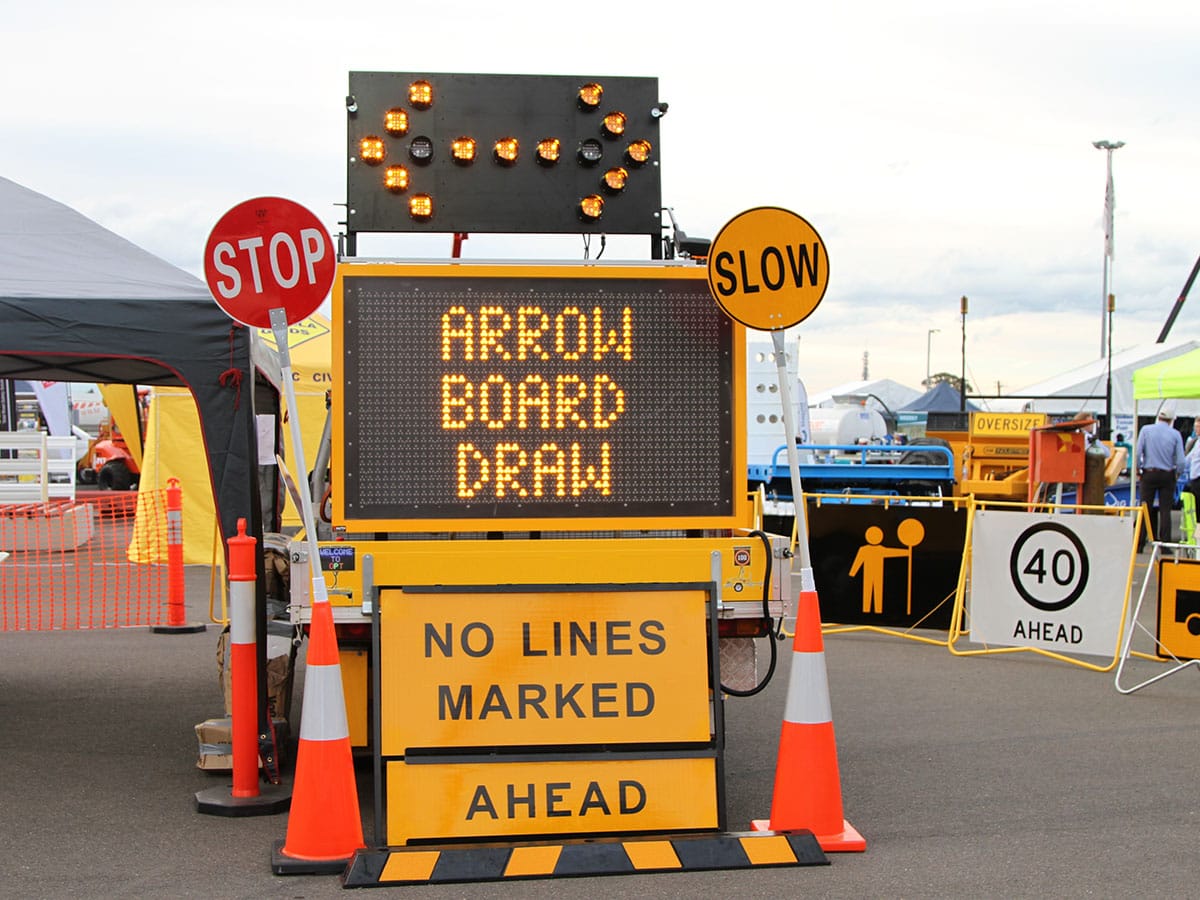
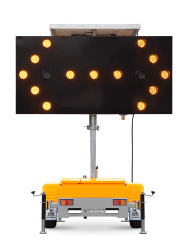
Exploring the Basics of Arrow Boards What Are Arrow Boards? Arrow boards are essential tools used in traffic management to provide clear and visible directional information to drivers. These boards typically consist of a series of lights arranged in arrow formations, which can be programmed to display various directional signals....
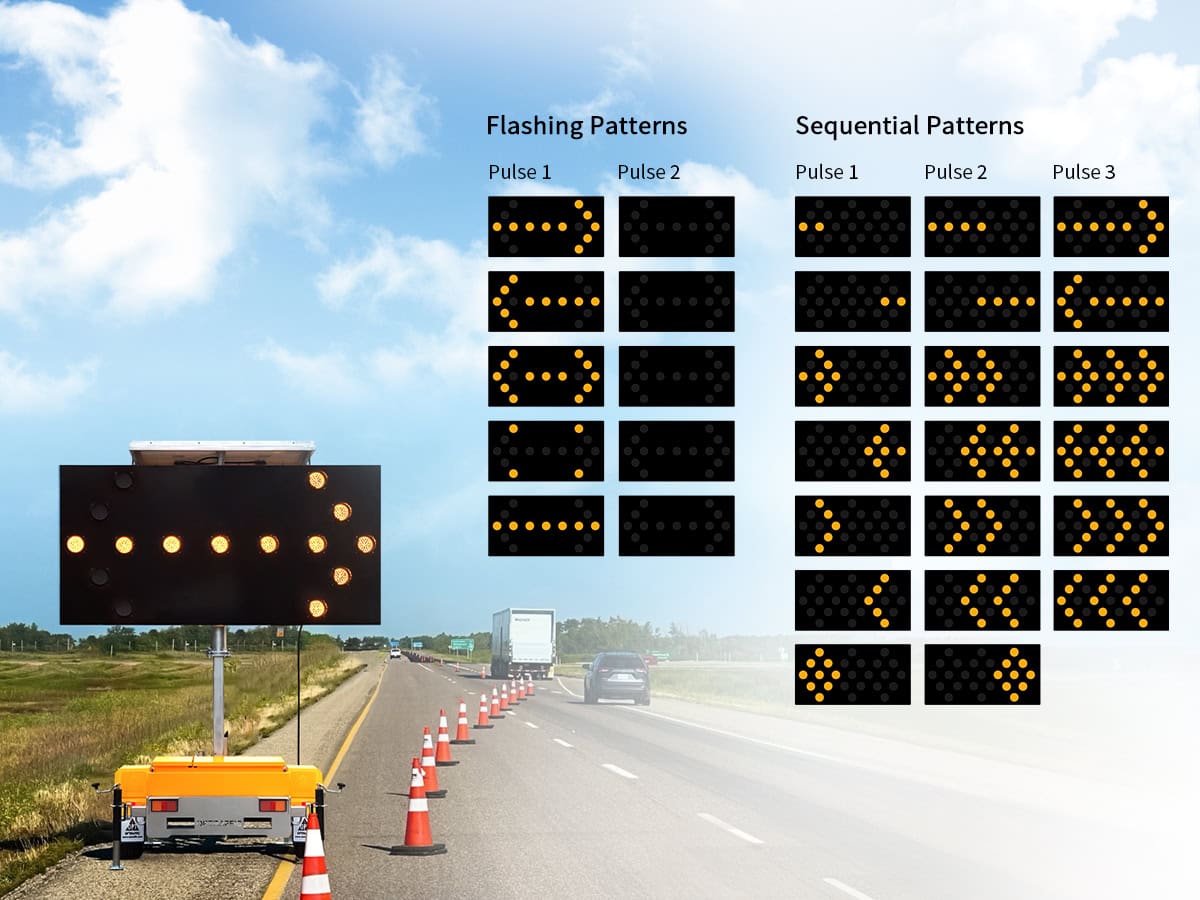
Introduction to Arrow Boards and Their Importance Arrow boards play a crucial role in ensuring road safety and efficient traffic management. Understanding their significance and operation is essential for anyone involved in roadway maintenance or construction projects. What Are Arrow Boards? Arrow boards are specialized traffic control devices used to guide motorists...

Introduction: The Importance of Arrow Boards in Traffic Management In the realm of traffic management, ensuring safety and smooth flow is paramount. Arrow boards play a pivotal role in this domain, serving as crucial tools for guiding motorists and pedestrians through various traffic scenarios. Setting the Scene: Why Traffic Control Matters Effective...

Understanding the Basics of Truck-mounted Arrow Boards Truck mounted arrow boards are essential tools for traffic management, especially in temporary work zones and convoys. These boards are equipped with bright LED lights that ensure high visibility and legibility from a considerable distance, making them crucial for guiding motorists through changing road conditions. What...
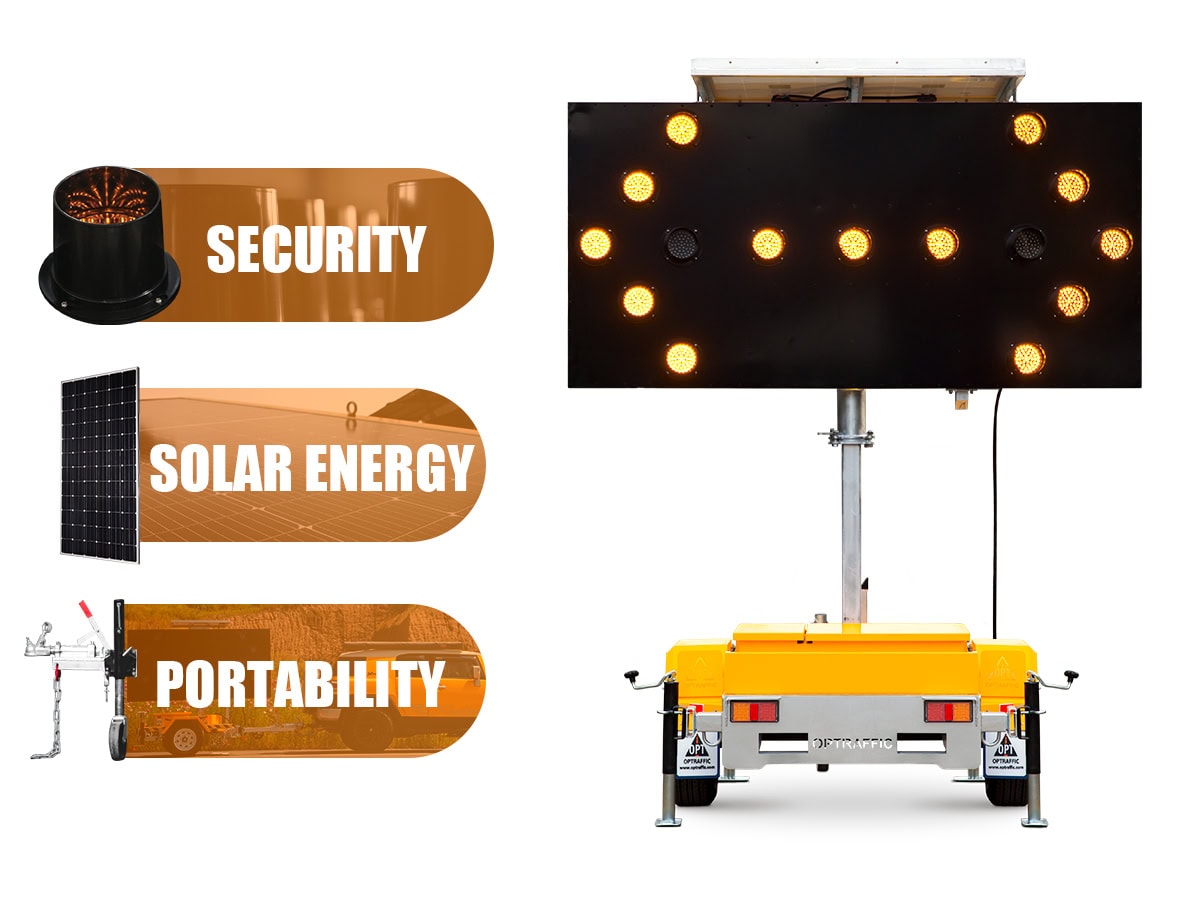
Introduction to Solar Arrow Board Trailers Solar arrow board trailers are an essential component of traffic control and work zone safety. These trailers, equipped with advanced technology, provide crucial directional information and advanced warnings around maintenance and construction zones. The solar arrow board trailer is entirely solar-powered, ensuring continuous operation even in...
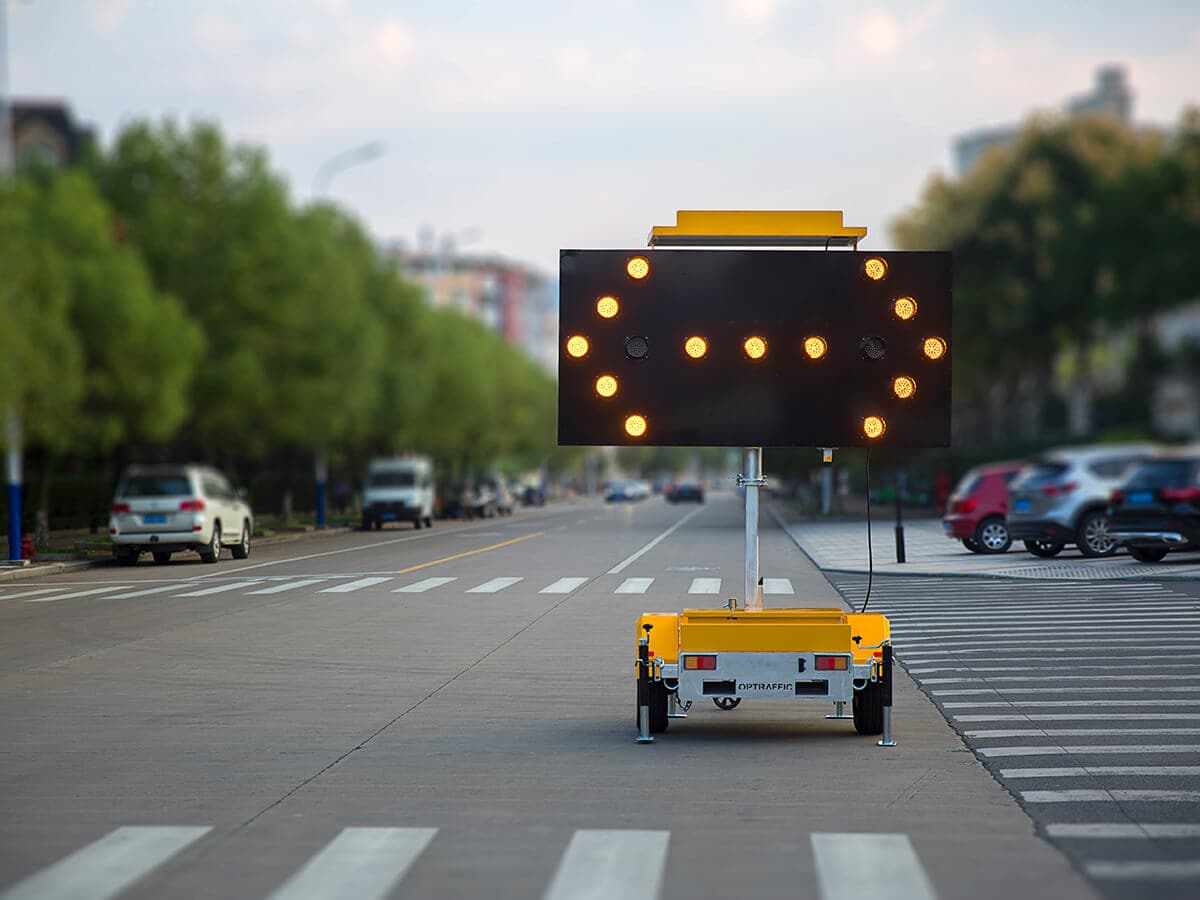
Starting Your Traffic Management Project Right The Importance of Effective Traffic Management Traffic management plays a crucial role in ensuring the safety and efficiency of our roads. By implementing effective traffic management strategies, we can minimize congestion, reduce the risk of accidents, and maintain smooth traffic flow. My first encounter...
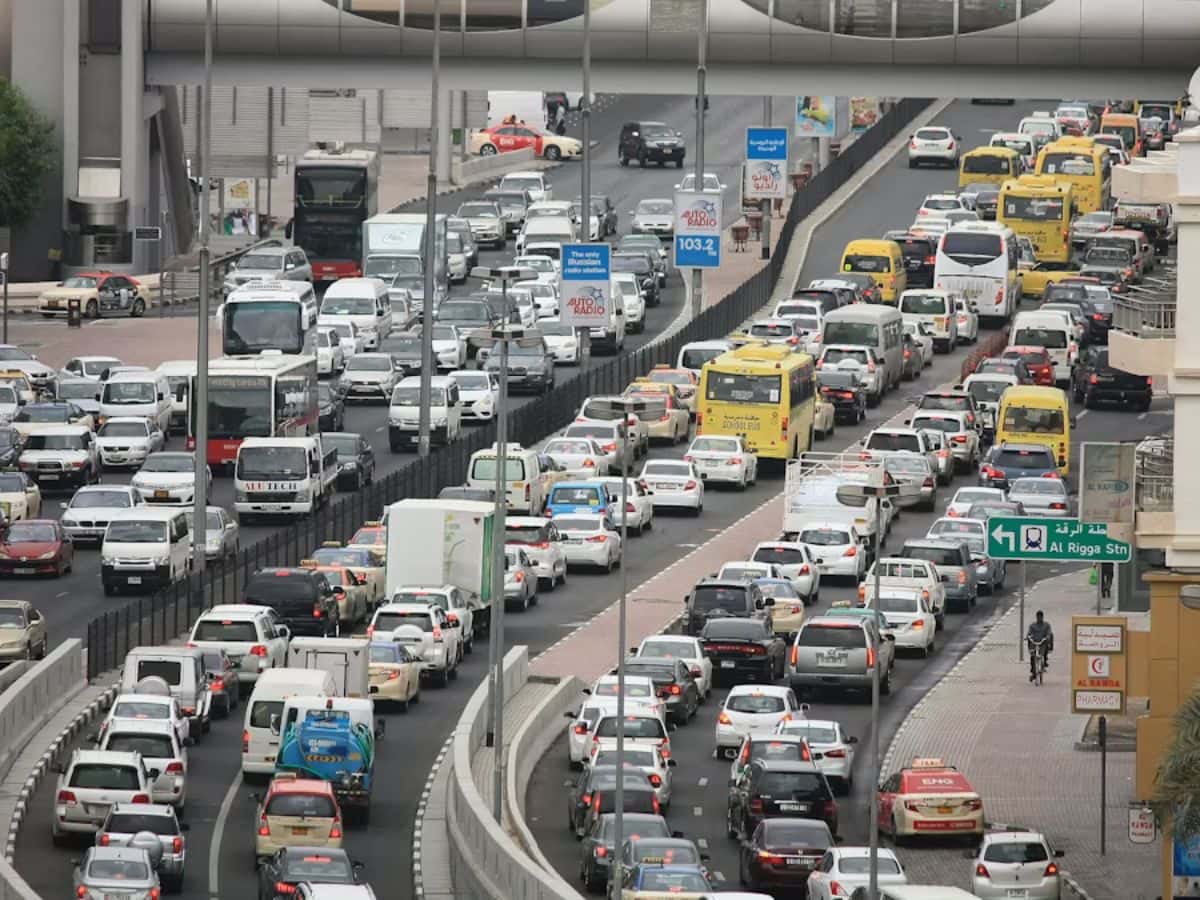
Introduction: A Personal Journey Through Traffic Woes My First Encounter with Traffic Chaos My first brush with the maddening world of traffic congestion was a memorable one. It was a scorching summer afternoon, and I found myself stuck in an endless line of vehicles on the highway. The air conditioning...
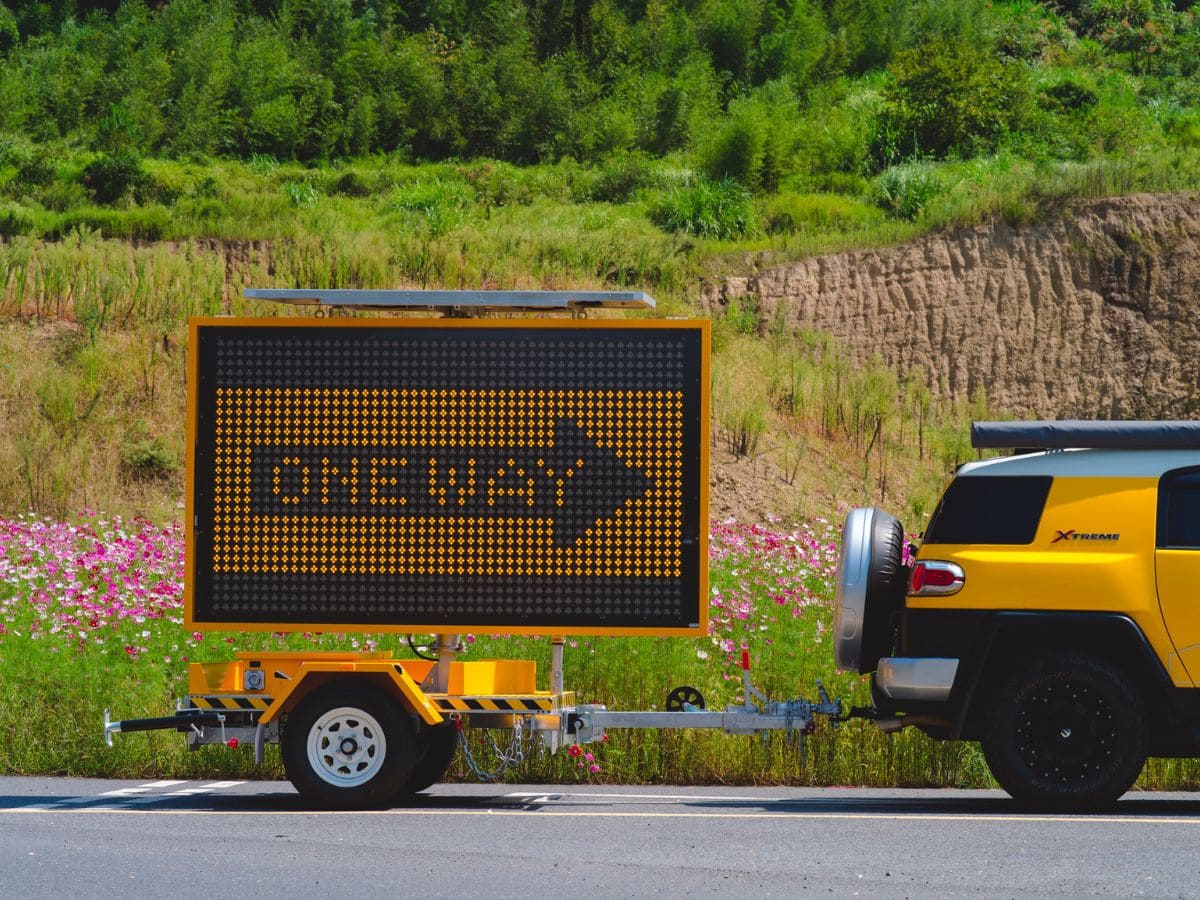
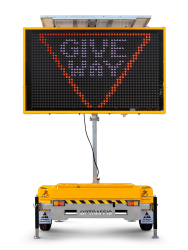
Introduction to Variable Message Signs and Public Safety Variable Message Signs (VMS) are a crucial component of modern public safety infrastructure. These electronic message boards are strategically placed in public areas to convey important information to the general population. VMS utilize cutting-edge technology to display a wide range of messages, including traffic updates, emergency alerts,...
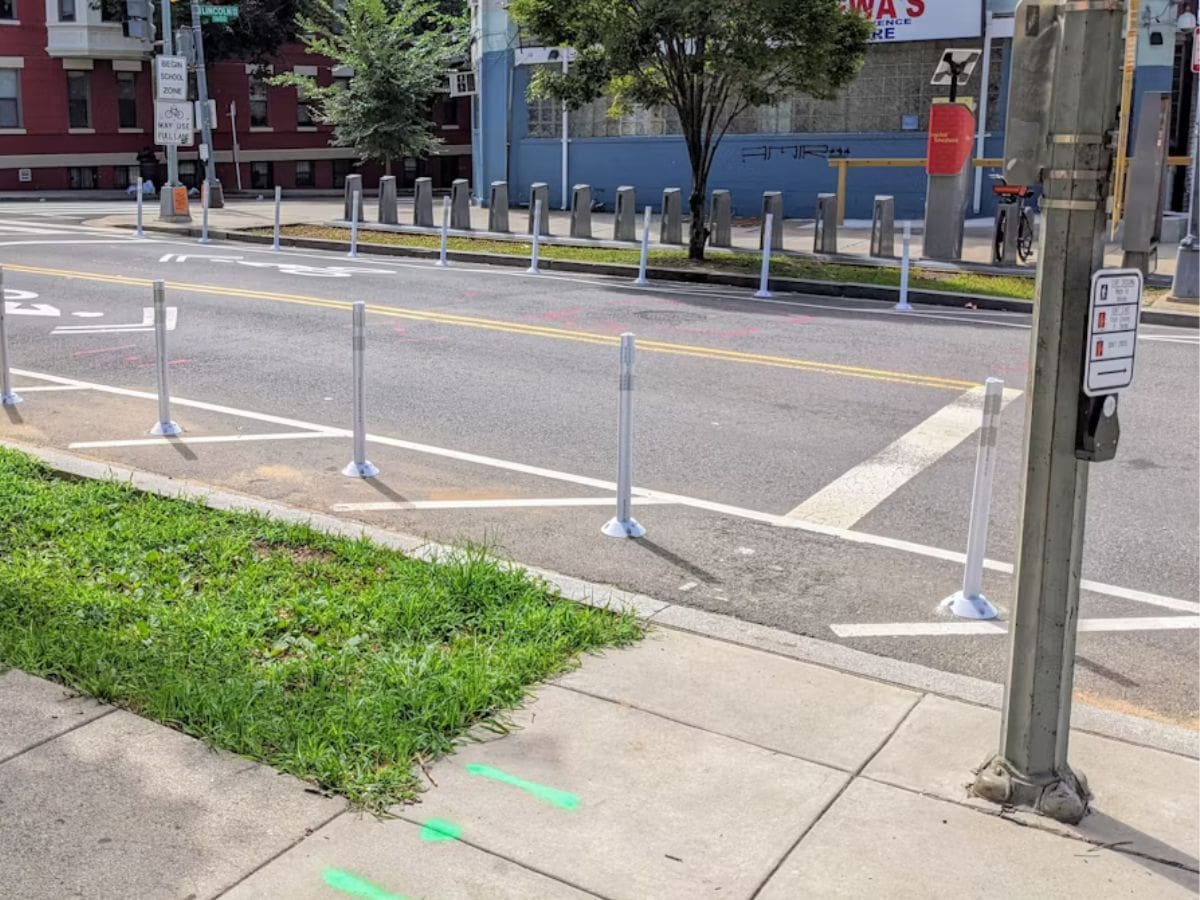
Understanding the Link Between Urban Planning and Traffic Safety Urban planning plays a crucial role in traffic management and overall traffic safety within cities and communities. By strategically designing roads and integrating public transportation systems, urban planners can significantly impact the frequency and severity of traffic accidents. The Role of Urban Planning in Traffic Management Designing Roads for...
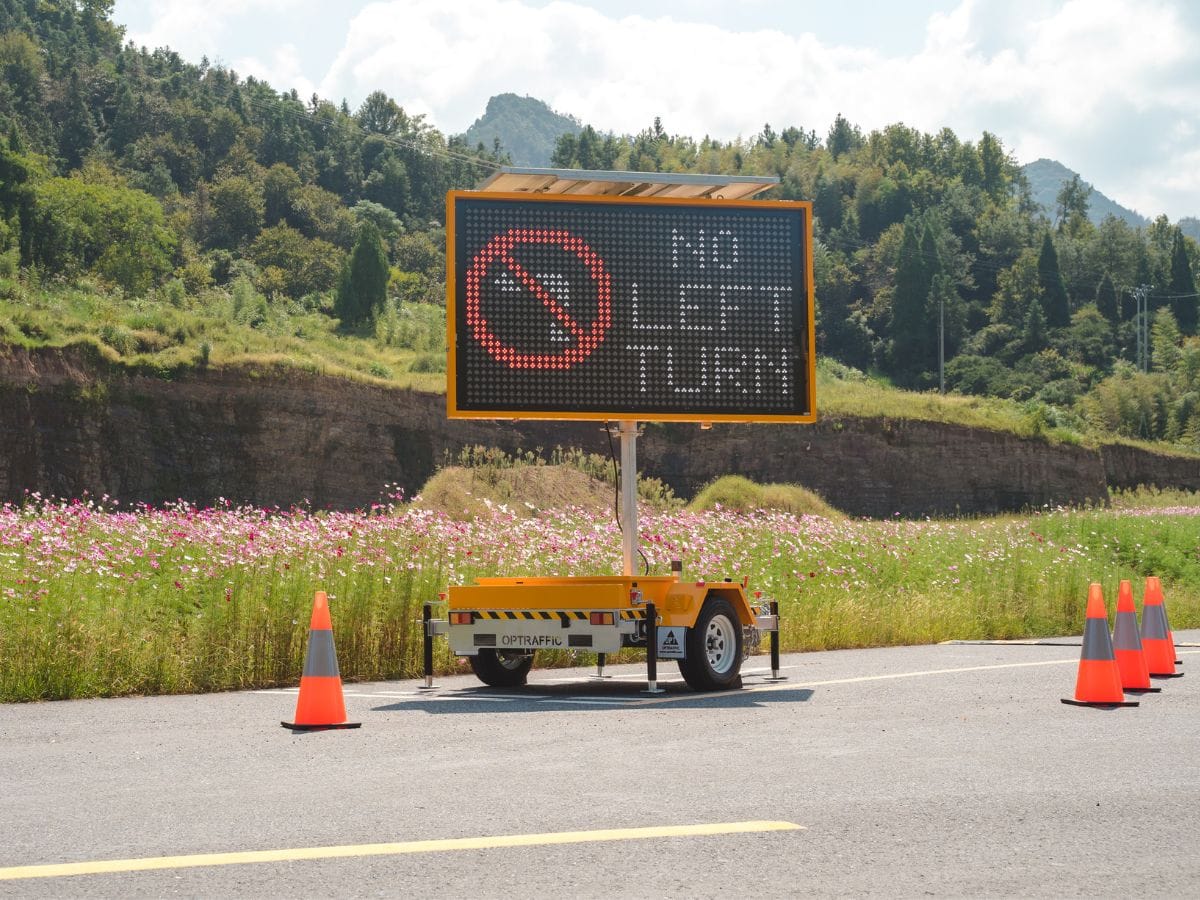
Understanding VMS and Their Importance VMS (Variable Message Signs) play a crucial role in modern traffic systems, providing real-time information to drivers and influencing their route choices. VMS are electronic signs used to convey information about traffic conditions, road closures, accidents, weather conditions, and other important messages to motorists. These signs are...
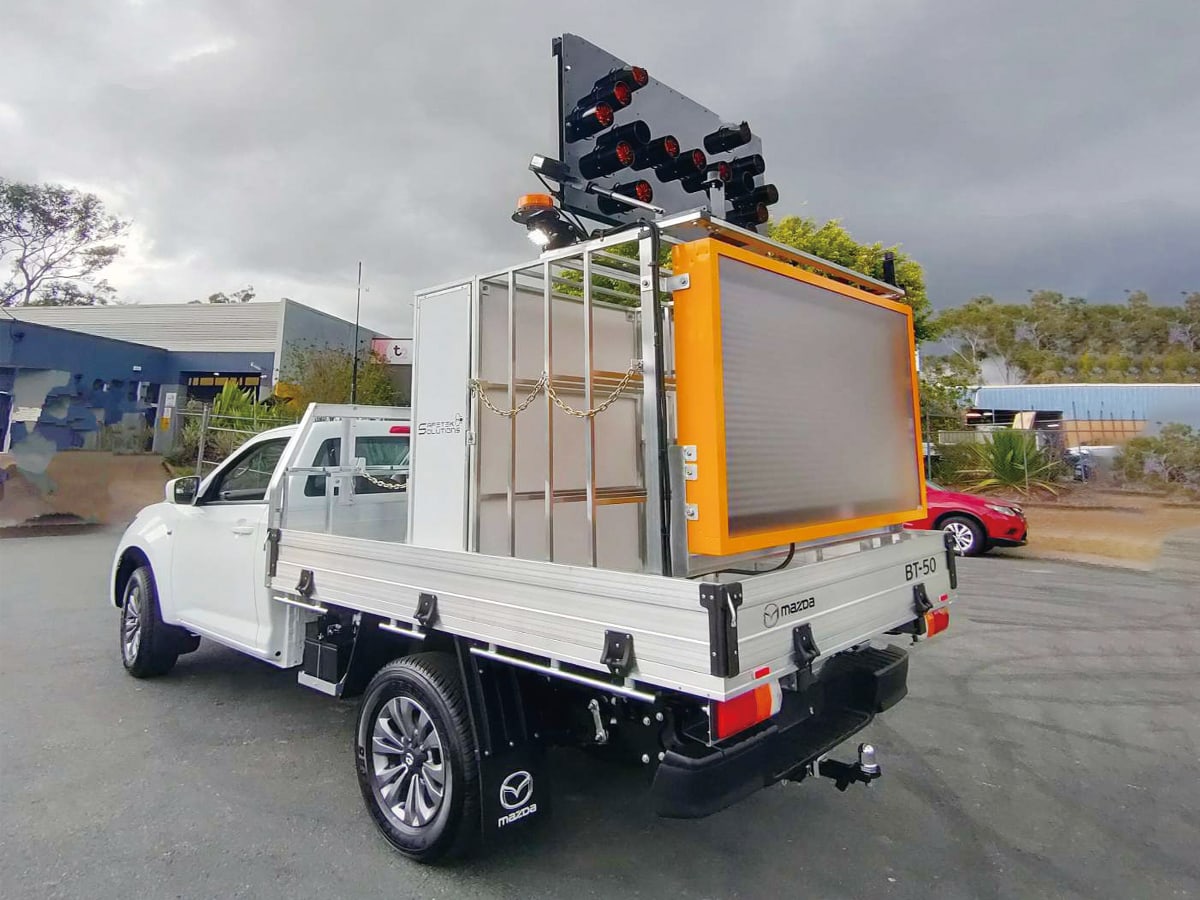
Introduction to Variable Message Signs and Their Role in Urban Planning Variable Message Signs (VMS) play a crucial role in modern urban planning, offering valuable functions that contribute to enhancing traffic management and improving public safety. Understanding the definition and basic functions of VMS, as well as their importance in...
Introduction to VMS and Traffic Congestion Traffic congestion is a common challenge that many urban areas face, leading to frustration, wasted time, and increased air pollution. Variable Message Signs (VMS) have emerged as a powerful tool in addressing this issue by providing real-time information to drivers. Understanding the challenges posed by traffic...
Introduction to Electronic Highway Message Boards Electronic highway message boards, also known as electronic signs or variable message signs, are a crucial part of modern road infrastructure. These digital displays are strategically placed along highways and roads to communicate important information to drivers in real time. The basics of electronic communication on the road involve displaying messages...

Understanding Variable Message Signs Variable Message Signs (VMS) are an integral part of modern traffic management systems, providing real-time information to motorists. These signs display a range of information, including traffic conditions, road closures, weather alerts, and safety messages. The purpose of VMS is to enhance road safety and improve traffic flow by guiding...
Introduction to Traffic Sign Technology The Evolution of Roadside Signage The history of traffic signs dates back to the development of pictorial signs in Europe, which played a crucial role in overcoming language barriers and enhancing traffic safety. This evolution marked a significant shift from text-based signage to universally understandable...
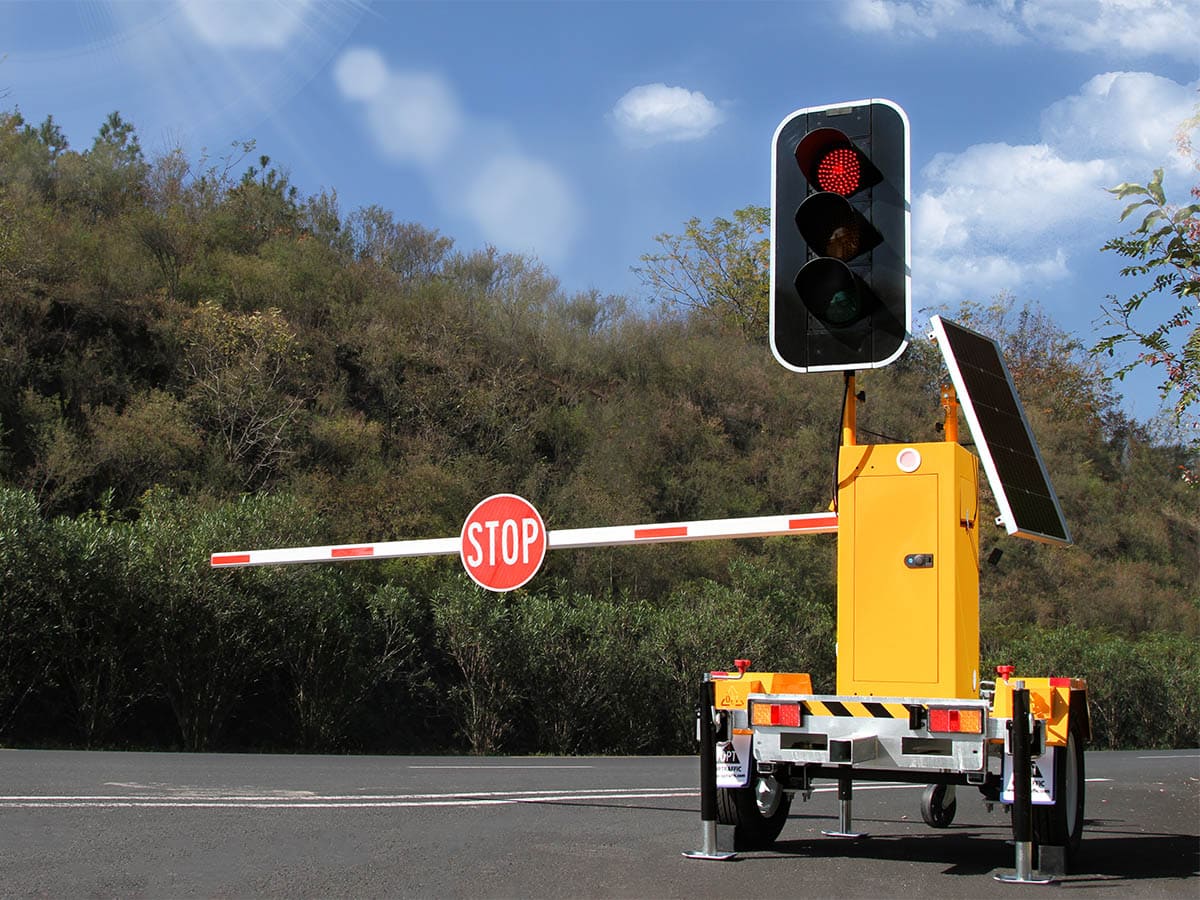
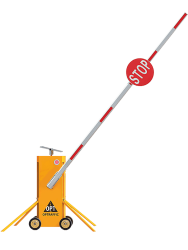
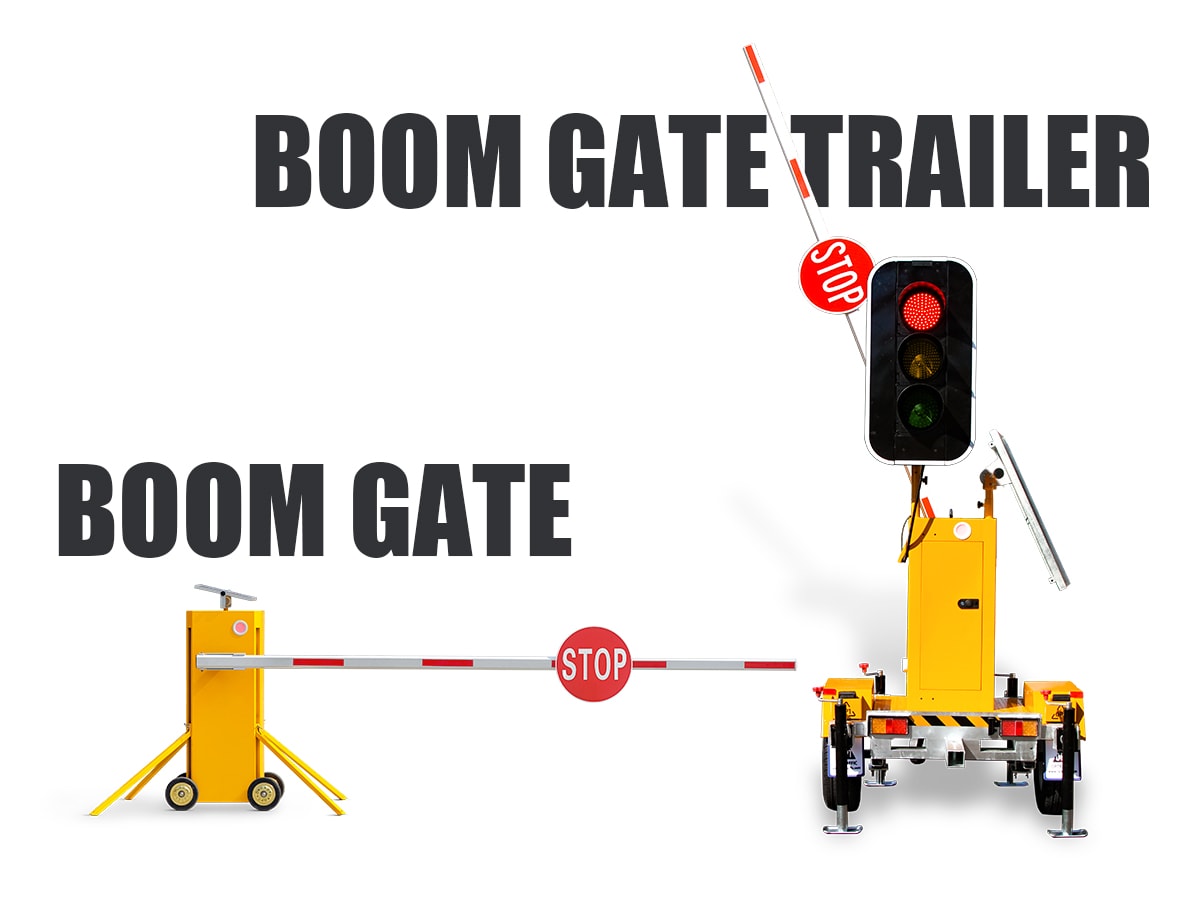
Understanding Boom Gates and How They Work Boom gates, also known as boom barriers, are an essential component of access control systems, serving as the first checkpoint to regulate vehicular traffic. These barriers offer flexibility in shapes and sizes, making them suitable for various applications. Integrated with RFID tags and biometric systems, boom gates enhance...
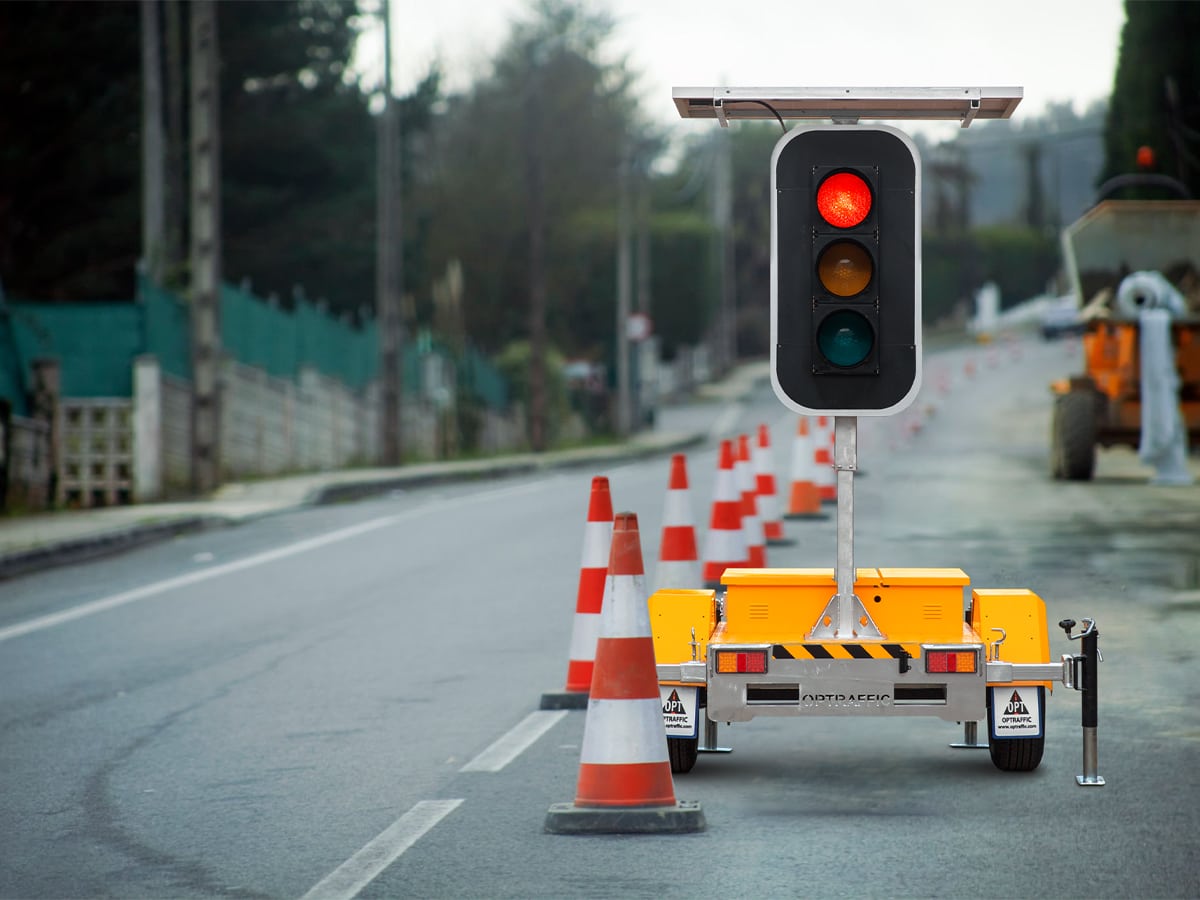
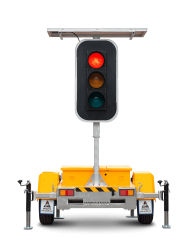
Introduction to Portable Traffic Signals Portable traffic signals have emerged as a revolutionary solution for efficient traffic management, offering a flexible and cost-effective alternative to traditional signals. These innovative systems are designed to provide seamless control of vehicular and pedestrian movement, catering to the dynamic needs of modern road infrastructure....
.jpg)
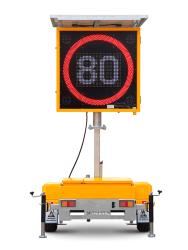
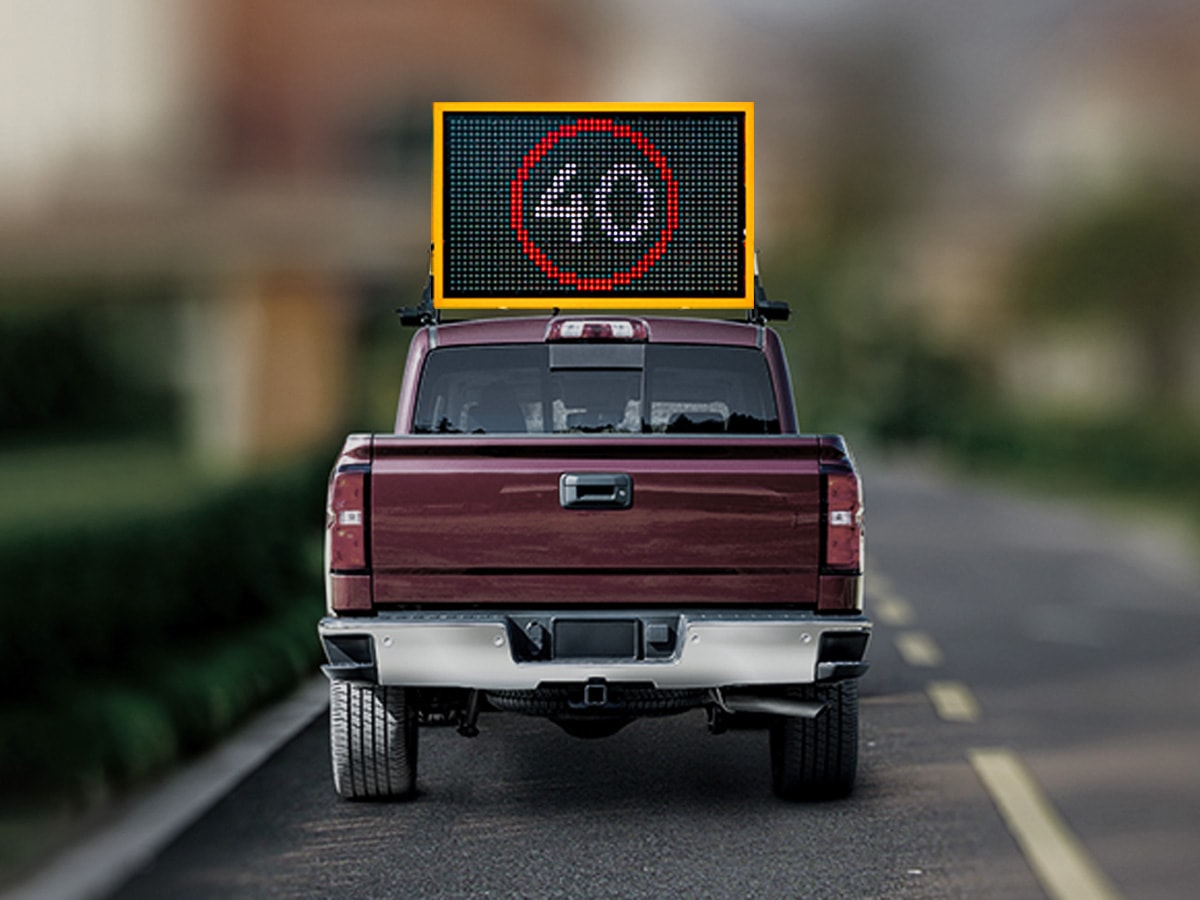
What Are VSLS (Variable Speed Limit Signs) VSLS (Variable Speed Limit Signs) are traffic control devices that display speed limit information to the driver on an LED screen, usually in two types: fixed and mobile. Unlike traditional static speed limit signs, VSLS are flexible and intelligent, and the speed information can...

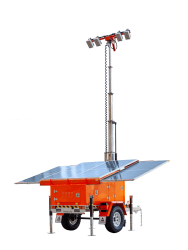
What Is a Light Tower In the early 1990s, it was normal for workers to work in dim light. However, with the development and progress of science and technology, and the improvement of internal combustion engines in the early and mid-20th century, light towers were invented. Light tower is a tall device equipped...
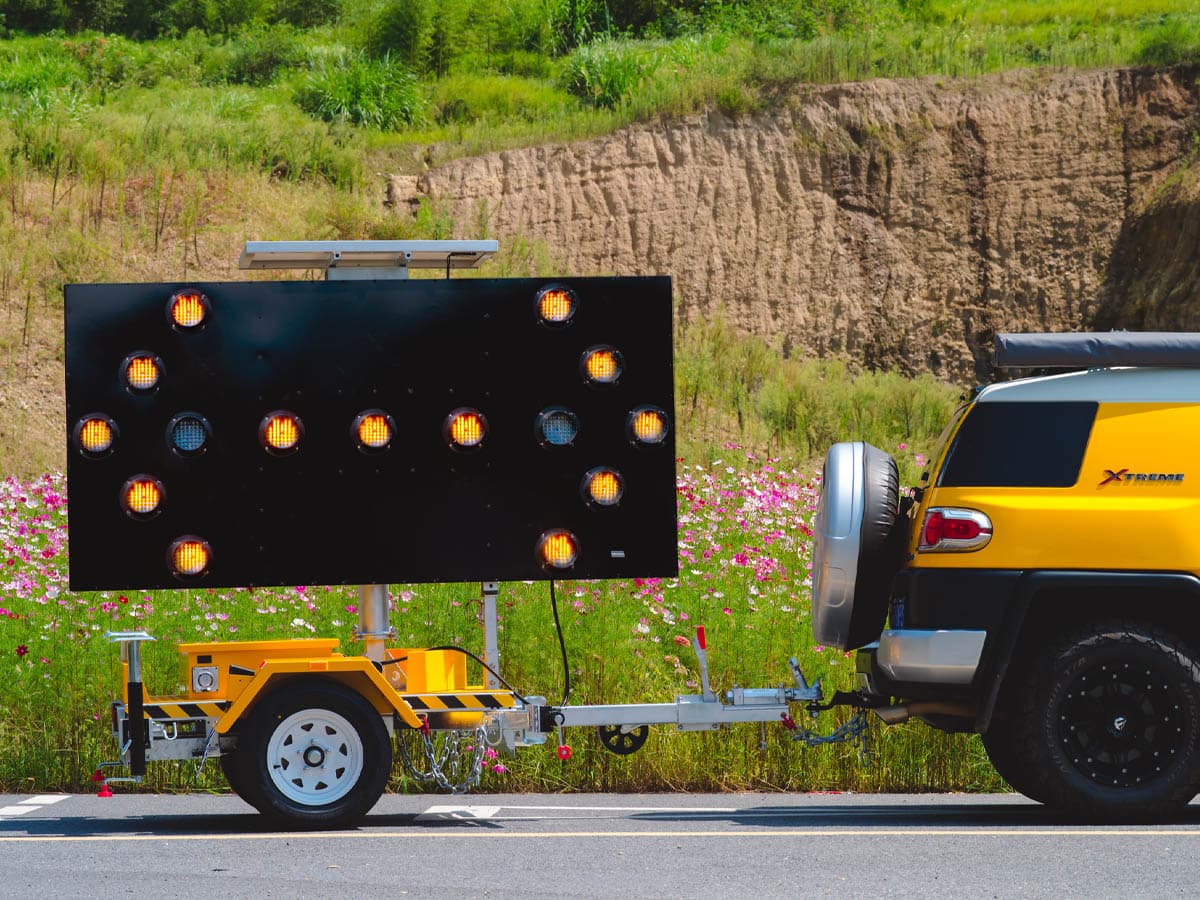
What Is an Arrow Board? Arrow board is a traffic control device used to guide drivers and pedestrians by indicating the direction they should go. Typically consisting of a large, illuminated, and high-visibility LED panel mounted on a trailer or vehicle, it displays arrow symbols pointing in specific directions such as left, right,...
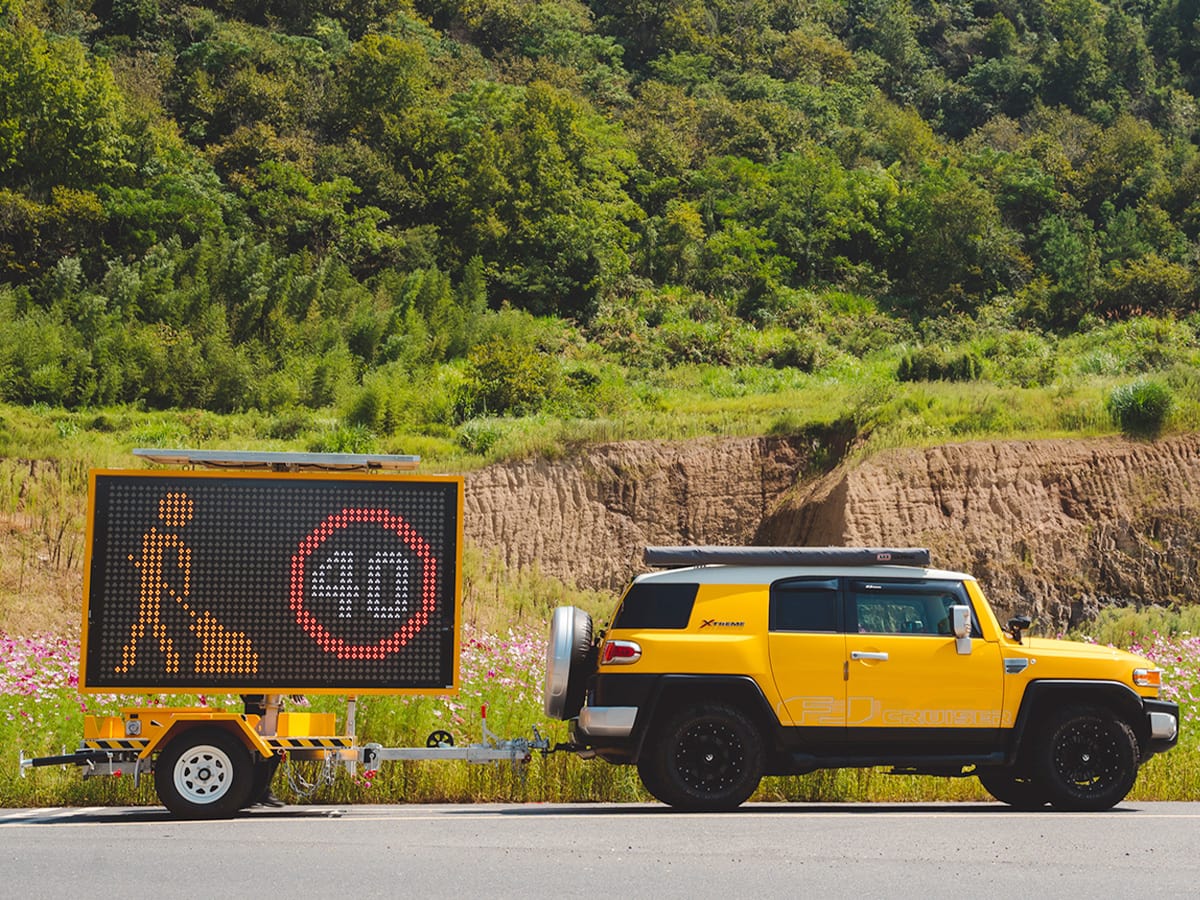
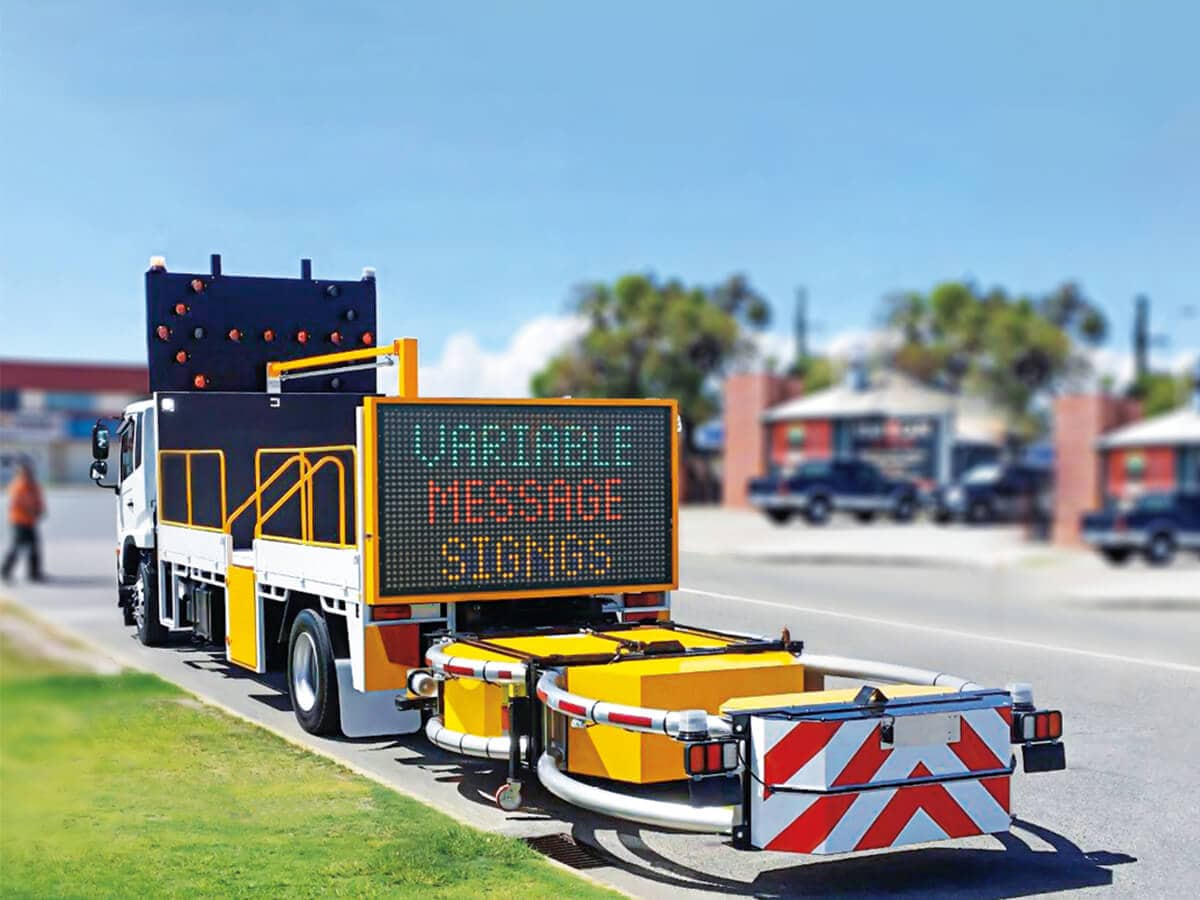
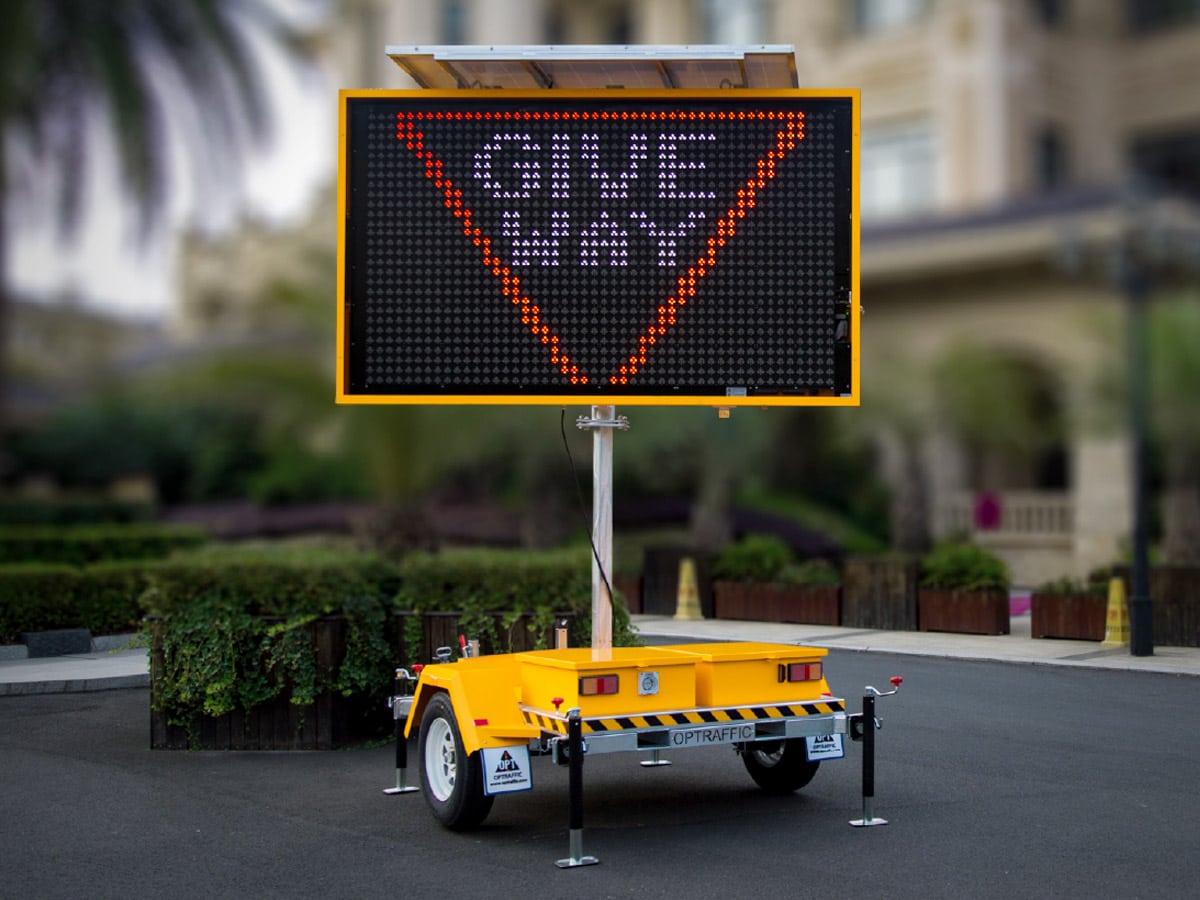
What Is a Safety VMS? Have you ever seen such signs on highways? Large LED screens display various traffic instructions and warnings like “Slow down”, “Stop”, “Speed limit 60”, and more. Electronic LED tools like these used to display information about special events are called variable message signs. VMS is...