


Understanding Electronic Highway Message Boards Regulations

Key Takeaways
- Electronic highway message boards communicate real-time information to drivers, including traffic conditions, accidents, weather alerts, construction zones, and emergency notices.
- The MUTCD’s 11th Edition recommends against humor, pop culture references, or obscure phrasing on these boards — not an outright ban, but guidance states must implement by January 18, 2026.
- Electronic highway message boards must comply with federal safety standards under the FHWA’s Manual on Uniform Traffic Control Devices (MUTCD), which governs message content, timing, and legibility.
- Messages are designed to be simple, direct, and quickly understood, since unclear or distracting content on a road message board can increase driver confusion rather than improve safety.
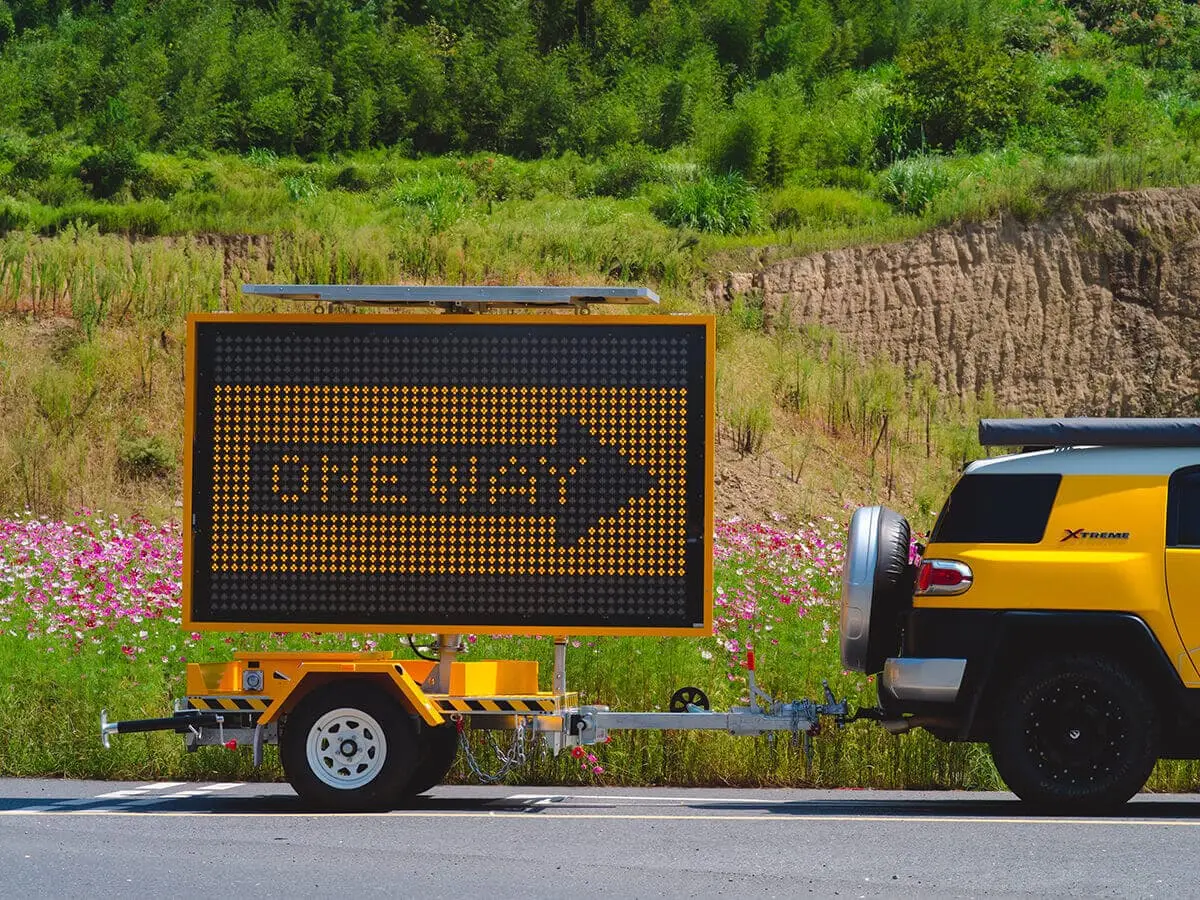
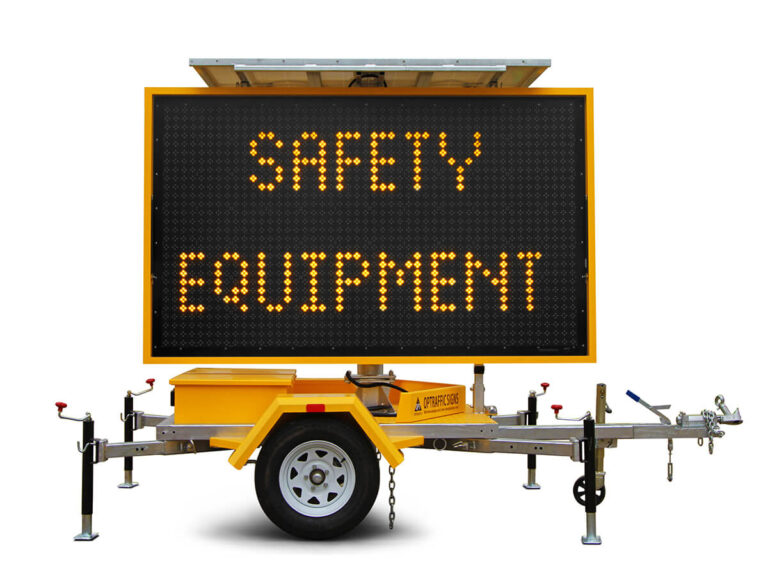
- These signs are also known as traffic message boards, highway message boards, dynamic message signs (DMS), and portable changeable message signs (PCMS), depending on whether they are permanently installed or portable.
Introduction to Electronic Highway Message Boards
Electronic highway message boards, also known as electronic signs or variable message signs, are a crucial part of modern road infrastructure. These digital displays are strategically placed along highways and roads to communicate important information to drivers in real time. The basics of electronic communication on the road involve displaying messages about traffic conditions, weather updates, construction zones, and emergency alerts. These dynamic signs have revolutionized the way transportation departments can interact with motorists.
The messages communicated through these boards are diverse and impactful. They can range from simple instructions like “Buckle Up” and “Drive Safely” to more critical alerts such as “Accident Ahead – Expect Delays” or “Severe Weather Warning.” The ability to quickly convey essential information is invaluable for ensuring the safety and efficiency of our roadways.
Understanding the significance of electronic highway message boards is essential for all drivers. From a safety-first perspective, these digital displays play a vital role in keeping motorists informed about potential hazards and providing guidance during emergencies. Real-life stories from the road further emphasize their importance, demonstrating how timely messages can prevent accidents and save lives.
The Role of Electronic Message Boards in Highway Safety
Electronic message boards serve as vital tools for communicating critical information to drivers on highways. These dynamic signs play a crucial role in alerting motorists about accidents and slowdowns, providing real-time updates on weather conditions, and offering essential traffic information. By promptly conveying these messages, electronic highway message boards contribute significantly to enhancing road safety and minimizing potential hazards.
The ability of digital message boards to capture our attention is rooted in their strategic placement and eye-catching visual cues. These boards are strategically positioned along highways to ensure maximum visibility, using bright colors and bold fonts to attract the attention of drivers. The effectiveness of these visual cues in influencing driving behavior cannot be overstated. Studies have shown that well-designed digital displays can effectively convey important information to drivers, prompting them to adjust their driving behavior according to the displayed messages.
In essence, electronic highway message boards are not just static signs; they are dynamic communication tools that actively engage with motorists on the road. Their role in ensuring highway safety goes beyond mere information dissemination; they actively influence driver behavior and contribute to creating a safer driving environment.
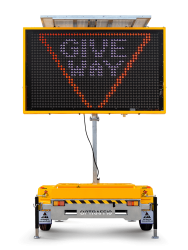
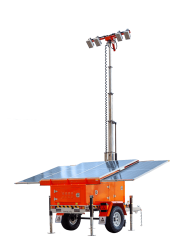
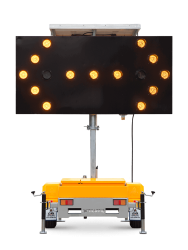
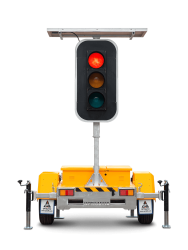
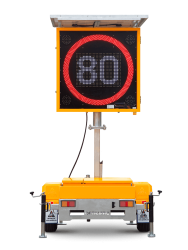
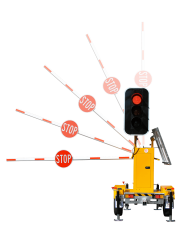
Traffic message boards, MUTCD-ready
Wholesale traffic message boards from Optraffic, built to meet federal compliance standards for buyers in the US, UK, and AU

Understanding the Regulations
The Federal Highway Administration (FHWA) holds a definitive stance on the regulations governing electronic highway message boards. One of the most significant directives is the establishment of a 2026 deadline for changes to ensure that all electronic message boards comply with updated standards and technology requirements. This deadline underscores the commitment to enhancing the effectiveness and safety impact of these vital communication tools.
In line with ensuring clear and concise messaging, the FHWA prohibits the inclusion of humor and cultural references in messages displayed on electronic highway message boards. This restriction aims to maintain a focus on delivering essential information without diluting its significance through unrelated content. By adhering to these guidelines, transportation departments can effectively utilize electronic message boards to prioritize safety and critical communication.
State responses to these regulations vary, with many jurisdictions focusing on strategies to balance safety messages with engaging content. The challenge lies in maintaining a strong emphasis on safety while also capturing drivers’ attention through compelling messaging. Innovations in electronic highway communication play a pivotal role in addressing this balance, as advancements in display technology allow for more visually appealing and impactful messages that resonate with motorists.
How These Changes Affect Us
As we look ahead, the future of highway communication is undergoing a significant transformation due to the evolving regulations surrounding electronic message boards. Personal opinions on the potential loss of quirky messages are varied, with some expressing nostalgia for the lighthearted and humorous content that used to grace these digital displays. However, it’s essential to recognize that the primary focus should always be on keeping drivers informed and safe. While entertaining messages may have their charm, ensuring that critical safety information takes precedence is paramount.
Engaging with electronic message boards presents an opportunity for all of us to contribute to safer highways. By staying attentive to the messages displayed and promptly adhering to any safety instructions or alerts, drivers play an active role in maintaining road safety. Additionally, encouraging awareness and compliance among fellow drivers can further enhance the overall effectiveness of electronic highway message boards in promoting safe driving practices.
FAQ
What do electronic highway message boards communicate?
Electronic highway message boards communicate real-time information drivers need to make immediate decisions on the road — traffic conditions, accident locations, weather hazards, construction zone alerts, detours, and public safety campaigns such as seatbelt or impaired-driving reminders.
Are humorous messages banned on electronic highway signs?
Not officially. The MUTCD’s 11th Edition recommends against humor, pop culture references, and obscure phrasing on changeable message signs because they can confuse or distract drivers, but the FHWA has clarified this is guidance rather than a strict prohibition. States must complete MUTCD 11th Edition compliance by January 18, 2026.
Do electronic message boards comply with safety standards?
Yes. In the US, electronic highway message boards must comply with the FHWA’s Manual on Uniform Traffic Control Devices (MUTCD), which sets standards for message content, display timing, and legibility to ensure signs are understood quickly and consistently by drivers.
What’s the difference between a digital road sign and a traffic message board?
These terms largely describe the same category of equipment. “Digital road sign” and “electronic traffic sign” are general terms, while “traffic message board” and “dynamic message sign” more specifically refer to boards capable of displaying changeable, multi-line text messages.
What is a road message board also called?
A road message board is also called an electronic highway message board, traffic message board, dynamic message sign (DMS), variable message sign (VMS), or portable changeable message sign (PCMS) when mounted on a trailer for temporary deployment.
Facebook
Twitter
LinkedIn
Email
Newsletter
Subscribe to our Newsletter & Event right now to be updated.
Latest Posts



Latest Posts
Lighting First or Recording First? CCTV-Ready Light Tower vs Camera Trailer for Integrators and Hire Fleets
CCTV-ready light tower vs camera trailer: compare whose camera runs, which load gets night power, and how hire fleets use one unit for two jobs.
2026-10-09
VMS Trailers for Renewable Energy Zone Construction: Oversize Deliveries, Detours and Community Notice
How VMS trailers support renewable energy zone construction: oversize delivery warnings, detours, night moves and community notice on REZ routes.
2026-10-08
Imported vs Australian-Built VMS Trailers: Where Each Has the Edge
Imported vs Australian-built VMS trailers: where each has a real advantage, what compliance requires of both, and how to choose for your fleet.
2026-10-07
What Should a VMS Trailer Quote Include in Australia? Line Items to Compare Before You Sign
What should a VMS trailer quote include? Ten line items to compare, from delivery and registration to software fees, warranty and local spare parts.
2026-10-06
When to Order VMS Trailers for Bushfire Season: A Region-by-Region Guide for Australian Hire Fleets
When to order VMS trailers for bushfire season: a region-by-region guide for hire fleets, with order-by months, stock top-ups and pre-season checks.
2026-10-05
What Makes a VMS Trailer Mine-Spec? Site Entry Requirements for Western Australian Mine Sites
Mine-spec VMS trailer requirements under WA’s 2026 mine traffic code: visibility, ID, isolation, documents and how to order a unit that passes site entry.
2026-10-02