WZDx Device Feed Requirements: What Work Zone Contractors and Hire Fleets Must Supply
A smart work zone contract can now fail on data, not hardware. Some DOT specifications ask the contractor to send live device data in a set format. That format is the Work Zone Data Exchange, or WZDx. This guide explains WZDx device feed requirements for contractors and hire fleets. It covers what the feed holds and what states ask for. It also shows how to prepare VMS signs and other connected devices.
Data clauses now reach everyday traffic safety work, from lane closures to night maintenance. Hire fleets meet them on routine jobs, not just pilot projects.
Data links are not new to Optraffic. The Optraffic R&D team has already connected message boards to a third-party traffic platform. The IKEA Auckland integration case shows how that project ran.
Key Takeaways
In-house R&D integration: Connected 35 message boards to a third-party traffic platform in two to three weeks.
Project-based assessment: Reviews each data format request, including WZDx, before setting any development timeline.
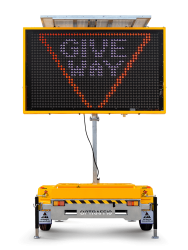
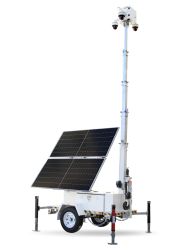
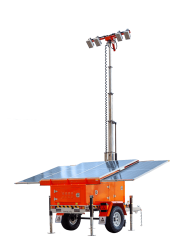
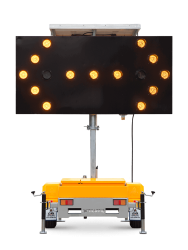
One fleet platform: Tracks location and status for message boards, arrow boards, light towers and camera towers.
Radar speed data logging: Records approaching vehicle speeds on radar speed signs connected to the fleet platform.
Field-proven LED modules: Keep connected message boards readable through long contract periods with low maintenance.
What Is WZDx and Who Uses It
What is WZDx? It is a US DOT specification for sharing work zone data in one consistent format.
Current version: The US DOT WZDx page describes v4.2 as current.
Standardisation: ITE now leads development into a formal standard, working with AASHTO, NEMA and SAE.
Work Zone Feed: Describes the work zone itself, such as lane closures and dates.
Device Feed: Describes the field devices inside the work zone and their current state.
Users: Infrastructure owners publish the feeds. Navigation apps and vehicle makers use them.
WZDx Requirements for Contractors in State Specifications
WZDx requirements for contractors vary by state. Two examples show the range.
State
What the specification asks
Who supplies the feed
Colorado
A smart work zone device data feed per the FHWA WZDx Device Feed specification, plus a sample feed during a 5-day operational test
The contractor, who may use a vendor
Iowa
Smart arrow boards that report location, arrow pattern and deployed status
Iowa DOT builds the WZDx feed from the arrow board data
Colorado: The CDOT Section 630 specification asks the contractor to archive message display history. The contractor answers for inaccurate data, with corrections due within one hour of notice.
Iowa: The Iowa DOT has required smart arrow boards on its projects since 2022. Its ATMS combines the arrow board data with other work zone information. It then publishes a verified WZDx feed.
The difference: In Colorado, the contractor delivers the feed. In Iowa, the contractor delivers devices that report, and the DOT builds the feed.
Preparing a Fleet for a WZDx Device Feed
Preparing a fleet for a WZDx device feed starts with an audit, not a purchase. Run these steps before you bid:
Read the data clause. Check whether you deliver a feed or only device data.
List connected devices. Note which units report location and status remotely.
Check GPS. The has_automatic_location field favours devices with onboard GPS.
Check status reporting. Confirm each device reports faults, not just on or off.
Ask who builds the output. The supplier, an integrator or the DOT may build the WZDx format.
Set a timeline. Allow time for development and the operational test.
Building a Smart Work Zone Data Feed With Your Supplier
A smart work zone data feed specification rarely matches a supplier’s software out of the box. Most fleets need some development work. Ask suppliers three questions:
Has the supplier connected its devices to an outside platform before?
Does one platform already hold location and status for every device type?
How long would a new data output take after the specification is shared?
Platform Integration Experience for Smart Work Zone Data Feeds
IKEA Auckland, December 2025: The store opening traffic plan ran on Mooven, a third-party traffic platform.
What the Optraffic R&D team did: Opened an interface so 35 Optraffic message boards took commands from Mooven.
Timeline: Two to three weeks.
Fleet impact: The hire company used boards it already owned.
WZDx today: The Optraffic Web System does not output a WZDx feed. No WZDx development has started.
Next projects: The Mooven work gives an API foundation. The R&D team assesses each new data request project by project.
One platform: The Web System tracks location and status for message boards, arrow boards, light towers and camera towers. Optraffic radar speed signs also log approaching vehicle speeds there.
Reliable Devices Keep a Smart Work Zone Data Feed Accurate
LED reliability: A dark or faulty board breaks the data chain. Field-proven LED modules keep message boards readable with low maintenance.
Factory-direct supply: Optraffic builds its range in its China factory. Fleets avoid trading-company markups when adding connected units.
Software cost: Optraffic supplies the Web System with the hardware, with no software subscription.
Smart Work Zone Data Feed Support in North America
United States: Advanced Government Services (AGS) in Tacoma, Washington, supplies Optraffic message boards, arrow boards and light towers.
Canada: ATS Traffic carries Optraffic equipment in Western Canada.
Data projects: Contact the Optraffic team to discuss a feed requirement for your project.
Conclusion
WZDx device feed requirements turn work zone devices into data sources. Colorado asks contractors for the feed itself. Iowa asks for devices that report, then builds the feed. Either way, connected devices with GPS and status reporting give a fleet the best starting point.
The Optraffic team supports that preparation in three ways:
Integration: The R&D team assesses new data links project by project.
One platform: Every connected device reports through one login.
Preparing for a contract with a WZDx clause? Contact the Optraffic team with the specification and your device list.
FAQ
What is WZDx?
WZDx is the Work Zone Data Exchange, a US DOT data specification. It lets agencies share work zone and device data in one format. Knowing what is WZDx helps contractors read new smart work zone clauses.
What are the required WZDx device feed fields?
The five required WZDx device feed fields are device type, data source, device status, update date and automatic location. Optional fields add road names, milepost, make and model.
Is there a WZDx certification for devices?
No. WZDx is a data format, not a certification. A device or its platform either outputs data in the WZDx format or does not.
Do contractors have to build the WZDx feed themselves?
It depends on the state. WZDx requirements for contractors in Colorado include supplying the feed. In Iowa, the DOT builds the feed from contractor arrow board data.
Where can North American fleets source Optraffic equipment for a smart work zone data feed?
Optraffic supplies US and Canadian fleets. Local support comes through distributors such as AGS in Washington State. Contact the Optraffic team to discuss a smart work zone data feed specification.