
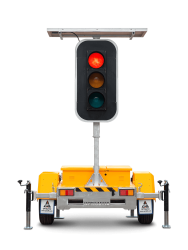
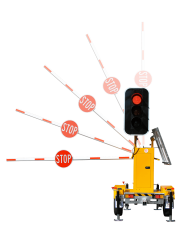



Tire age plays a critical role in the safety of any traffic light trailer. Even tires that appear undamaged may hide weaknesses from years of use. Regular inspection helps reveal these issues early. Aged tires often contribute to more frequent incidents, despite their average lifespan reaching 123,000 miles. The table below highlights how tire-related service calls occur every 74,000 miles, showing the importance of ongoing inspections and timely replacement for every trailer.
| Metric | Value | Notes |
|---|---|---|
| Average mileage to take-off | 123,000 miles | Trailer tire average lifespan |
| Frequency of tire-related calls | 1 call/74,000 miles | Higher frequency for trailers than tractors |
| Main causes of tire service calls | Road hazards/impact breaks, under-inflation due to punctures | Primary reasons for incidents |
What Does Tire Age Mean?
Definition of tire age
Tire age refers to the time that has passed since a tire left the manufacturing plant. For every trailer, including a traffic light trailer, this age matters more than many operators realize. Even if a tire appears to have good tread depth, the rubber and internal components can degrade over time. This process, known as tire aging, happens whether the tire is in use or stored. The industry defines tire age by the date of manufacture, which is stamped on the sidewall as the DOT Date Code. No federal law sets a maximum age for commercial trailer tires, but manufacturers and safety experts agree that tires should be replaced between six and ten years after their manufacture date. This guideline helps prevent risks such as blowouts, tread separation, and loss of control, which can lead to accidents or downtime for a traffic light trailer.
Note: Rubber degradation can occur even when a tire is not in use. Regular inspections help identify signs of aging before they become a safety risk.
How to find tire manufacture date
Every tire on a trailer, including those on a trailer mounted traffic lights system, has a DOT code on its sidewall. This code starts with the letters “DOT” and ends with a four-digit number for tires made after 2000. The first two digits show the week of manufacture, and the last two digits show the year. For example, a code of “1319” means the tire was made in the 13th week of 2019. This information acts as the tire’s “birth certificate” and is essential for determining when to replace the tire. For tires made before 2000, the code uses three digits, which can make the year less clear. Operators should always check the DOT code during inspections to ensure the tire is not too old for safe use.
| DOT Code Example | Meaning |
|---|---|
| 1319 | 13th week of 2019 |
| 5109 | 51st week of 2009 |
Tip: Always check both sides of the tire, as the full DOT code may only appear on one sidewall.
General industry guidelines
Industry guidelines for tire replacement focus on safety and reliability for every trailer, including a portable traffic signal trailer. The following points summarize the main recommendations:
- Replace trailer tires every 5 to 7 years from the manufacture date, even if the tread depth looks good.
- Outdoor exposure, such as sunlight and heat, can shorten tire lifespan.
- Many tire shops will not service tires older than six years.
- Always check the manufacture date on the tire sidewall during regular inspections.
- Tires older than six years carry a higher risk of tread separation, blowouts, and loss of control, especially under heavy loads or high speeds.
- Manufacturers recommend replacing tires between six and ten years old, but it is safer to replace them sooner if any signs of aging appear.
Aged tires on a traffic signal trailer or any OPTRAFFIC trailer can develop cracks, lose flexibility, and suffer from internal belt separation. These issues increase the risk of tread separation and blowouts, which can cause accidents or leave a trailer stranded during critical operations. Regular inspection and timely replacement of tires protect both the trailer and road users.
Alert: Safety studies show that about 9% of crashes involve pre-crash tire problems, such as tread separation or blowouts. Proper inspection and replacement reduce these risks.
Tire aging affects both safety and performance. For example, a traffic light trailer with old tires may experience reduced braking efficiency, poor handling, and increased downtime during emergency deployment. Even if the tread depth seems acceptable, the internal structure may have weakened, making the tire unsafe for continued use. OPTRAFFIC recommends following industry guidelines and checking tire age as part of every routine inspection.
Why Tire Age Matters for Traffic Light Trailers
Rubber degradation
Tires on a traffic light trailer face constant exposure to sunlight, ozone, and changing weather. Over time, the rubber in each tyre begins to break down, a process called dry rot. This chemical change causes the rubber to lose its flexibility and develop cracks. The following points highlight the main safety implications:
- Dry rot leads to cracks and brittleness, making the tyre more likely to fail.
- The structure of the tyre weakens, increasing the risk of sudden failure.
- Dry rot appears more often in trailers that sit unused, such as a portable traffic signal trailer.
- Signs include sidewall cracks, hard rubber, and color changes.
- Even if the tread looks good, the tyre may not be safe.
- Tyres with dry rot should be replaced right away to avoid accidents.
- This process often starts after five to six years but can happen sooner in harsh conditions.
Operators must inspect every tyre on a traffic light trailer for these signs to maintain safety.
Reduced load-bearing capacity
Older tyres lose their ability to carry heavy loads safely. Several factors contribute to this problem:
Cracks, bulges, and uneven tread wear reduce the strength of the tyre.
- These defects increase the risk of a blowout and loss of control.
- Worn tyres provide less traction and braking power, making the trailer harder to handle.
- Uneven load distribution causes more wear and raises the chance of damage.
- Sunlight and temperature changes speed up tyre degradation.
- Frequent movement causes faster tread loss and more wear.
A traffic light trailer with reduced load-bearing capacity faces a higher risk of failure during operation.
Heat buildup
Heat buildup in aged tyres is a major cause of failure, especially in warmer months. As tyres age, rubber oxidation and sidewall deformation become more common. Underinflated tyres flex more, which increases heat and leads to faster tread separation. About 80% of blowouts involve underinflated tyres. Heat and age together make the risk of failure much higher for a trailer, especially when carrying heavy equipment like trailer mounted traffic lights.
Tip: Always check tyre pressure before moving a traffic signal trailer to reduce heat buildup and wear.
Increased blowout risk
Aged tyres present a much higher risk of blowout. A 2007 NHTSA report found that 84% of tire-related claims involved tyres older than six years. This statistic shows that the risk of failure rises sharply as tyres age. For a traffic light trailer, a blowout can cause loss of control, damage to the trailer, and even accidents on the road. OPTRAFFIC recommends replacing tyres before they reach six years of age to lower this risk and keep every trailer safe during operation.
How Tires Age
Chemical and Mechanical Changes
Tire aging involves both chemical and mechanical processes that weaken the structure of tires over time. Oxidation stands out as the main chemical change. Oxygen reacts with the rubber, causing it to harden and lose its original flexibility. As the rubber stiffens, the tire loses traction and the ability to grip the road, which leads to longer braking distances and less effective handling. Internal components, such as belts and sidewalls, also deteriorate. This breakdown increases the risk of sudden failure or blowouts, especially on a traffic light trailer carrying sensitive equipment.
Environmental factors speed up tire aging. Sunlight, ozone, and temperature swings all contribute to the process. Oils and plasticizers that keep the rubber soft evaporate or degrade, leaving the tyre brittle. Cracks often appear on the sidewall and in the tread grooves. These cracks signal a loss of flexibility and a higher chance of failure. Research by NHTSA shows that heat and sunlight accelerate these chemical reactions, making regular inspection and timely replacement essential for safety. Even if a tyre looks fine from the outside, internal damage may exist. OPTRAFFIC recommends replacing tires after about six years to avoid these hidden dangers.
- Oxidation hardens rubber and reduces elasticity.
- Loss of flexibility decreases traction and handling.
- Internal belts and sidewalls break down, raising blowout risk.
- UV rays, ozone, and heat speed up tire aging.
- Cracks and dry rot signal advanced chemical deterioration.
Storage and Usage Effects
How operators store and use tires has a major impact on their lifespan. Proper storage in a cool, dark, and stable environment slows tire aging. Storing tires vertically helps prevent flat spots, while horizontal storage under load can cause damage. Tire covers protect against UV rays and weather, reducing oxidation and premature aging. Cleaning tires before storage removes dirt that can degrade rubber, especially during temperature changes.
Usage patterns also affect tire aging. Frequent long-distance hauling wears tires faster than occasional use. Overloading a tyre causes premature wear and increases the risk of blowouts. Maintaining correct tire pressure prevents excess heat and internal damage. Regular inspections, rotations, and alignments help spot uneven wear early. For long-term storage, operators should inflate tires properly, remove them from the trailer if possible, and keep them in a cool, dark place. OPTRAFFIC advises regular checks, especially during winter, to catch cold crack damage and pressure loss.
- Cool, dark storage slows tire aging and prevents dry rot.
- Tire covers and cleaning reduce environmental damage.
- Proper inflation and regular checks extend tire life.
- Overloading and frequent use speed up wear and aging.
- Removing tires for long-term storage helps preserve their condition.
Tip: Regular inspection and proper storage practices help ensure every tyre on a traffic light trailer remains safe and reliable for critical operations.
Safety Risks of Old Tires on Traffic Light Trailers
Blowouts causing accidents or trailer instability
Old tires on a traffic light trailer present a significant risk of blowouts. Several factors contribute to this danger:
- Underinflation creates excess friction and heat, which weakens the tire’s internal structure and leads to sudden failure.
- Overloading the trailer increases pressure and heat, causing sidewall damage even in properly inflated tires.
- Road hazards such as sharp debris, potholes, and rough surfaces can cause punctures or hidden damage, resulting in delayed blowouts.
- Worn-out tires with degraded rubber compounds are more likely to fail, especially under heavy loads or at high speeds.
A blowout can cause a driver to lose control of the trailer, leading to an accident or instability. The National Highway Traffic Safety Administration reports about 11,000 tire-related crashes each year in the U.S., with hundreds of fatalities. Blowouts often result in costly downtime, especially when a traffic light trailer is needed for urgent deployment.
Reduced braking efficiency and traction
Aged tires lose their ability to grip the road. Environmental exposure, such as sunlight, moisture, and temperature extremes, accelerates rubber degradation. As tread wears down, the tire’s ability to evacuate water decreases, raising the risk of hydroplaning on wet roads. Reduced tread depth increases braking distances, especially on slick or rainy surfaces. The rubber compound in old tires becomes less effective, further diminishing grip and braking efficiency. Regular inspection of tread wear and timely replacement are essential for maintaining safety.
Handling issues during towing
Towing a traffic light trailer with aged tires often leads to handling problems. Degraded rubber and internal components increase the risk of blowouts, even if the tread appears sufficient. Persistent air pressure loss signals hidden damage or punctures. Uneven wear that remains after alignment and inflation corrections points to deeper structural issues, such as sidewall cracks or bulges. Overloading the trailer causes tires to overheat, resulting in trailer sway and loss of control. Operators frequently report handling difficulties, including poor braking and increased accident risk, when using old tires.
Risk of downtime during emergency deployment
A portable traffic signal trailer or trailer mounted traffic lights must remain ready for immediate use. Old tires increase the risk of unexpected failure, which can cause downtime during critical operations. Damage from wear, punctures, or environmental exposure may not be visible until the tire fails. This downtime can delay emergency response and compromise public safety. OPTRAFFIC recommends regular inspections and timely replacement to minimize these risks and ensure reliable trailer performance.
Safety implications: Regular maintenance and proactive tire replacement protect both the trailer and road users from the dangers of old, worn, or damaged tires.
Performance Issues with Aged Tires
Higher rolling resistance
Aged tires on a trailer often develop higher rolling resistance. As rubber compounds harden and lose flexibility, the tires do not roll as smoothly. This increased resistance forces the trailer to use more fuel, raising operational costs. Underinflated tires, a common issue with older tires, further increase rolling resistance. Operators may notice that the trailer requires more power to move, especially when carrying heavy loads or when using a portable traffic signal trailer. Poor tire management can raise fuel costs by nearly 2%, which impacts fleet profitability.
Tip: Regularly check tire pressure and tread depth to reduce rolling resistance and improve performance.
Uneven wear patterns
Uneven wear patterns develop for several reasons:
- Tire aging causes rubber to harden, making it more prone to uneven wear.
- Improper inflation leads to center or edge wear, depending on whether the tire is overinflated or underinflated.
- Wheel misalignment and suspension issues change how the tire contacts the road, causing irregular wear.
- Overloading and uneven weight distribution put extra strain on certain tires, accelerating wear.
These patterns shorten tire lifespan and compromise trailer safety. Instability, poor handling, and reduced ride smoothness often result. Regular inspection, proper inflation, and alignment help prevent uneven wear and maintain optimal trailer performance.
More frequent maintenance needs.
Older tires require more frequent maintenance. Rubber compounds degrade over time, making tires more susceptible to dry rot, cracking, and structural damage. Operators must inspect tire pressure, tread depth, and sidewall condition regularly. Using a Tire Pressure Monitoring System (TPMS) can alert to issues before they become dangerous. Spare tires also need age-based replacement and proper inflation. Proactive maintenance helps prevent unexpected failures and costly downtime, especially for OPTRAFFIC traffic light trailers.
- Check tire pressure and tread depth at every inspection.
- Replace tires every five to seven years, regardless of tread depth.
- Monitor for signs of dry rot and cracking.
Potential impact on suspension and axle components
Aged tires can cause premature wear or damage to suspension and axle components. Flat-spotting from long periods of inactivity leads to vibrations and uneven wear. Environmental factors like UV rays and temperature extremes accelerate dry rot and cracking. Underinflated tires flex excessively, generating heat and weakening the tire structure. These conditions reduce trailer stability and handling, causing vibrations and sway that stress suspension and axle parts. Misaligned axles or worn suspension parts can worsen uneven tire wear, creating a feedback loop that increases mechanical stress. Regular inspection, proper inflation, and protective storage help prevent these issues and extend the life of both tires and trailer components.
Alert: Neglecting tire age management can lead to frequent tire replacements, increased fuel costs, and higher risk of suspension or axle damage, especially for trailer mounted traffic lights and traffic signal trailers in the OPTRAFFIC fleet.
Tyre Inspection and Replacement

Finding Tire Age (DOT Code)
Accurate tyre inspection begins with determining the age of the tires on every traffic light trailer. Inspectors follow a clear process to read the DOT code and assess when to replace tyres. The DOT code appears on the tire sidewall, often on the inner side. This code provides essential information about the tire’s manufacture date, which helps operators decide on replacement and maintain safety.
- Locate the DOT code on the tire sidewall. It may appear on either side, but often sits on the inner wall.
- Identify the last four digits of the DOT code.
- Read the first two digits as the week of manufacture, ranging from 01 to 52.
- Read the last two digits as the year of manufacture.
For example, a DOT code ending in ‘2516’ means the tire was made in the 25th week of 2016.
Tip: Always check both sides of the tire during inspection. The full DOT code may only appear on one sidewall.
This method allows inspectors to determine tire age accurately. Knowing the age helps operators of OPTRAFFIC traffic light trailers decide when to replace tyres and avoid hidden damage.
Signs of Aging and Damage
During tyre inspection, inspectors look for common signs of tire damage and aging. These signs indicate when to replace tyres and prevent accidents or downtime. Visual and physical checks reveal problems that may not be obvious at first glance.
- Inspect tread depth using a gauge or the penny test. Replace tires if depth falls below legal limits or shows bald spots, scalloping, or irregular wear.
- Check tire age using the DOT code. Replace tires older than five to six years, even if tread appears sufficient.
- Look for repeated air pressure loss, which may signal hidden damage or punctures.
- Identify uneven wear patterns that persist after alignment and inflation corrections. Bald spots, scalloping, and irregular tread wear often point to deeper issues.
- Examine sidewalls for cracks, bulges, blisters, deep cuts, or abrasions. Any such damage requires immediate replacement.
- Check for embedded objects or punctures, such as nails or sharp debris, which can cause slow leaks or sudden air loss.
- Perform routine pre- and post-trip inspections covering tread, sidewalls, valve stems, and wheel lug nuts.
- Use proper tools like tire pressure gauges and tread depth measurement devices for accurate assessment.
- Rotate tires regularly to ensure even wear and extend tire life.
- Maintain detailed records of inspections and replacements to track tire condition and compliance.
Alert: Cracks and dry rot appear as small lines or splits on the tire surface, especially on sidewalls and tread. Bulges or blisters signal internal structural failure, often caused by impacts. Avoid operating a traffic light trailer with any visible tire damage to prevent blowouts and accidents.
Annual inspections and post-trip inspections help operators catch these issues early. OPTRAFFIC recommends thorough checks for every trailer, including portable traffic signal trailers and trailer mounted traffic lights.
Replacement Guidelines
Proper tire replacement ensures maximum safety and reliable performance for every traffic light trailer. Both NHTSA and manufacturers recommend replacing tires every three to six years, regardless of tread depth. Rubber degradation and hidden damage increase risk as tires age, especially for trailers exposed to sunlight and harsh conditions.
- Check tire pressure before each tow when tires are cold. Wait at least three hours after towing before checking.
- Inspect tire sidewalls for bulges, bubbles, cuts, or foreign objects. Replace tires if any defects are found.
- Measure tread depth, ensuring it is greater than 1/16th inch. Replace tires if depth falls below this or if telltale bands are visible.
- Inspect wheels for damage, out-of-roundness, or bends, especially after impacts or curb strikes. Replace damaged wheels.
- Tighten lug nuts or bolts in three stages using a criss-cross/star pattern with a calibrated torque wrench. Check tightness after the first 10, 25, and 50 miles of driving and before each tow.
- Inspect wheel hubs every 2,000 miles for damage, corrosion, or improper installation.
- Check wheel bearings by jacking up the trailer, shaking the wheel to detect looseness, and inspecting grease levels. Repack bearings annually or every 12,000 miles.
- Document and schedule regular inspections to maintain safety and compliance.
Operators should follow these guidelines for every OPTRAFFIC traffic light trailer, traffic signal trailer, and trailer mounted traffic lights. Timely tire replacement and thorough inspection reduce the risk of damage, downtime, and accidents. Annual inspections and post-trip inspections play a key role in maintaining trailer safety and performance.
🚦 Note: Tire replacement is not just about tread depth. Age, damage, and wear all affect when to replace tyres. Following manufacturer and NHTSA recommendations keeps every OPTRAFFIC trailer safe and ready for deployment.
Monitoring tire age remains essential for every traffic light trailer. Regular inspections and timely replacements help prevent blowouts and breakdowns, improving trailer safety. The table below highlights how proper maintenance reduces accident risk and supports reliable trailer operation.
| Aspect of Tire Maintenance | Impact on Accident Risk and Safety Metrics |
|---|---|
| Regular Inspections | Early detection of cracks, bulges, punctures prevents blowouts and breakdowns |
| Timely Tire Replacement | Recommended every 3-5 years to reduce failure risk on the road |
| Under-inflation (below 75% pressure) | Increases blowout risk by 300% |
| Handling Precision | Reduced by up to 45% with under-inflated tires, especially in emergencies |
| Braking Distance | Increased by up to 20%, adding up to 40 feet at highway speeds |
Proactive steps, such as checking tire pressure and tread depth before each trip, ensure every trailer stays ready for safe deployment.
FAQ
How often should operators inspect tires on a traffic light trailer?
Operators should inspect tires before each trip and during scheduled maintenance. Regular checks help identify aging, damage, or under-inflation. OPTRAFFIC recommends monthly inspections for every traffic light trailer to maintain safety and performance.
Tip: Frequent inspections reduce the risk of blowouts and downtime.
What signs show a tire on a traffic light trailer needs replacement?
Common signs include cracks, bulges, uneven tread wear, and repeated air pressure loss. If a tire on a traffic light trailer is older than six years, OPTRAFFIC advises replacement even if tread looks good.
| Sign | Action |
|---|---|
| Cracks | Replace tire |
| Bulges | Replace tire |
| Low tread | Replace tire |
Does tire age affect trailer mounted traffic lights differently than other trailers?
Tire age impacts all trailers, but trailer mounted traffic lights often sit unused for long periods. This increases the risk of dry rot and sidewall cracking. Operators should inspect and replace tires regularly to ensure reliable deployment.
Can a portable traffic signal trailer use tires from a passenger vehicle?
No. Portable traffic signal trailers require tires rated for trailer loads and conditions. Passenger vehicle tires lack the strength and durability needed for safe operation. OPTRAFFIC recommends using only trailer-rated tires.
Why does OPTRAFFIC recommend replacing tires every 3-6 years on a traffic signal trailer?
Rubber degrades over time, even with low mileage. OPTRAFFIC follows industry guidelines to prevent blowouts and accidents. Replacing tires every 3-6 years ensures every traffic signal trailer remains safe and ready for emergency use.
🚦 Note: Timely replacement protects both the trailer and road users.
Your Reliable Traffic Safety Equipment Partner
One-Stop Solution for Traffic Safety Equipment, since 2008, at OPTRAFFIC, we are more than just a manufacturer, we are your all-in-one for traffic safety solutions. We focus on innovation through our dedicated R&D team and uphold strict quality controls to ensure the durability and reliability of our products. Our equipment has been used in major global events, including the Beijing and London Olympic Games, and projects like the Sydney New Airport.
To serve our international customers effectively, we have established a network of local distributors in countries such as Canada, New Zealand, Australia, Ireland, and the Netherlands, ensuring prompt and efficient service worldwide.




Lighting First or Recording First? CCTV-Ready Light Tower vs Camera Trailer for Integrators and Hire Fleets
CCTV-ready light tower vs camera trailer: compare whose camera runs, which load gets night power, and how hire fleets use one unit for two jobs.
VMS Trailers for Renewable Energy Zone Construction: Oversize Deliveries, Detours and Community Notice
How VMS trailers support renewable energy zone construction: oversize delivery warnings, detours, night moves and community notice on REZ routes.
Imported vs Australian-Built VMS Trailers: Where Each Has the Edge
Imported vs Australian-built VMS trailers: where each has a real advantage, what compliance requires of both, and how to choose for your fleet.
What Should a VMS Trailer Quote Include in Australia? Line Items to Compare Before You Sign
What should a VMS trailer quote include? Ten line items to compare, from delivery and registration to software fees, warranty and local spare parts.
When to Order VMS Trailers for Bushfire Season: A Region-by-Region Guide for Australian Hire Fleets
When to order VMS trailers for bushfire season: a region-by-region guide for hire fleets, with order-by months, stock top-ups and pre-season checks.
What Makes a VMS Trailer Mine-Spec? Site Entry Requirements for Western Australian Mine Sites
Mine-spec VMS trailer requirements under WA’s 2026 mine traffic code: visibility, ID, isolation, documents and how to order a unit that passes site entry.