The Impact of Barrier Gate Placement and Design on Traffic Flow
Introduction
Overview of barrier gates in traffic management
Barrier gates play a pivotal role in modern traffic management systems. These structures regulate vehicle access at critical points, ensuring smooth and controlled movement. The global market for vehicle barrier gates is on an upward trajectory, with an anticipated annual growth rate of 12.6% from 2024 to 2031. This growth underscores the increasing demand for efficient traffic solutions across various sectors. The commercial segment, in particular, shows significant expansion due to the necessity for enhanced security and streamlined traffic flow.
Purpose of barrier gates in controlling vehicular access and improving security
Barrier gates serve as essential tools for controlling vehicular access. These gates enhance security by allowing only authorized vehicles to enter specific areas. The implementation of barrier gates offers several benefits, including security assurance and risk mitigation. Businesses and public facilities invest in these systems to protect assets and ensure efficient operations. Automated access control solutions are gaining traction, providing convenience and reducing human error in traffic management.
Importance of effective traffic flow, especially in high-traffic zones
Effective traffic flow is crucial in high-traffic zones to prevent congestion and ensure safety. Barrier gates contribute to this by directing vehicles efficiently and minimizing bottlenecks. Strategic placement and design of these gates can significantly impact the overall traffic dynamics. In large facilities, the use of barrier gates optimizes vehicle movement, reducing wait times and enhancing user experience. The integration of technology with barrier gates further improves traffic efficiency, making them indispensable in urban planning and infrastructure development.
Key Elements of Traffic Flow Management
Definition of Traffic Flow
Traffic flow refers to the movement of vehicles along roads and through intersections. This concept involves the orderly progression of cars, trucks, and other vehicles within a transportation network. Efficient traffic flow ensures that vehicles move smoothly without unnecessary delays or stoppages. The study of traffic flow encompasses various factors that influence the speed and density of vehicles on the road.
Factors Affecting Traffic Flow
Several elements impact traffic flow:
Road Infrastructure: The design and condition of roads significantly affect vehicle movement. Well-maintained roads with clear markings and signage facilitate smoother traffic flow.
Traffic Density: The number of vehicles on a road at any given time determines the level of congestion. High traffic density often leads to slower speeds and increased travel times.
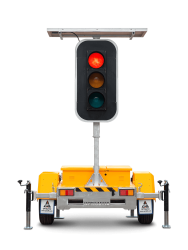
Traffic Signals: Traffic lights and signs regulate vehicle movement at intersections. Properly timed signals help maintain a steady flow of traffic and reduce bottlenecks.
Vehicle Speed: The speed at which vehicles travel influences overall traffic dynamics. Consistent speeds among vehicles contribute to a more predictable and efficient flow.
Role of Barrier Gates in Access Control
Barrier gates play a vital role in managing vehicle entry and exit in controlled zones. These gates serve as physical barriers that regulate access to specific areas, ensuring that only authorized vehicles can enter. The strategic placement of barrier gates helps prevent unauthorized access and enhances security measures.
Automatic boom barriers operate autonomously, providing convenience and efficiency in high-traffic locations. These systems reduce the need for manual intervention, allowing for seamless vehicle movement. The integration of technology with barrier gates further optimizes traffic management by streamlining the entry process and minimizing wait times.
Barrier Gate Placement and its Impact on Traffic Flow
Strategic Placement for Optimal Flow
Strategic placement of barrier gates plays a crucial role in optimizing traffic flow. Engineers must select the right location to minimize bottlenecks. Properly positioned barrier gates ensure smooth vehicle movement. This strategic approach reduces congestion and enhances overall traffic efficiency. Traffic planners must consider factors such as road layout and vehicle density. These considerations help determine the most effective placement for barrier gates. The goal is to facilitate seamless entry and exit at critical points.
Distance from Intersections or Critical Points
Proper spacing of barrier gates from intersections or critical points is essential. Engineers must avoid interference with regular traffic patterns. Incorrect placement can lead to traffic disruptions and increased wait times. Adequate distance allows vehicles to maneuver smoothly. This spacing prevents unnecessary congestion near busy intersections. Traffic experts recommend analyzing traffic flow data. This analysis helps in determining the optimal distance for barrier gate placement. The aim is to maintain a steady flow of vehicles without hindrance.
Impact on Queuing and Wait Times
Barrier gate placement significantly impacts queuing and wait times. Poorly placed gates can cause long queues that spill onto main roads. This situation creates additional traffic challenges and safety concerns. Proper placement of barrier gates helps manage vehicle queues effectively. Traffic engineers must design systems that accommodate peak traffic volumes. Efficient queuing reduces vehicle wait times and improves user experience. The focus remains on minimizing delays and ensuring smooth traffic flow.
Number of Gates and Lanes
Balancing Gate Quantity and Lane Capacity with Traffic Volume
Traffic planners must carefully balance the number of gates and lanes with the expected traffic volume. A higher number of gates can accommodate more vehicles simultaneously. This setup reduces congestion at entry and exit points. Engineers need to assess traffic patterns to determine optimal gate numbers.
Lane capacity plays a crucial role in managing vehicle flow. Wider lanes allow for smoother transitions and reduce bottlenecks. Traffic experts recommend analyzing peak traffic times to adjust lane configurations. Proper alignment of gates and lanes enhances overall efficiency.
Strategic planning ensures that infrastructure meets demand without unnecessary delays. Effective management of gates and lanes contributes to improved traffic flow and user satisfaction.
Barrier Gate Design and Its Effect on Traffic Efficiency
Type of Gate Mechanism
Barrier gate mechanisms vary in design and functionality. Boom barriers represent a common choice for controlling vehicular access. These barriers operate by rising vertically or pivoting horizontally to allow vehicles to pass. Boom barriers help prevent unauthorized access and reduce accident risks. Sliding gates offer an alternative, moving horizontally along a track. This design suits areas with limited vertical space. Sliding gates provide robust security and efficient operation. Retractable bollards present another option, retracting into the ground to permit vehicle passage. These bollards enhance security while maintaining aesthetic appeal.
Automation and Integration with Technology
Automation transforms barrier gate operations. Automated gates function without manual intervention, offering convenience and efficiency. These gates integrate with advanced systems like RFID readers and license plate recognition. Such technology streamlines access management processes. Automated gates reduce human error and increase throughput. Manual gates, in contrast, require human operation. These gates suit locations with lower traffic volumes or specific security needs. The integration of technology enhances barrier gate functionality. Systems like RFID and license plate recognition improve access control accuracy.
Speed of Gate Operation
The speed of barrier gate operation impacts traffic efficiency. Faster gates reduce vehicle waiting time, enhancing flow at entry and exit points. Quick operation minimizes queues and prevents congestion. Engineers design gates to balance speed with safety. Rapid movement should not compromise security or user safety. Advanced technology facilitates faster gate operation. Systems like remote controls and energy-efficient designs optimize performance. Efficient gate speed contributes to smoother traffic dynamics and improved user satisfaction.
Gate Visibility and User Interaction
Clear Signage and Intuitive Gate Design
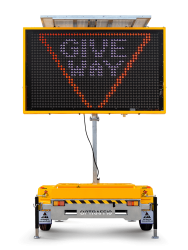
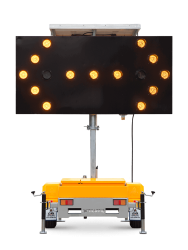
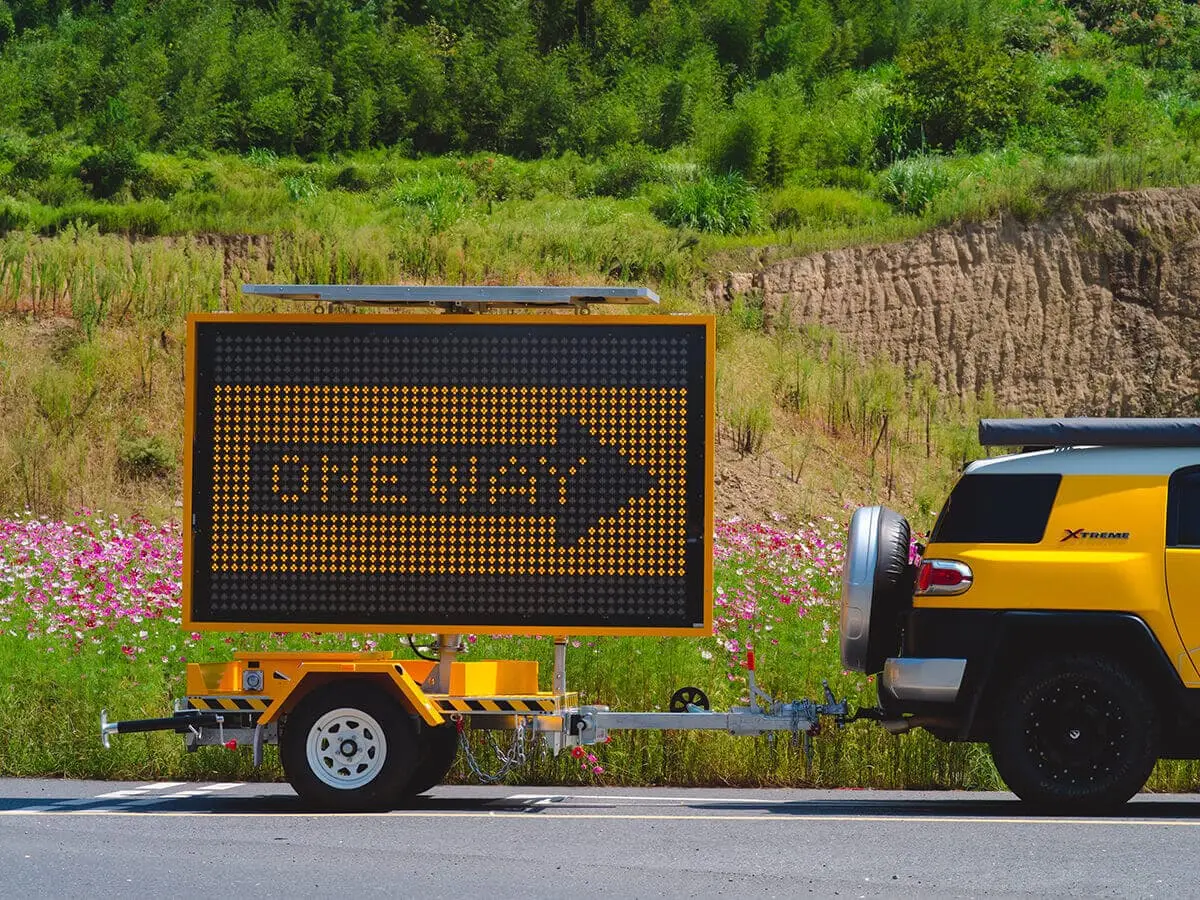
Clear signage enhances barrier gate effectiveness. Drivers need immediate understanding of entry and exit procedures. Proper signs guide vehicles efficiently, reducing confusion. Signs should display clear instructions and directional arrows. Visibility ensures smooth traffic flow and minimizes delays.
Intuitive gate design plays a crucial role in user interaction. Gates must offer straightforward operation for all users. Simple mechanisms prevent errors and improve efficiency. Designs should accommodate diverse vehicle types and sizes. User-friendly gates enhance overall traffic management.
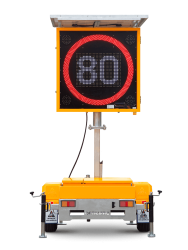
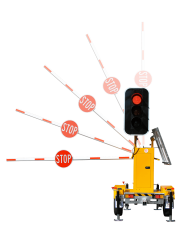
OPTRAFFIC portable boom gates exemplify effective design. These gates incorporate energy-efficient features and advanced systems. RFID readers and remote controls streamline access processes. Portability offers flexibility for various locations and needs. Traditional boom gates provide robust security by preventing unauthorized access. These gates operate vertically or horizontally, ensuring safety.
Effective gate visibility and design contribute to improved traffic flow. Strategic implementation reduces congestion and enhances user satisfaction.
Each type of barrier gate presents distinct advantages. OPTRAFFIC® Boom Gate Trailer excels in portability and versatility. Hydraulic boom barriers ensure durability and precision. Automatic boom barriers enhance efficiency with advanced technology. Straight arm barriers deliver simplicity and effectiveness. Understanding these differences aids in selecting the right barrier gate for specific needs.
Strategic placement and design of barrier gates significantly enhance traffic flow. Properly positioned gates minimize congestion and improve vehicle movement efficiency. Effective gate management ensures smooth entry and exit at critical points. The integration of advanced technology with barrier systems optimizes access control. Automated gates reduce human error and increase throughput. Enhanced security measures protect assets and ensure efficient operations. Businesses benefit from systematic access management and risk mitigation. Barrier gates play a vital role in modern traffic management, contributing to safer and more efficient transportation networks.
Mine-spec VMS trailer requirements under WA’s 2026 mine traffic code: visibility, ID, isolation, documents and how to order a unit that passes site entry.