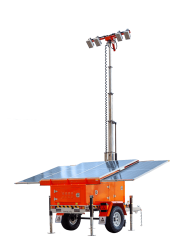



Proper storage of critical spares ensures towable light tower equipment stays ready for construction and temporary lighting tasks. Light tower components face harsh conditions on portable job sites. Quick access to equipment and parts supports efficiency and reduces downtime.
Dust, heat, and moisture lead to clogging, corrosion, and electrical failures in light tower equipment.
Regular inspections and safe handling of hazardous materials protect both the equipment and the environment.
Efficient storage solutions help construction crews maintain equipment reliability, safety, and efficiency for every towable light tower.
What Are Critical Spares for Towable Lighting Towers?
Definition of “critical spares”
Critical spares play a vital role in the maintenance and operation of any light tower. Industry practice defines critical spares as parts whose absence would stop operations or create safety risks. These components keep light tower equipment functional and safe, especially on demanding construction sites. Fleet operators identify these parts by reviewing maintenance logs, downtime records, and repair histories. They focus on items that have high failure rates or long lead times for replacement.
Note: The approach to defining critical spares remains practical and operational. Most fleet managers rely on real-world data and experience rather than formal published standards. They balance inventory costs with the need for availability, especially for remote or emergency work zones.
Technologies such as IoT sensors and automated reordering systems help operators track the condition and stock levels of critical spares. This proactive management reduces downtime and ensures that every light tower, including advanced models like the lithium battery LED light tower and solar light tower, stays ready for use.
Commonly needed spare parts
Light tower equipment consists of many components, each with unique maintenance needs. Some parts fail more often or require replacement due to harsh job site conditions. The following table categorizes essential spares for light tower towable units, including those used in OPTRAFFIC’s LED towable light tower and solar models:
| Category | Example Parts | Function/Importance |
|---|---|---|
| Structural | Stabilizers, tow frames, mast ropes, rollers | Maintain stability and support during operation |
| Hydraulic Systems | Hydraulic pumps, hoses, cylinders | Control mast movement and positioning |
| Electrical Components | Electrical connectors, wiring, fuses | Ensure reliable power delivery to led lighting |
| Lighting Elements | Led modules, bulbs, reflectors | Provide illumination for construction equipment |
| Power Systems | Batteries (including lithium), alternators | Supply energy for led and solar light tower units |
| Fuel System Parts | Fuel pumps, filters, tanks | Support diesel or hybrid light tower performance |
| Control Systems | Switches, control panels, sensors | Manage operation and safety features |
Operators must pay special attention to high-failure-rate items such as mast ropes, rollers, and electrical connectors. These parts often experience wear due to frequent use and exposure to dust, moisture, and temperature changes. Long lead-time items, like specialized hydraulic components or lithium battery packs for lithium battery led light tower units, also require careful inventory planning.
Tip: Grouping spares by urgency and usage frequency helps streamline maintenance. For example, LED modules and electrical connectors should remain easily accessible for quick replacement, while less frequently used parts can be stored in central locations.
Solar light tower and solar-powered LED towable light tower models introduce additional spares, such as solar panels, charge controllers, and inverters. These parts support sustainable operation and reduce reliance on fuel, making them essential for modern construction equipment fleets.
OPTRAFFIC recommends that fleet managers regularly review spare parts usage and update their inventory based on actual performance data. This practice ensures that every towable light tower, whether a traditional diesel model or a solar light tower, remains ready for deployment. Proper management of critical spares supports operational continuity, safety, and the long-term performance of all light tower equipment.
Challenges in Spare Parts Storage
Inconsistent inventory tracking
Many construction equipment operators struggle with tracking spare parts for each light tower. Manual logs often lead to errors or missing data. When inventory records do not match actual stock, crews may face unexpected shortages. Barcode and RFID tagging systems help improve accuracy and speed up inventory checks. These systems allow teams to quickly locate parts for a towable LED light tower or a light tower towable unit. Regular cycle counting and ABC analysis also help prioritize high-value or frequently used items. OPTRAFFIC recommends integrating inventory tracking with fleet management software to reduce errors and ensure every piece of equipment stays ready.
Poor environmental control (temperature, moisture, dust)
Environmental factors can damage critical spares for light tower equipment. Dust, moisture, and temperature swings cause corrosion, electrical failures, and hydraulic issues. Operators should use block heaters in cold weather to maintain engine temperature and prevent cold starts. Engines need time to warm up before operation to avoid damage. Diesel engines perform best at 70% to 80% load, which prevents wet stacking and extends equipment life. Regular inspection and replacement of air filters keep airflow clean and prevent contamination. Proper fuel storage and handling reduce moisture risks. Storing generators and sensitive parts in suitable locations protects them from environmental damage. Operator training on maintenance practices further extends the lifespan of construction equipment.
Lack of categorization (by urgency, frequency of use, shelf life)
Without proper categorization, spare parts for light tower equipment become hard to find. Frequently used spares should be placed near the entrance of the storage area for quick access. Grouping similar items together streamlines retrieval and supports urgent repairs. Clear labeling systems, such as color-coding or numerical codes, help staff identify parts quickly. Tracking expiration dates and rotating stock ensures older items get used first, which prevents waste. Setting minimum and maximum stock levels based on usage data keeps critical parts available. Barcode or RFID tagging further enhances organization and reduces errors. These methods improve availability and reduce retrieval time for OPTRAFFIC light tower spares.
Accessibility and misplacement issues
Poor organization leads to misplaced parts and delays in repairs. When storage areas lack clear pathways or labeled bins, crews waste time searching for the right component. Mobile storage carts and stackable bins help keep small parts organized and accessible. Vertical storage solutions work well for mast components and tall items. For heavy equipment storage, using modular shelving and cabinets ensures that even large spares remain easy to reach. OPTRAFFIC suggests regular audits and staff training to maintain order and prevent misplacement. Efficient storage supports operational readiness for every towable light tower, including LED towable light towers and solar-powered models. Long-term storage solutions must also protect parts from dust and moisture, ensuring reliability for future use.
Storage Best Practices for Critical Spares
Inventory Management Systems
Use of barcoding or RFID systems
Modern inventory management systems use barcoding and RFID technology to track every spare part for a light tower. These systems help operators locate portable LED flood light components, mast ropes, and smart LED flood lights quickly. Barcodes and RFID tags attach to each item, allowing staff to scan and update records instantly. This process reduces human error and prevents stockouts for critical equipment. When a technician needs a lithium battery LED light tower spare, the system shows its exact location. This method improves efficiency and supports fast repairs on portable equipment.
Integration with fleet management or CMMS software
Operators often integrate inventory tracking with fleet management or computerized maintenance management systems (CMMS). These platforms connect spare parts data with maintenance schedules for every light tower towable unit. The software sends alerts when stock runs low or when a solar light tower needs preventive maintenance. IoT sensors and automated reordering features enable real-time monitoring of critical components, such as batteries and LED modules. This integration supports predictive maintenance and reduces downtime for portable and towable LED light tower fleets.
Inventory management systems deliver measurable benefits for towable light tower operations. The following table highlights key performance metrics:
| Performance Metric | Benchmark Value | Impact on Towable Light Tower Operations |
|---|---|---|
| Inventory Accuracy Rate | 97% or higher | Enables real-time tracking of spare parts, reducing errors and stockouts |
| Supplier Reliability Score | 90% reliability | Ensures dependable supply, minimizing delays and operational disruptions |
| Downtime Reduction | Up to 30% | Significantly decreases operational interruptions and maintenance delays |
| Cost Savings | Over $1 million per 10 hours of downtime reduced annually | Improves financial outcomes by lowering downtime-related expenses |
| Carrying Cost Reduction | 20% | Lowers inventory holding costs through optimization |
| Efficiency Improvement | Up to 20% | Achieved via inventory consolidation and streamlined supply chains |
Inventory management systems help OPTRAFFIC customers achieve high inventory accuracy, reduce carrying costs, and improve overall efficiency. These solutions support both portable and solar-powered equipment, ensuring every LED towable light tower stays ready for use.
Modular Storage Solutions

Mobile storage carts for field repair kits
Mobile storage carts provide flexibility and mobility for field repairs. Technicians can load carts with essential spares, such as LED modules, connectors, and tools, and move them directly to the job site. This approach reduces downtime for portable equipment and supports quick repairs for OPTRAFFIC light tower towable units. Mobile carts work well for emergency situations and remote locations where access to a central warehouse is limited.
Stackable bins for small parts
Stackable bins organize small parts like fuses, switches, and wiring for LED and solar light tower models. These bins save space and make it easy to find the right component. Staff can label each bin for fast identification, reducing the risk of misplacement. Stackable bins also support long-term storage by protecting sensitive equipment from dust and moisture.
Vertical storage for mast components and tall items
Vertical storage racks hold tall items such as mast sections, stabilizers, and rollers. This method maximizes floor space and keeps heavy equipment accessible. Vertical storage works well for both portable and towable light tower spares, especially when space is limited. Staff can retrieve mast components quickly, improving efficiency during maintenance.
Tip: Modular storage solutions adapt to changing needs. Operators can reconfigure shelves, bins, and carts as inventory changes, supporting both short-term and long-term storage for OPTRAFFIC equipment.
| Storage Method | Pros | Cons | Best Use Case |
|---|---|---|---|
| Shelving | Easy access, visible inventory | Limited mobility, dust exposure | Central warehouse |
| Bins | Organizes small parts, stackable | Can become cluttered if unlabeled | Small led and solar components |
| Cabinets | Secure, protects from dust and moisture | Less portable, higher cost | Sensitive electronics, batteries |
| Mobile Carts | High mobility, supports field repairs | Limited capacity, may need frequent restock | Remote or emergency repairs |
| Trailer Chassis | On-site storage, always with equipment | Limited space, may need climate control | Portable and towable light tower |
Categorization and Prioritization
Classify parts by usage frequency and failure risk
Operators classify spare parts based on how often they need replacement and the risk of failure. Frequently used items, such as LED modules and connectors, stay near the front of the storage area. High-failure-risk parts, like mast ropes and hydraulic hoses, receive priority placement. This system ensures that critical equipment for portable and solar light tower units remains available when needed.
Labeling systems and part coding
Clear labeling and part coding help staff identify and retrieve the correct spare quickly. Color-coded labels or numerical codes distinguish between LED, solar, and lithium battery LED light tower components. This organization reduces errors and supports efficient maintenance for OPTRAFFIC equipment. Digital tracking systems further enhance accuracy and speed.
Note: Proper categorization and labeling improve efficiency and reduce the risk of using expired or incorrect parts. This practice supports both short-term repairs and long-term storage needs.
Environmental Controls
Climate-controlled storage for batteries, electronics
Climate-controlled storage protects sensitive components, such as lithium battery LED light tower batteries and control panels, from extreme temperatures and humidity. Stable conditions extend the lifespan of batteries and electronics, supporting energy efficiency and reliable performance. Operators use insulated cabinets or dedicated rooms for these items, especially in regions with harsh weather.
Dust-free shelving for sensitive components
Dust-free shelving prevents contamination of smart LED flood lights, connectors, and other delicate equipment. Sealed shelves or cabinets keep out dust and moisture, reducing the risk of corrosion and electrical failure. This method supports long-term storage for OPTRAFFIC portable and solar light tower spares.
Operators who implement environmental controls see fewer equipment failures and longer service life for critical spares. These solutions protect investments and improve the overall performance of every towable light tower.
Storage Location Strategies
Central warehouse vs. field depot storage
Central warehouses offer secure storage for light tower equipment and critical spares. These facilities use labeled bins, racks, and color coding to organize parts for every light tower towable unit. Digital tracking systems help staff locate portable equipment quickly. Centralized storage supports large construction projects and heavy equipment storage needs. Field depots, on the other hand, place spares closer to active construction sites. This approach reduces travel time and speeds up repairs for portable light tower units. Field depots often use modular shelving and stackable bins to maximize limited space. OPTRAFFIC recommends regular audits and digital inventory checks in both settings to maintain operational readiness.
Storing spares on trailers or within mobile workshops
Many construction teams store essential spares directly on trailers or inside mobile workshops. This method keeps portable light tower parts close to the equipment. Mobile storage carts and compact cabinets fit inside trailers, holding items like LED modules, connectors, and tools. Technicians can perform quick repairs on-site without returning to a central warehouse. This strategy works well for towable LED light tower units and supports fast response during emergencies. OPTRAFFIC suggests using clear labeling and part coding inside mobile workshops to prevent misplacement and ensure efficient retrieval.
Considerations for remote work zones and emergency access
Remote work zones and emergency access areas present unique challenges for light tower storage and deployment. Teams must consider several logistical factors:
- Transport vehicle requirements change by tower type. Wide-body towers need larger trucks, which may not reach remote sites. Narrow-body towers fit smaller vehicles, making them easier to move.
- Storage space often remains limited in remote locations. Narrow-body towers and compact portable equipment fit better in tight areas.
- Portability and ease of towing help teams relocate light tower units quickly during emergencies.
- Remote monitoring features allow centralized control, reducing manual checks and improving efficiency.
- Camera support on some towers increases security and situational awareness.
- Solar power integration reduces fuel needs, supporting sustainable operation in areas with limited fuel supply.
Proper documentation, manuals, and regular training for maintenance staff ensure safe and effective use of all light tower equipment. OPTRAFFIC encourages teams to keep updated guides and digital resources available at every storage location. This practice supports both routine construction and emergency deployments, keeping every towable light tower ready for action.
B2B Considerations for Fleet Managers and Distributors
Vendor-managed inventory (VMI)
Fleet managers often choose vendor-managed inventory to streamline light tower spare parts management. With VMI, OPTRAFFIC monitors stock levels for LED modules, solar panels, and other critical equipment. This approach ensures that storage areas always contain the right parts for each light tower towable unit. VMI reduces the risk of stockouts and improves efficiency. Distributors benefit from fewer manual checks and better performance across their fleets.
Spare parts kits tailored to each tower model
OPTRAFFIC recommends creating spare parts kits for every light tower model, including LED towable light towers and solar light tower units. These kits include essential LED components, solar charge controllers, and hydraulic parts. By storing kits in lockable units, managers improve access control and prevent loss. Tailored kits support quick repairs and help meet sustainability goals by reducing waste.
Leasing vs. owning storage infrastructure
Leasing storage infrastructure offers flexibility for companies with changing equipment needs. OPTRAFFIC clients often lease modular storage units for solar and LED equipment. Leasing lowers upfront cost and allows easy upgrades. Owning storage may suit large fleets with stable requirements. Both options require secure storage for fuel and sensitive electronics to maintain safety and performance.
Safety stock recommendations and reorder points
Maintaining safety stock for light tower spares prevents downtime. OPTRAFFIC suggests setting reorder points based on usage data for LED modules, solar batteries, and control panels. Regular audits help managers optimize storage costs and avoid overstocking. Using digital tracking systems improves efficiency and ensures every towable LED light tower remains ready for deployment.
Tip: Lockable storage units and clear labeling protect valuable equipment and support safe fuel storage. Regular audits and using existing resources help control costs and improve sustainability.
| Storage Optimization Strategy | Benefit |
|---|---|
| Regular Audits | Reduces excess inventory |
| Digital Tracking | Improves efficiency |
| Modular Units | Enhances flexibility |
| Access Control | Increases security |
OPTRAFFIC supports fleet managers in achieving high performance, sustainability, and cost efficiency for every light tower, LED, and solar equipment deployment.
Organized storage of critical spares for towable light tower equipment transforms daily operations. Teams that follow best practices see major improvements:
- Reduced downtime and faster repairs for every towable LED light tower
- Less waste and better inventory control for all equipment
- Higher worker productivity through efficient storage layout
- Improved safety by storing heavy equipment at waist level
Grouping similar items, using barcode tracking, and integrating CMMS software help maintain reliable LED and solar equipment. Ongoing review of storage systems ensures OPTRAFFIC equipment stays ready for any job. Well-managed storage supports operational readiness and extends the life of every light tower towable unit.
FAQ
What are the most important spares to keep for a towable light tower?
Operators should always keep mast ropes, led modules, electrical connectors, and batteries on hand. These parts fail most often in towable light tower units. OPTRAFFIC recommends storing these spares for every light tower towable and LED towable light tower.
How can teams prevent environmental damage to towable light tower spares?
Teams use climate-controlled cabinets and dust-free shelving. These methods protect towable LED light tower components from moisture and dust. OPTRAFFIC suggests regular inspections and proper storage to extend the life of every towable light tower spare.
Where should companies store critical spares for remote projects?
Many companies use mobile workshops or store spares directly on the towable light tower trailer chassis. This approach keeps parts close to the equipment. OPTRAFFIC also recommends field depots for quick access during emergencies.
How does OPTRAFFIC help with inventory management for towable light tower spares?
OPTRAFFIC offers digital tracking, barcoding, and vendor-managed inventory solutions. These tools help operators track every towable light tower spare. Teams can find parts for any LED towable light tower or towable LED light tower quickly and accurately.
Your Reliable Traffic Safety Equipment Partner
One-Stop Solution for Traffic Safety Equipment, since 2008, at OPTRAFFIC, we are more than just a manufacturer, we are your all-in-one for traffic safety solutions. We focus on innovation through our dedicated R&D team and uphold strict quality controls to ensure the durability and reliability of our products. Our equipment has been used in major global events, including the Beijing and London Olympic Games, and projects like the Sydney New Airport.
To serve our international customers effectively, we have established a network of local distributors in countries such as Canada, New Zealand, Australia, Ireland, and the Netherlands, ensuring prompt and efficient service worldwide.


Imported vs Australian-Built VMS Trailers: Where Each Has the Edge
Imported vs Australian-built VMS trailers: where each has a real advantage, what compliance requires of both, and how to choose for your fleet.
What Should a VMS Trailer Quote Include in Australia? Line Items to Compare Before You Sign
What should a VMS trailer quote include? Ten line items to compare, from delivery and registration to software fees, warranty and local spare parts.
When to Order VMS Trailers for Bushfire Season: A Region-by-Region Guide for Australian Hire Fleets
When to order VMS trailers for bushfire season: a region-by-region guide for hire fleets, with order-by months, stock top-ups and pre-season checks.
What Makes a VMS Trailer Mine-Spec? Site Entry Requirements for Western Australian Mine Sites
Mine-spec VMS trailer requirements under WA’s 2026 mine traffic code: visibility, ID, isolation, documents and how to order a unit that passes site entry.
Portable VMS Requirements in Western Australia: Main Roads Rules, Remote Access and Local Supply
Portable VMS requirements in Western Australia: Main Roads character heights, colours, remote access rules and where WA fleets source VMS trailers locally.
How Long Does It Take to Get a VMS Trailer in Australia? Local Stock vs Custom Builds
How long does it take to get a VMS trailer in Australia? Local stock arrives in 1–2 weeks; custom builds take about 6 weeks. See what drives the gap.