



Solar panel trailers revolutionize power efficiency in mobile applications. These trailers harness sunlight to generate clean electricity, reducing reliance on diesel engines. This leads to lower fuel consumption and significant environmental benefits. The International Energy Agency reports that solar panel trailers can save over 5% in annual diesel costs and prevent around 6,000 kilograms of CO2 emissions per truck-trailer combination annually. Determining the correct number of solar panels is crucial for optimizing energy production and ensuring efficient operation.
Understanding Solar Panel Trailers
What is a Solar Panel Trailer?
A solar panel trailer serves as a mobile power solution. The primary purpose involves harnessing solar energy to power on-board systems. This technology reduces reliance on fossil fuels. Solar panel trailers enhance battery life and ensure continuous operation. These trailers prove essential in remote locations where conventional power sources are unavailable.

Components of a Solar Panel Trailer
A solar panel trailer consists of several key components:
Solar panels
Solar panels form the core of a solar panel trailer. These panels capture sunlight and convert it into electrical energy. Photovoltaic cells within the panels facilitate this conversion. The efficiency of solar panels determines the amount of energy generated. High-efficiency panels maximize energy production, ensuring optimal performance.
Battery storage
Battery storage plays a crucial role in a solar panel trailer. Batteries store the energy generated by the solar panels. This stored energy powers the trailer’s systems when sunlight is not available. The capacity of the battery storage impacts the duration of power availability. Adequate battery storage ensures uninterrupted operation of essential systems.
Inverter and charge controller
An inverter converts the direct current (DC) from the solar panels into alternating current (AC). AC powers most of the trailer’s appliances and devices. The charge controller regulates the voltage and current from the solar panels to the batteries. This regulation prevents overcharging and extends battery life. Both components are vital for efficient energy management in a solar panel trailer.
Understanding Power Requirements
Assessing the Trailer’s Energy Needs
A solar panel trailer requires a thorough assessment of energy needs to ensure optimal performance. The first step involves identifying all appliances and devices that the trailer will power. Each appliance has specific energy consumption rates, measured in watt-hours. A comprehensive list of these devices helps in calculating the total energy demand.
Energy consumption varies based on the type and number of devices. Common appliances in a solar panel trailer include lights, refrigerators, and communication equipment. Each device should have its energy usage recorded. This information provides a clear picture of the trailer’s daily energy requirements.
Calculating Total Energy Use
Calculating total energy use involves summing up the energy consumption of all devices within the solar panel trailer. For instance, if a refrigerator uses 500 watt-hours per day and lighting consumes 200 watt-hours, the total energy requirement becomes 700 watt-hours daily. This calculation forms the basis for determining the number of solar panels needed.
The efficiency of a solar panel trailer depends on matching energy production with consumption. Solar panels generate energy based on sunlight exposure and efficiency ratings. A typical 100-watt solar panel produces approximately 350 watt-hours per day. Therefore, dividing the total energy requirement by the output of a single panel determines the number of panels required.
Geographic location and sunlight availability also impact energy generation. Areas with abundant sunlight require fewer panels compared to regions with limited sun exposure. Seasonal variations further influence energy production. Adjustments in the number of panels may be necessary to account for these factors.
Battery storage capacity plays a crucial role in managing energy use. Adequate battery storage ensures continuous power supply even during periods of low sunlight. A general guideline suggests having 300 watts of solar panel power for every 100 amp-hours of battery storage. This balance maintains an optimal state of charge, enhancing the lifespan of trailer batteries.
Factors Affecting the Number of Solar Panels Needed
Energy Consumption Requirements
Calculating energy needs
Energy consumption requirements play a significant role in determining the number of solar panels needed for a solar panel trailer. Each appliance or device within the trailer consumes a specific amount of energy, measured in watt-hours. To calculate energy needs, list all devices and their respective energy consumption. For example, a refrigerator may consume 500 watt-hours daily, while lighting might require 200 watt-hours. Summing these values provides the total daily energy requirement.
Typical appliances and devices powered
A solar panel trailer typically powers a variety of appliances and devices. Common items include refrigerators, lighting systems, communication equipment, and charging stations. Each device contributes to the overall energy demand of the trailer. Understanding the energy consumption of these appliances is crucial for accurately determining the number of solar panels required.
Solar Panel Efficiency
Types of solar panels
Solar panel efficiency varies based on the type of panel used in a solar panel trailer. Monocrystalline panels generally offer higher efficiency compared to polycrystalline panels. Thin-film panels provide flexibility but may have lower efficiency. Selecting the appropriate type of solar panel impacts the overall energy production of the trailer.
Efficiency ratings and impact
Efficiency ratings indicate how effectively a solar panel converts sunlight into electricity. Higher efficiency panels generate more energy from the same amount of sunlight. The efficiency of solar panels directly affects the number of panels needed for a solar panel trailer. Panels with higher efficiency ratings reduce the total number required to meet energy demands.
Scientific Research Findings:
- Solar panel efficiency peaks during summer months.
- Geographic location influences solar power output.
- Actual output may differ from rated efficiency.
Geographic Location and Sunlight Availability
Impact of location on solar energy
Geographic location significantly impacts the solar energy production of a solar panel trailer. Areas closer to the equator receive more direct sunlight, enhancing energy generation. Locations with frequent cloud cover or high latitude may experience reduced solar power output. Adjusting the number of solar panels based on geographic location ensures optimal energy production.
Seasonal variations
Seasonal variations affect the availability of sunlight for a solar panel trailer. During summer, longer daylight hours increase solar energy production. Winter months may see reduced sunlight, impacting energy generation. Understanding seasonal changes helps in planning the number of solar panels needed to maintain consistent power supply throughout the year.
Battery Storage Capacity
Battery storage capacity plays a pivotal role in the functionality of a solar panel trailer. Batteries store the energy generated by solar panels. This stored energy powers the trailer’s systems when sunlight is unavailable. The capacity of battery storage directly impacts the duration of power availability.
A higher battery storage capacity ensures a longer supply of energy. This is particularly important during periods of low sunlight or at night. A general guideline suggests having 300 watts of solar panel power for every 100 amp-hours of battery storage. This balance maintains an optimal state of charge, enhancing the lifespan of trailer batteries.
Scientific Research Findings:
- Solar panel efficiency peaks during summer months.
- Geographic location influences solar power output.
- Actual output may differ from rated efficiency.
The efficiency of solar panels affects the number of panels needed. High-efficiency panels reduce the total number required to meet energy demands. Geographic location also impacts solar energy production. Areas closer to the equator receive more direct sunlight, enhancing energy generation.
Battery storage must align with energy consumption requirements. Each appliance or device within the trailer consumes a specific amount of energy. Understanding these consumption patterns helps in determining the appropriate battery storage capacity. Adequate storage ensures uninterrupted operation of essential systems.
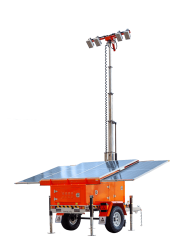
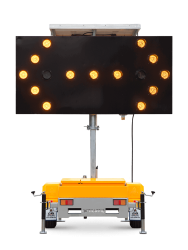
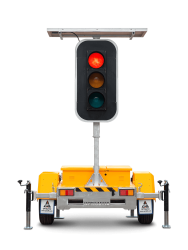
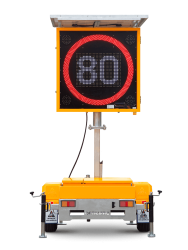
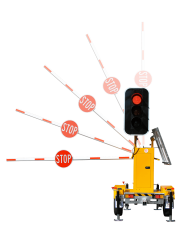
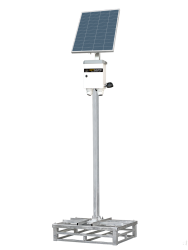
OPTraffic’s solar panel trailers have many types that are combined with light towers, VMS boards, traffic lights and so on.

Calculating the Number of Solar Panels
Step-by-Step Calculation
Assessing total energy needs
The first step in calculating the number of solar panels for a solar panel trailer involves assessing total energy needs. Begin by listing all appliances and devices that require power. Each item has a specific energy consumption rate, measured in watt-hours. Sum these values to determine the total daily energy requirement. For example, a refrigerator consuming 500 watt-hours and lighting using 200 watt-hours results in a total of 700 watt-hours per day.
Determining panel output
The next step involves determining the output of each solar panel. A typical 100-watt solar panel generates approximately 350 watt-hours per day. Divide the total energy requirement by the daily output of a single panel to calculate the number of panels needed. For instance, if the total energy requirement is 700 watt-hours, two 100-watt panels would suffice.
Adjusting for efficiency and location
Adjustments for efficiency and geographic location are crucial. High-efficiency solar panels reduce the total number required. Geographic location impacts sunlight availability, affecting energy production. Areas with abundant sunlight need fewer panels compared to regions with limited sun exposure. Seasonal variations also influence energy generation, necessitating adjustments in panel numbers.
Example Calculation
Sample scenario
Consider a solar panel trailer with a daily energy consumption of 5,000 watt-hours. The trailer operates in a region with moderate sunlight availability. The trailer uses high-efficiency solar panels rated at 400 watts each.
Detailed calculation process
- Assess total energy needs: The trailer requires 5,000 watt-hours per day.
- Determine panel output: Each 400-watt panel produces approximately 1,400 watt-hours daily.
- Calculate number of panels: Divide 5,000 watt-hours by 1,400 watt-hours per panel. The result is approximately 3.57. Round up to four panels to meet energy needs.
- Adjust for efficiency and location: Consider the impact of geographic location and seasonal changes. Additional panels may be necessary to ensure consistent power supply throughout the year.
Solar panel trailers benefit from advanced solar charging systems. These systems utilize batteries to store electricity generated by solar panels. This ensures continuous power supply and reduces reliance on fossil fuels. Properly sized battery banks enhance operational efficiency and cost savings. High-efficiency solar panels minimize the number of panels needed, optimizing space and resources.
Solar panel trailers offer a practical solution for sustainable energy needs. These trailers reduce reliance on fossil fuels and lower emissions. Solar-powered trailers capture sunlight to generate electricity, providing energy for essential systems in remote locations. The benefits include environmental sustainability and cost savings. Transitioning to solar-powered trailers demonstrates a commitment to ecological innovation. The use of renewable energy solutions supports sustainable transportation practices. Consider adopting solar panel trailers to enhance energy efficiency and reduce the carbon footprint.




Imported vs Australian-Built VMS Trailers: Where Each Has the Edge
Imported vs Australian-built VMS trailers: where each has a real advantage, what compliance requires of both, and how to choose for your fleet.
What Should a VMS Trailer Quote Include in Australia? Line Items to Compare Before You Sign
What should a VMS trailer quote include? Ten line items to compare, from delivery and registration to software fees, warranty and local spare parts.

When to Order VMS Trailers for Bushfire Season: A Region-by-Region Guide for Australian Hire Fleets
When to order VMS trailers for bushfire season: a region-by-region guide for hire fleets, with order-by months, stock top-ups and pre-season checks.
What Makes a VMS Trailer Mine-Spec? Site Entry Requirements for Western Australian Mine Sites
Mine-spec VMS trailer requirements under WA’s 2026 mine traffic code: visibility, ID, isolation, documents and how to order a unit that passes site entry.
Portable VMS Requirements in Western Australia: Main Roads Rules, Remote Access and Local Supply
Portable VMS requirements in Western Australia: Main Roads character heights, colours, remote access rules and where WA fleets source VMS trailers locally.
How Long Does It Take to Get a VMS Trailer in Australia? Local Stock vs Custom Builds
How long does it take to get a VMS trailer in Australia? Local stock arrives in 1–2 weeks; custom builds take about 6 weeks. See what drives the gap.