


Seasonal Wildlife & Community Safety Messaging
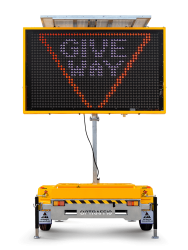
VMS Trailers Built for Relocatable, Remotely Updatable Warning Campaigns
One trailer, updated remotely for koala season, flood warnings, or school zones — no new fixed sign for every campaign.

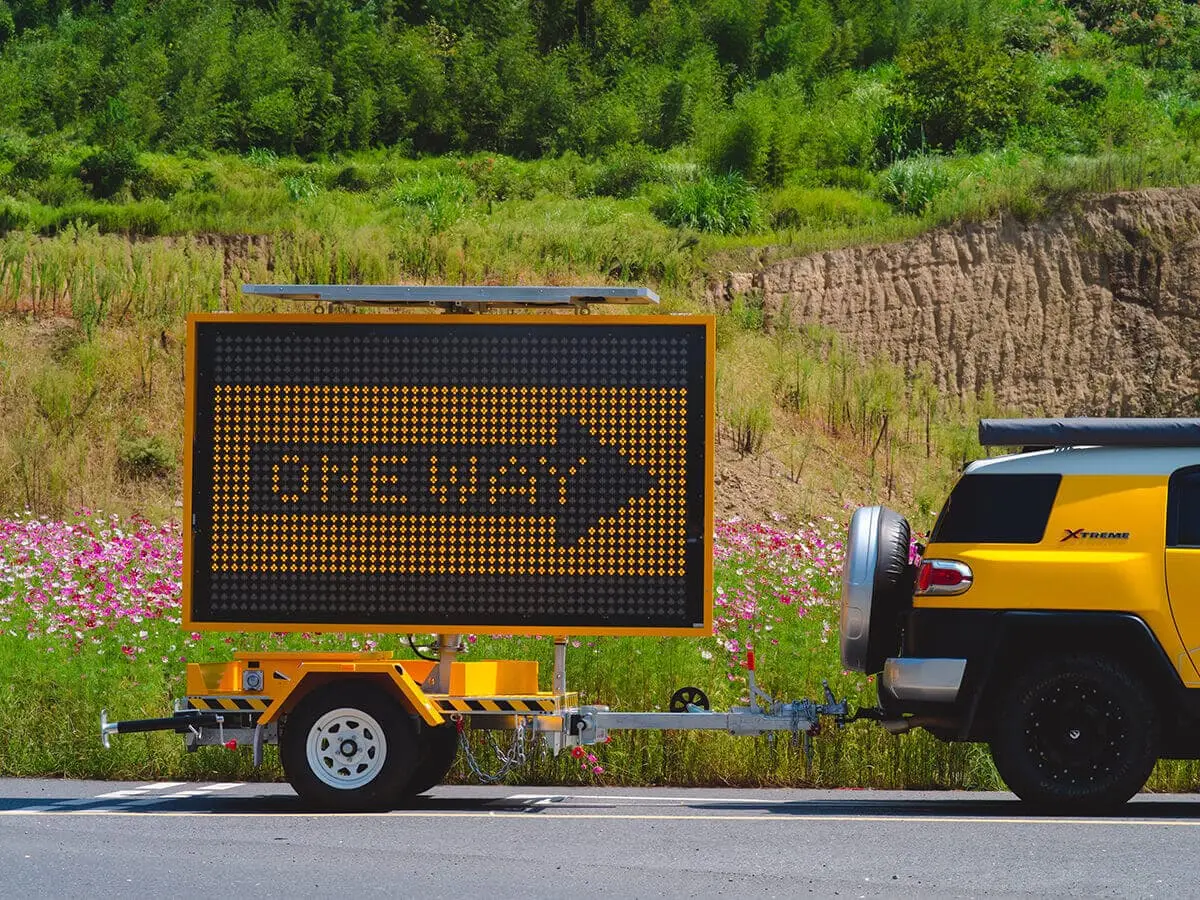
Koala breeding season runs roughly from August through February across Queensland, New South Wales, and Victoria, and it brings a sharp rise in vehicle strikes as koalas move more widely searching for mates and new territory. Optraffic’s team recently supplied variable message signs to a Queensland council preparing to deploy it for exactly this purpose — displaying seasonal driver warnings at a known koala crossing point. See Optraffic’s variable message sign range for solar trailer models suited to rural hotspot deployment.
Key Takeaways
- VMS trailers: Warn drivers with seasonal messaging during peak koala breeding season vehicle strike periods.
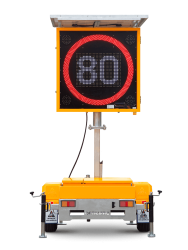
- Radar-linked VMS displays: Trigger slow-down warnings automatically when a vehicle approaches at speed.
- Solar-powered deployment: Runs continuously at rural and semi-rural koala crossing hotspots without grid power.
- Optraffic Web System: Lets council staff update seasonal warning messages remotely as breeding season dates shift.
- Portable VMS trailers: Relocate between known vehicle strike hotspots as council strike data updates each year.
Why Councils Are Funding VMS for Wildlife Warnings
This isn’t a niche request. NSW’s state government recently funded two councils specifically to deploy vehicle-activated wildlife warning signage ahead of koala breeding season, with one council’s grant covering a VMS trailer alongside fixed warning signs at known strike hotspots. Queensland councils have run similar programs for years, using strike data collected with wildlife hospitals and conservation groups to identify where warning signage has the most impact.
A VMS trailer suits this application better than a static sign for two reasons:
- It can display current, time-sensitive messaging — a warning that says “Koala Breeding Season: Slow Down” during peak months, then switches to different seasonal content afterward.
- It can relocate as strike data updates. Councils that track vehicle strike locations year over year often need to shift warning signage to newly identified hotspots, which a portable trailer supports without new fixed infrastructure.
Static Signs vs. VMS Trailers for Wildlife Warnings
| Factor | Static wildlife sign | VMS trailer |
|---|---|---|
| Message content | Fixed, permanent | Updatable for season or event |
| Relocating to new hotspots | Requires new installation | Tow to new site |
| Speed-triggered response | Not available | Available with radar-linked models |
| Cost to update messaging | New sign fabrication | Remote update via software |
Some councils pair a VMS trailer with a radar module so the display only activates or intensifies its warning when it detects an approaching vehicle. Gold Coast City Council’s radar-linked wildlife signage program, developed with Griffith University’s road ecology research group, has shown measurable driver speed reduction at trial sites. For councils weighing this option against a standard fixed-message VMS, this guide on VMS boards with radar modules covers how radar triggering works and what procurement teams should confirm before specifying one.
Placing a VMS Trailer at a Koala Vehicle Strike Hotspot
- Confirm the hotspot with strike data, not assumption. Councils with wildlife hospital partnerships or a koala sightings dashboard can identify locations with the highest actual strike counts, rather than guessing based on habitat maps alone.
- Position the sign with enough driver reaction distance. Warning needs to appear well before the hotspot, matched to the road’s posted speed limit.
- Time the display to the local breeding season window. Breeding season timing varies slightly by region — confirm local dates rather than defaulting to a generic August–February range.
- Plan for after-dark visibility. Koalas are most active between dusk and dawn, so display legibility in low light matters as much as daytime visibility.
Updating Messaging as the Season Changes
A variable message sign only delivers value if its message stays current. Optraffic’s Web System lets council staff update the displayed text remotely — switching a sign from “Koala Breeding Season: Slow Down” to a different seasonal or event message without a site visit. This matters for councils running the same VMS trailer across multiple community safety campaigns through the year, not just wildlife warnings during breeding season.
Councils considering the procurement side of a VMS purchase — tender requirements, STREAMS compliance for state road authority integration — can see this STREAMS compliant VMS procurement guide for the compliance details this article doesn’t cover in depth.
FAQ
Do VMS trailers actually reduce koala vehicle strikes?
Council programs using radar-linked wildlife warning signage have reported measurable driver speed reduction at trial sites, based on research conducted with Griffith University’s road ecology group. A VMS trailer adds the ability to time and update the message to match seasonal risk periods.
When does koala breeding season typically run in Australia?
Breeding season generally runs from August through February in Queensland, NSW, and Victoria, though councils should confirm exact local dates, since timing varies by region and population.
Can one VMS trailer be used for wildlife warnings and other council messaging?
Yes. A variable message sign with remote update capability, like Optraffic’s Web System, lets council staff switch messaging for different campaigns throughout the year, not just breeding season.
What’s the difference between a radar-linked VMS and a standard wildlife warning VMS?
A radar-linked VMS trailer detects an approaching vehicle’s speed and can trigger or intensify its warning display automatically, while a standard VMS displays static or scheduled messaging regardless of individual vehicle speed.
Conclusion
Seasonal wildlife warning signage is a small but growing use case for Australian councils, and it’s one where VMS trailers offer a real advantage over static signs — timed messaging, relocatable deployment, and remote updates that match how councils actually track and respond to strike data. For councils already running vehicle strike data programs with local wildlife groups, a portable variable message sign turns that data into an active, updatable warning system rather than a one-time sign installation.
Councils weighing this investment should treat it as part of a broader public safety messaging toolkit — the same VMS trailer used for koala breeding season can support flood season warnings, school zone campaigns, or other community safety messaging through the rest of the year, which affects how the cost is justified in a tender submission.
For help specifying a VMS trailer configuration for a wildlife hotspot deployment, Optraffic’s team can review site details and strike data to suggest a setup. Councils managing seasonal flood response alongside wildlife messaging can also see this flood response traffic management guide for Queensland councils for related seasonal deployment planning.


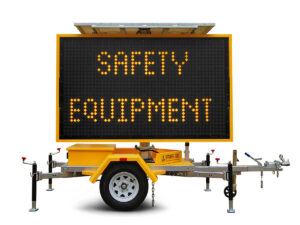
Lighting First or Recording First? CCTV-Ready Light Tower vs Camera Trailer for Integrators and Hire Fleets
CCTV-ready light tower vs camera trailer: compare whose camera runs, which load gets night power, and how hire fleets use one unit for two jobs.
VMS Trailers for Renewable Energy Zone Construction: Oversize Deliveries, Detours and Community Notice
How VMS trailers support renewable energy zone construction: oversize delivery warnings, detours, night moves and community notice on REZ routes.
Imported vs Australian-Built VMS Trailers: Where Each Has the Edge
Imported vs Australian-built VMS trailers: where each has a real advantage, what compliance requires of both, and how to choose for your fleet.
What Should a VMS Trailer Quote Include in Australia? Line Items to Compare Before You Sign
What should a VMS trailer quote include? Ten line items to compare, from delivery and registration to software fees, warranty and local spare parts.
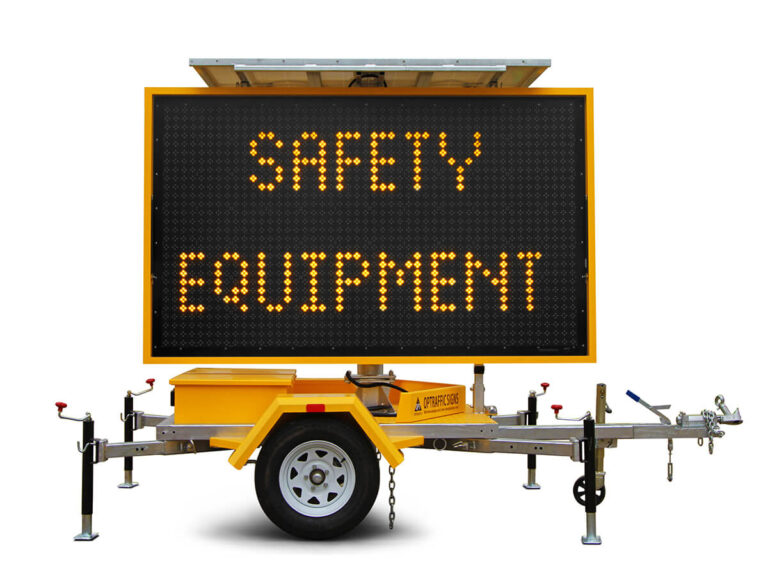
When to Order VMS Trailers for Bushfire Season: A Region-by-Region Guide for Australian Hire Fleets
When to order VMS trailers for bushfire season: a region-by-region guide for hire fleets, with order-by months, stock top-ups and pre-season checks.
What Makes a VMS Trailer Mine-Spec? Site Entry Requirements for Western Australian Mine Sites
Mine-spec VMS trailer requirements under WA’s 2026 mine traffic code: visibility, ID, isolation, documents and how to order a unit that passes site entry.