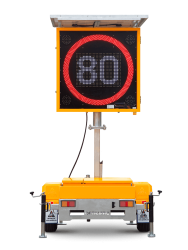
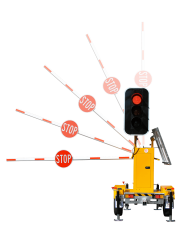
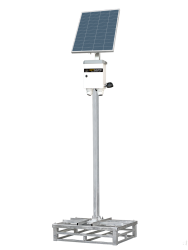



Railway crossing signals and emergency signal traffic lights serve distinct purposes, each tailored to address specific safety challenges. At railway crossings, the integration of automatic barriers, flashing lights, and bells significantly reduces the risk of collisions. Despite only 12% of crossings featuring automatic barriers, these systems prove more effective than static signs or flashing lights alone. In contrast, emergency signal traffic lights manage dynamic traffic scenarios, such as accidents or roadworks, by directing vehicles efficiently and ensuring the safety of all road users.
The design of these systems reflects their unique operational environments. Railway crossings prioritize preventing high-speed train collisions, while emergency signal traffic lights adapt to fluctuating traffic volumes and vehicle types. Data from the U.S. DOT highlights the effectiveness of active traffic control devices at railroad crossings, demonstrating a measurable reduction in accidents. These differences underscore the importance of tailored designs for ensuring safety and efficiency.
Purpose and Function of Railway Crossing Signals

Preventing Accidents at Railway Crossings
Role of flashing lights, bells, and barriers
Railroad crossing signals play a critical role in preventing accidents at railroad crossings. These systems use a combination of flashing lights, bells, and barriers to alert road users of an approaching train. Flashing lights serve as the first line of warning, capturing the attention of drivers and pedestrians from a distance. The accompanying bells provide an auditory signal, ensuring that individuals who may not see the lights are still alerted. Barriers, or gate arms, physically block vehicles from entering the grade crossing when a train is near, adding an extra layer of safety.
The integration of these components ensures that railroad crossings are highly visible and difficult to ignore. By combining visual, auditory, and physical elements, grade crossing signals effectively reduce the likelihood of collisions. These systems are particularly vital at busy crossings, where the risk of accidents is higher due to increased traffic volume.
How signals warn vehicles and pedestrians of approaching trains
Railroad crossing lights and signals are designed to provide clear and timely warnings to vehicles and pedestrians. When a train approaches, sensors detect its speed and location, triggering the activation of the crossing lights, bells, and barriers. This sequence ensures that road users receive ample warning before the train arrives. The flashing lights and bells create a sense of urgency, prompting drivers and pedestrians to stop and wait.
At many grade crossings, the barriers lower well in advance of the train’s arrival, physically preventing vehicles from crossing the tracks. This system not only protects road users but also ensures that trains can pass through the crossing without the risk of obstruction. By providing consistent and reliable warnings, railroad crossing signals play a crucial role in maintaining safety at crossings.
Timing and Synchronization
Coordination with train speed and location
The effectiveness of grade crossing signals depends on their ability to synchronize with the speed and location of approaching trains. Advanced sensors and control systems monitor the train’s movement, ensuring that the signals activate at the right time. This coordination minimizes the risk of false activations, which can undermine the credibility of the system and lead to dangerous behavior by road users.
For example, excessive warning times can cause drivers to disregard the signals, believing that no train is approaching. On the other hand, insufficient warning times may not provide enough time for vehicles to clear the crossing, increasing the risk of collisions. By accurately coordinating with the train’s speed and location, grade crossing signals ensure that warnings are both timely and effective.
Importance of precise timing to avoid collisions
Precise timing is essential for the safe operation of railroad crossings. The system must provide a minimum warning time of 20 seconds, as recommended by safety standards, to allow vehicles and pedestrians to react appropriately. This timing can be adjusted based on specific crossing conditions, such as the length of the crossing or the speed of the train.
A lack of precise timing can lead to serious safety issues. Excessive warning times may cause road users to lose trust in the system, while false activations can result in dangerous behavior. By ensuring accurate and reliable timing, grade crossing signals help prevent accidents and maintain the safety of both road users and train passengers.
| Evidence | Explanation |
|---|---|
| Excessive warning time can lead to collisions | If motorists see no train approaching during excessive warning times, they may ignore signals and attempt to cross, leading to potential collisions. |
| False activations reduce system credibility | An unusual number of false activations can cause motorists to disregard signals, increasing collision risks. |
| Minimum warning time requirements | The system must provide a minimum of 20 seconds of warning time, which can be adjusted based on specific crossing conditions to enhance safety. |
Purpose and Function of Emergency Signal Traffic Lights
Managing Traffic During Emergencies
Regulating traffic flow in accidents or roadworks
Emergency signal traffic lights play a pivotal role in managing traffic during unforeseen incidents like accidents or roadworks. These signals regulate the flow of vehicles by providing clear instructions to drivers, ensuring smoother navigation through disrupted areas. By doing so, they minimize congestion and reduce the likelihood of secondary accidents caused by confusion or erratic driving behavior.
Advanced systems, such as Adaptive Traffic Control Systems (ATCS), utilize sensors and algorithms to optimize traffic flow. These systems adjust traffic signals in real-time, responding to changing conditions on the road. For instance, when an accident occurs, the system can prioritize certain lanes or redirect vehicles to alternate routes, ensuring efficient traffic management. This dynamic approach significantly enhances safety and reduces delays for all road users.
Directing drivers to detours or stopping for first responders
Emergency signal traffic lights also assist in directing drivers to detours or halting traffic to allow first responders to reach the scene of an incident. Real-time traffic data enables these systems to process the entire route of emergency vehicles, communicating with traffic signals to alleviate congestion. This ensures that ambulances, fire trucks, and police vehicles can navigate through traffic swiftly and safely.
In Maryland, the Coordinated Highways Action Response Team (CHART) program demonstrated the effectiveness of such systems. By dynamically adjusting traffic signals and clearing incidents quickly, the program reduced incident duration by an average of seven minutes. This improvement not only expedited emergency response times but also minimized the impact on overall traffic flow.
Types of Emergency Signals
Flashing yellow or red lights
Flashing yellow or red lights are among the most common types of emergency signal traffic lights. These signals provide immediate visual cues to drivers, indicating the need to slow down, stop, or proceed with caution. Flashing yellow lights often warn of potential hazards ahead, such as roadworks or lane closures, while flashing red lights signal the need to stop completely.
The simplicity and effectiveness of these signals make them indispensable in emergency traffic management. Their high visibility ensures that drivers can quickly understand and respond to the situation, reducing the risk of accidents and ensuring the safety of all road users.
Use of digital displays and variable message signs
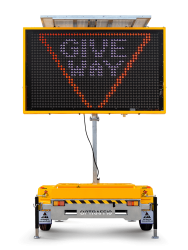
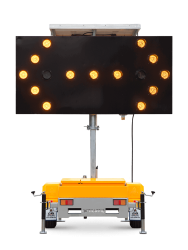
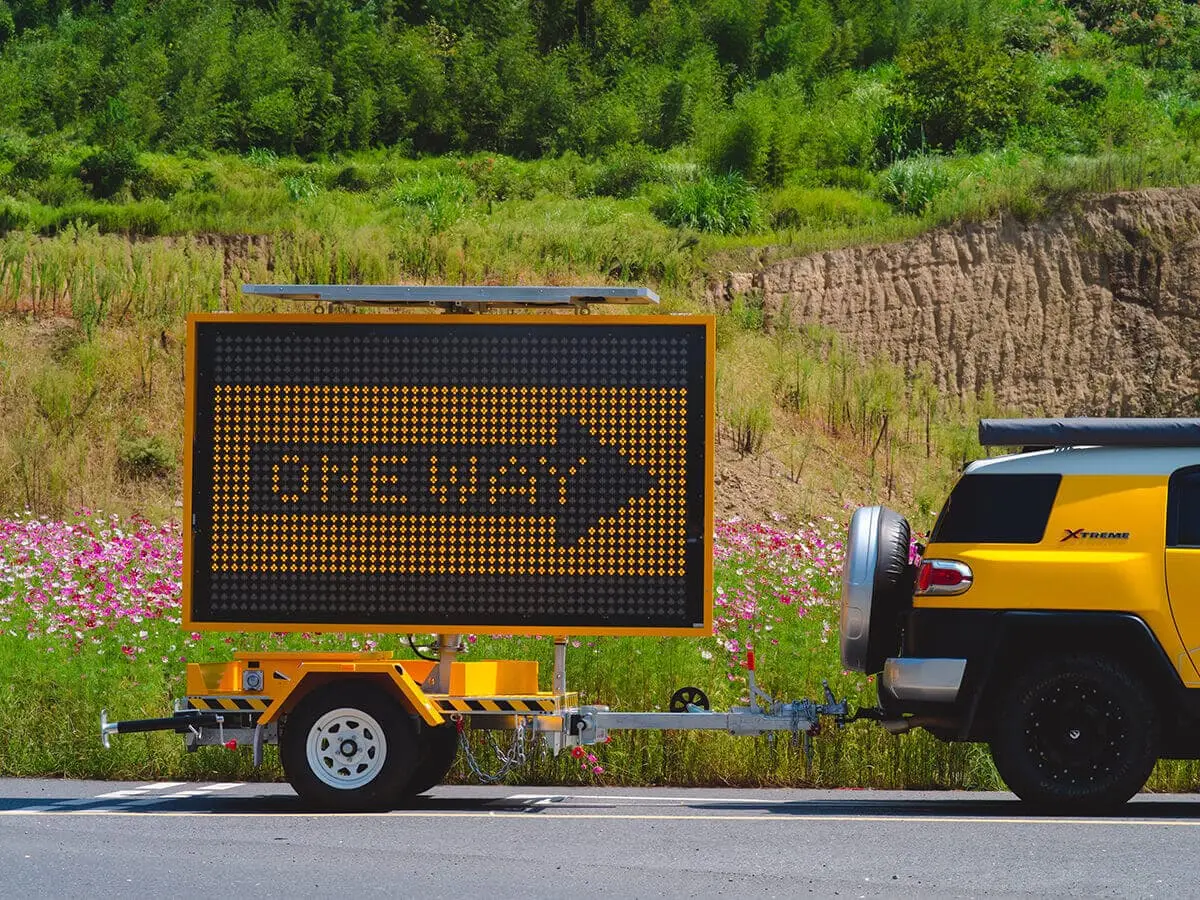
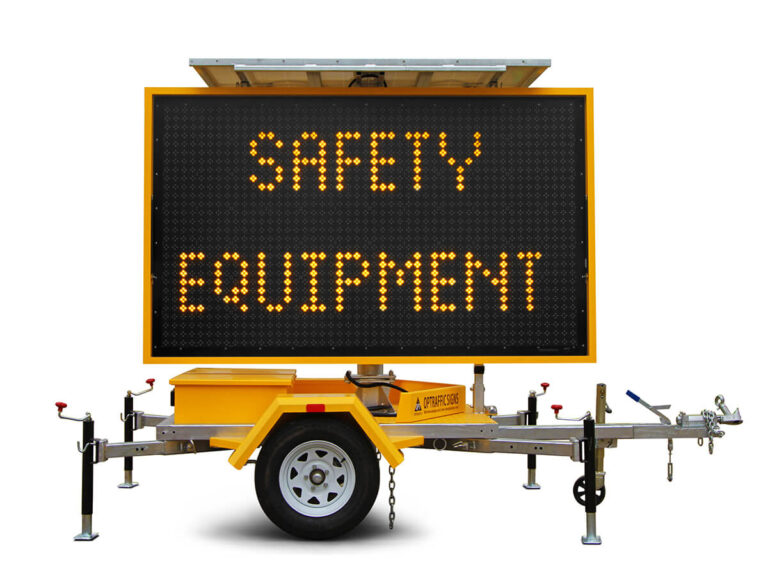
Digital displays and Variable Message Signs (VMS) are increasingly used in conjunction with emergency signal traffic lights to provide real-time information to drivers. These systems display critical updates, such as detour routes, estimated delays, or warnings about hazardous conditions. By offering clear and timely information, they help drivers make informed decisions and adapt to changing traffic conditions.
Studies by traffic management authorities highlight the effectiveness of LED VMS in reducing congestion and improving safety. Roads equipped with these signs have significantly lower accident rates compared to those using traditional signage. Additionally, the ability of VMS to provide real-time updates enhances driver response times, leading to smoother traffic flow and fewer incidents.
Note: The integration of flashing lights and digital displays ensures that emergency signal traffic lights remain versatile and effective in managing a wide range of scenarios. Their adaptability makes them a crucial component of modern traffic management systems.
Key Differences in Operation
Activation Mechanism
Automatic activation by approaching trains for railway signals
Railway crossing signals operate through an automatic activation system designed to ensure safety at every grade crossing. These systems rely on train detection technology that functions without human intervention. Track circuitry plays a pivotal role in this process. When a train approaches, it completes an electrical circuit, triggering the activation of the signals. This mechanism ensures that the flashing lights, bells, and barriers engage at the right moment, providing timely warnings to vehicles and pedestrians.
The automatic nature of these systems eliminates the risk of human error, making them highly reliable. By detecting the train’s presence and speed, the system ensures that the signals activate well before the train reaches the crossing. This fail-safe operation is critical for preventing collisions and maintaining the safety of both road users and rail line traffic signals.
Manual or event-triggered activation for emergency signals
Emergency signal traffic lights, on the other hand, often require manual or event-triggered activation. Traffic management personnel or first responders typically initiate these signals during emergencies such as accidents, roadworks, or natural disasters. Advanced systems can also activate automatically in response to specific events, like a sudden spike in traffic congestion or the arrival of emergency vehicles.
This flexibility allows emergency signals to adapt to dynamic situations. Unlike the fixed activation of rail crossing signals, these systems prioritize real-time responsiveness. By directing traffic efficiently and ensuring the swift passage of emergency vehicles, they play a crucial role in minimizing disruptions and enhancing road safety.
Signal Patterns
Flashing red lights and sound for railway signals
Railroad crossing signals use a distinct pattern of flashing red lights combined with auditory warnings like bells. This combination creates a multi-sensory alert system that captures the attention of drivers and pedestrians. The flashing red lights signal an immediate need to stop, while the sound ensures that individuals who may not see the lights are still warned.
Studies highlight the effectiveness of these patterns in enhancing safety. For instance, the installation of railway gates and the use of flashing lights at grade crossings significantly reduce the risk of collisions. These measures mitigate human and technical errors, ensuring that road users comply with the warnings and avoid crossing active tracks.
Flashing amber or red lights for emergency signals
Emergency signal traffic lights employ flashing amber or red lights to manage traffic during critical situations. Flashing amber lights typically indicate caution, urging drivers to slow down and prepare for potential hazards. Flashing red lights, on the other hand, signal the need to stop completely, often to allow emergency vehicles to pass or to redirect traffic.
The simplicity of these patterns ensures quick comprehension and compliance. Combined with digital displays or variable message signs, these signals provide real-time updates, guiding drivers through complex scenarios. This adaptability makes them indispensable for managing traffic flow and ensuring safety during emergencies.
Timing and Duration
Fixed duration based on train speed for railway signals
The timing of railroad crossing signals is meticulously calculated based on the train’s speed and distance from the crossing. Advanced sensors monitor the train’s movement, ensuring that the signals activate with a fixed duration that provides sufficient warning. Typically, the system offers a minimum of 20 seconds of warning time, as recommended by safety standards.
This precise timing is crucial for preventing accidents. Excessive warning times can lead to complacency among drivers, while insufficient warnings may not allow enough time to clear the crossing. By synchronizing with the train’s speed, the system ensures that the signals operate effectively, maintaining safety at every rail intersection.
Real-time activation and deactivation for emergency signals
Emergency signal traffic lights operate with real-time activation and deactivation, adapting to the specific needs of each situation. Advanced traffic management systems use sensors and algorithms to monitor road conditions, adjusting the signals dynamically. For example, during an accident, the system can prioritize certain lanes or redirect traffic to alternate routes.
This real-time responsiveness minimizes delays and enhances safety. Unlike the fixed timing of rail crossing signals, emergency signals require flexibility to address the unpredictable nature of emergencies. By providing timely and accurate guidance, these systems ensure efficient traffic management and reduce the risk of secondary incidents.
Differences in Design and Components
Components of Railway Crossing Signals
Gate arms, lights, bells, and barriers
Railway crossing signals incorporate several essential components to ensure safety at crossings. Gate arms, flashing lights, bells, and barriers work together to create a multi-layered warning system. Gate arms, also known as crossing gates, physically block vehicles and pedestrians from entering the tracks when a train approaches. These gates begin their downward motion approximately three seconds after the flashing lights activate, providing a clear visual cue before the roadway is closed.
Flashing lights serve as the primary visual warning, alerting drivers and pedestrians from a distance. These lights operate automatically, triggered by train detection systems that monitor the train’s speed and location. Bells complement the flashing lights by providing an audible warning, particularly effective for pedestrians and cyclists who may not notice the visual signals. Barriers, equipped with electromechanical components, temporarily close the roadway, ensuring vehicles cannot cross active tracks.
The design of these components prioritizes safety and reliability. According to the AREMA Communications and Signal Manual, traffic engineers collaborate with railroad personnel to ensure the compatibility of signal equipment. This collaboration guarantees that the circuits controlling the flashing lights provide a minimum operation of 20 seconds before a train arrives, allowing vehicles to clear the crossing safely. Studies also highlight the superior effectiveness of gates in preventing collisions compared to other traffic control devices.
| Evidence Type | Description |
|---|---|
| Safety Analysis | Gates are superior in preventing train-road user collisions. |
| Operational Standards | Gate arms start their downward motion three seconds after lights activate. |
| Warning Device | Bells provide an audible warning, effective for pedestrians and cyclists. |
| Barrier Gate Function | Barriers temporarily close the roadway, ensuring proper operation. |
Design focused on physically blocking vehicles
The design of railway crossing signals emphasizes physically blocking vehicles to prevent accidents. Crossing gates act as a physical barrier, ensuring no vehicle can enter the tracks once the warning system activates. This design reduces the likelihood of collisions by creating a clear and unavoidable obstruction.
The integration of flashing lights and bells enhances the system’s effectiveness by providing both visual and auditory warnings. These features ensure that all road users, regardless of their mode of transportation, receive adequate notice of an approaching train. The combination of physical barriers and sensory warnings makes railway crossing signals a robust solution for maintaining safety at crossings.
Components of Emergency Signal Traffic Lights

Flashing lights and road signs
Emergency signal traffic lights rely on flashing lights and road signs to manage traffic during critical situations. Flashing amber and red lights provide immediate visual cues, signaling drivers to slow down, stop, or proceed with caution. These lights are highly visible and easy to understand, making them effective in guiding traffic through emergencies.
Road signs, including digital displays and variable message signs (VMS), complement the flashing lights by providing real-time information. These signs display critical updates, such as detour routes or warnings about hazardous conditions. The combination of flashing lights and road signs ensures that drivers receive clear and timely guidance, reducing confusion and enhancing safety.
Field studies and simulations support the effectiveness of these components. Hardware-in-the-loop simulations, for example, combine real-world traffic controllers with simulations to analyze performance. These evaluations highlight the adaptability of emergency signal traffic lights, demonstrating their ability to manage traffic efficiently under various conditions.
| Evaluation Type | Findings |
|---|---|
| Hardware-in-the-Loop Simulation | Combines real-world traffic controllers with simulation for accurate performance analysis. |
| Adaptive Signal Control Implementation | Showed similar performance to traditional control under typical conditions, but varied by site. |
| Field Studies | Indicate a lack of consensus on adaptive control benefits, dependent on specific conditions. |
| Future Testing | Plans to explore growth scenarios and non-recurring congestion for better adaptability insights. |
Portable and adaptable designs for dynamic situations
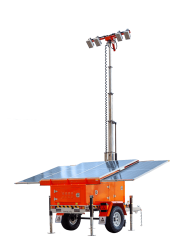
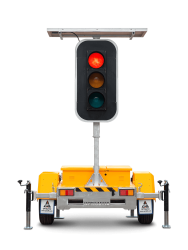
Emergency signal traffic lights feature portable and adaptable designs, making them suitable for dynamic situations. Unlike the fixed infrastructure of railway crossing signals, emergency signals can be deployed quickly in response to accidents, roadworks, or natural disasters. Portable traffic lights and VMS units allow traffic management teams to adapt to changing conditions, ensuring efficient traffic flow.
The adaptability of these systems extends to their operation. Advanced traffic management systems use sensors and algorithms to monitor road conditions and adjust signals in real time. This flexibility enables emergency signal traffic lights to address a wide range of scenarios, from minor disruptions to large-scale emergencies. Their portable and adaptable nature makes them an indispensable tool for modern traffic management.
Safety and Legal Considerations
Railway Crossing Signals
Strict regulations for design and maintenance
Railway crossing signals operate under strict regulations to ensure safety and reliability. Regulatory bodies mandate rigorous design standards and regular maintenance to mitigate the possibility of a collision. For instance, the Federal Railroad Administration (FRA) requires railroads to report all collisions between trains and road vehicles at crossings, maintaining annual summaries to identify trends and improve safety measures. Similarly, the National Highway Traffic Safety Administration (NHTSA) tracks fatal highway traffic collisions, including those at railroad crossings, to inform policy decisions.
| Source | Description |
|---|---|
| FRA | Requires railroads to report collisions at grade crossings, providing annual summaries of collision data. |
| NHTSA | Maintains a database of fatal highway traffic collisions, including those at grade crossings. |
| FMCSA | Collects data on highway collisions involving commercial vehicles, requiring accident registers to be maintained. |
| MTB | Reports on collisions involving hazardous materials, requiring immediate and detailed reporting under certain conditions. |
These records highlight the importance of maintaining crossing signals in optimal condition. Regular inspections ensure that flashing lights, bells, and barriers function correctly, reducing the risk of system failures. By adhering to these regulations, authorities aim to create a safer environment for both road users and train passengers.
Preventing high-speed collisions with trains
The design of railway crossing signals prioritizes preventing high-speed collisions between trains and road vehicles. Advanced detection systems monitor train speed and location, triggering signals well in advance of the train’s arrival. This ensures that vehicles and pedestrians have sufficient time to clear the crossing. The integration of physical barriers, such as gate arms, further enhances safety by physically blocking access to the tracks.
Historical data underscores the effectiveness of these measures. For example, crossings equipped with active warning systems, including flashing lights and barriers, experience significantly fewer accidents compared to those relying solely on passive signage. These systems play a critical role in reducing the likelihood of collisions, particularly at high-traffic crossings where the risk is elevated.
Emergency Signal Traffic Lights
Protocols for clearing traffic efficiently
Emergency signal traffic lights follow established protocols to manage traffic efficiently during critical situations. These protocols prioritize the smooth flow of vehicles, minimizing congestion and ensuring the safety of all road users. For instance, adaptive traffic management systems adjust traffic lights in real time based on road conditions, directing vehicles to alternate routes or prioritizing specific lanes.
The effectiveness of these systems depends on several factors, including the volume and speed of vehicular and railroad traffic. High traffic volumes necessitate clear and visible signals, while faster-moving vehicles require timely warnings to prevent accidents. These considerations guide the placement and operation of emergency signal traffic lights, ensuring they meet the unique demands of each scenario.
Criteria for Flashing Light Signals
| Criteria for Flashing Light Signals | Considerations |
|---|---|
| Volume of vehicular traffic | High traffic increases the need for clear signals. |
| Volume of railroad traffic | More trains necessitate better warning systems. |
| Speed of vehicular traffic | Faster vehicles require more visible signals. |
| Speed of railroad traffic | Higher train speeds demand timely warnings. |
| Volume of pedestrian traffic | Increased foot traffic needs additional safety measures. |
| Collision record | Historical data informs the need for signals. |
| Sight distance restrictions | Visibility issues require specific signal placements. |
Coordination with first responders and maintaining flow
Emergency signal traffic lights also play a vital role in coordinating with first responders. These systems prioritize the movement of emergency vehicles, such as ambulances and fire trucks, by temporarily halting other traffic. This ensures that first responders can reach their destinations quickly and safely. Real-time traffic data further enhances this coordination, allowing signals to adapt dynamically to changing conditions.
Programs like Maryland’s Coordinated Highways Action Response Team (CHART) demonstrate the benefits of such systems. By reducing incident duration and improving traffic flow, these protocols enhance overall road safety. The adaptability of emergency signal traffic lights makes them indispensable for managing traffic during emergencies, ensuring both efficiency and safety.
Impact on Road Users
Protecting Pedestrians, Cyclists, and Vehicles
Railway signals prevent crossing active tracks
Railway signals play a crucial role in safeguarding pedestrians, cyclists, and vehicles at crossings. Active warning systems, such as flashing lights, bells, and barriers, alert road users to the presence of an approaching train. These signals ensure that individuals stop and wait, preventing accidents caused by crossing active tracks. At railway-controlled crossings, staff manage the signals, further enhancing safety by ensuring no train passes while the crossing is open to road users.
The classification of crossings into passive and active types highlights the importance of these systems. Passive crossings rely on static signs, placing the responsibility on users to judge safety. This reliance increases the risk of accidents due to human error. In contrast, active crossings utilize automatic warning systems, significantly reducing risks for all road users. Despite their effectiveness, studies reveal that many crossings lack automatic barriers, with only 10.4% of respondents strongly agreeing that such barriers are present. This absence underscores the need for broader implementation of active systems to enhance safety.
Emergency signals ensure safe passage for road users
Emergency signals ensure the safe passage of road users during critical situations. These systems regulate traffic flow, providing clear instructions to drivers and minimizing confusion. Flashing lights and variable message signs (VMS) offer real-time updates, guiding vehicles through detours or stopping traffic to allow emergency vehicles to pass. By dynamically adjusting to changing conditions, emergency signals reduce congestion and enhance public safety.
Real-time traffic management systems further improve safety by processing live data from sensors. These systems communicate with traffic signals to clear congestion, enabling emergency vehicles to navigate efficiently. This capability ensures that first responders reach incidents quickly while maintaining the safety of other road users.
Minimizing Risk in Different Scenarios
Railway signals prioritize train safety
Railway signals are designed to prioritize train safety by preventing collisions at crossings. Advanced detection systems monitor the train’s speed and location, triggering signals well before its arrival. This ensures that vehicles and pedestrians have ample time to clear the tracks. The integration of physical barriers, such as gate arms, adds an additional layer of protection by physically blocking access to the crossing.
Historical data supports the effectiveness of these measures. Active warning systems at crossings significantly reduce the risk of accidents compared to passive systems. However, the absence of automatic barriers at many crossings highlights the need for improved infrastructure to further minimize risks.
Emergency signals prioritize dynamic traffic management
Emergency signals excel in managing dynamic traffic scenarios, such as accidents or roadworks. These systems adapt to real-time conditions, ensuring efficient traffic flow and reducing delays. LED VMS, for example, provide real-time updates based on live data, enabling drivers to make informed decisions. Compared to traditional static signs, LED VMS are more effective in reducing congestion and managing traffic flow.
These systems also enhance emergency response efficiency. By dynamically processing the routes of emergency vehicles, they ensure quick clearance of traffic, allowing first responders to reach incidents faster. This adaptability makes emergency signals indispensable for minimizing risks in unpredictable scenarios.
Why These Differences Matter
Ensuring Safety and Efficiency
Tailored designs for specific hazards
Railroad crossings and emergency traffic signals address distinct safety challenges, necessitating tailored designs. At crossings, signals are engineered to prevent collisions between vehicles and trains. These systems incorporate flashing lights, bells, and barriers to provide clear warnings and physically block access to tracks. The design ensures that vehicles and pedestrians stop well before a train arrives, reducing the risk of accidents.
Emergency traffic signals, on the other hand, prioritize dynamic traffic management. Their designs include portable flashing lights and variable message signs, which adapt to changing road conditions. These systems guide drivers through detours or halt traffic for emergency vehicles, ensuring smooth traffic flow during critical situations.
The importance of tailored designs becomes evident when considering their impact on safety and efficiency. Site surveys play a crucial role in the design process, particularly for Distributed Antenna Systems (DAS). Engineers collect detailed signal measurements and environmental data to create systems that meet specific needs. This approach ensures optimal performance, enhancing both safety and efficiency in diverse environments.
Importance of compliance with safety standards
Compliance with safety standards is vital for the effectiveness of both railroad and emergency signals. Regulatory bodies enforce strict guidelines for the design, installation, and maintenance of these systems. For example, railroad crossings must provide a minimum warning time of 20 seconds, ensuring vehicles have enough time to clear the tracks. Similarly, emergency signals must adhere to protocols that prioritize the safe passage of first responders and other road users.
Failure to comply with these standards can lead to severe consequences. Inadequate warning times at crossings increase the risk of collisions, while poorly managed emergency signals can cause traffic congestion and delays. By adhering to established guidelines, authorities ensure that these systems operate reliably, safeguarding lives and property.
Adapting to Unique Challenges
Railway crossings require fixed, predictable systems
Railroad crossings demand fixed and predictable systems to ensure safety. These signals operate automatically, triggered by train detection technology. Sensors monitor the train’s speed and location, activating the signals well in advance of its arrival. This predictability minimizes human error and ensures consistent performance.
The fixed nature of these systems is essential for preventing accidents. For instance, constant warning time (CWT) technology provides uniform advance warnings, regardless of train speed or frequent stops. This consistency allows vehicles and pedestrians to react appropriately, reducing the likelihood of collisions. Additionally, supervised interconnect circuits monitor the integrity of connections between railroad and traffic signal systems, preventing false activations.
Emergency situations demand flexibility and adaptability
Emergency traffic signals excel in their ability to adapt to dynamic scenarios. Unlike the fixed systems at crossings, these signals respond to real-time conditions. Advanced technologies, such as vehicle detection systems and in-vehicle alert systems, enhance their adaptability. These systems detect vehicles in critical areas and alert drivers of approaching trains or emergency vehicles, improving response times.
Documented cases highlight the effectiveness of adaptive signal designs. Techniques like simultaneous preemption extend railroad circuit warning times, ensuring coordinated responses between railroad and traffic signal controllers. Programmable preemption sequences prioritize railroad signals, while digital communication standards enhance interoperability. These innovations enable emergency signals to address unique challenges, ensuring safety and efficiency in unpredictable situations.
| Adaptive Signal Design Techniques | Description |
|---|---|
| Simultaneous Preemption | Extends railroad circuit warning time for both railroad and traffic signal controller units, ensuring coordinated response. |
| Advance Preemption | Initiates highway traffic signal preemption sequences before railroad warning devices are activated, enhancing safety. |
| Programmable Preemption Sequences | Allows multiple preemption sequences in traffic signal controllers, prioritizing railroad signals. |
| Constant Warning Time (CWT) | Provides uniform advance warning time, crucial for varying train speeds and frequent stops. |
| Vehicle Detection Systems | Utilizes various sensing technologies to detect vehicles in the crossing area, improving response times. |
| In-Vehicle Alert Systems | Alerts drivers of approaching trains, particularly for emergency vehicles and hazardous material transport. |
| Supervised Interconnect Circuits | Monitors the integrity of connections between railroad and traffic signal systems to prevent false preemptions. |
| Digital Communication Standards | Establishes performance attributes for communication between railroad and traffic signal systems, enhancing interoperability. |
Establishes performance attributes for communication between railroad and traffic signal systems, enhancing interoperability.
The flexibility of emergency signals ensures they can adapt to a wide range of scenarios, from minor roadworks to large-scale emergencies. This adaptability makes them indispensable for modern traffic management, complementing the fixed systems at railroad crossings.
Railway crossing signals and emergency traffic signals serve distinct purposes, addressing unique safety challenges. Crossing signals focus on preventing collisions between vehicles and trains at railroad crossings. Their design includes flashing lights, bells, and barriers to ensure vehicles stop before trains arrive. Emergency signals, however, manage traffic flow during dynamic situations like accidents or roadworks. These systems adapt to changing conditions, guiding drivers safely through disrupted areas.
The differences in these signals highlight their tailored designs for specific hazards. Crossing signals prioritize train safety by providing predictable warnings at railroad crossings. Emergency signals emphasize flexibility, ensuring efficient traffic management during emergencies. Together, these systems enhance the safety and efficiency of road and rail networks.
Note: Understanding the distinct roles of these signals helps road users navigate crossings and emergencies safely.
Your Reliable Traffic Safety Equipment Partner
One-Stop Solution for Traffic Safety Equipment, since 2008, at OPTRAFFIC, we are more than just a manufacturer, we are your all-in-one for traffic safety solutions. We focus on innovation through our dedicated R&D team and uphold strict quality controls to ensure the durability and reliability of our products. Our equipment has been used in major global events, including the Beijing and London Olympic Games, and projects like the Sydney New Airport.
To serve our international customers effectively, we have established a network of local distributors in countries such as Canada, New Zealand, Australia, Ireland, and the Netherlands, ensuring prompt and efficient service worldwide.



Lighting First or Recording First? CCTV-Ready Light Tower vs Camera Trailer for Integrators and Hire Fleets
CCTV-ready light tower vs camera trailer: compare whose camera runs, which load gets night power, and how hire fleets use one unit for two jobs.
VMS Trailers for Renewable Energy Zone Construction: Oversize Deliveries, Detours and Community Notice
How VMS trailers support renewable energy zone construction: oversize delivery warnings, detours, night moves and community notice on REZ routes.
Imported vs Australian-Built VMS Trailers: Where Each Has the Edge
Imported vs Australian-built VMS trailers: where each has a real advantage, what compliance requires of both, and how to choose for your fleet.
What Should a VMS Trailer Quote Include in Australia? Line Items to Compare Before You Sign
What should a VMS trailer quote include? Ten line items to compare, from delivery and registration to software fees, warranty and local spare parts.
When to Order VMS Trailers for Bushfire Season: A Region-by-Region Guide for Australian Hire Fleets
When to order VMS trailers for bushfire season: a region-by-region guide for hire fleets, with order-by months, stock top-ups and pre-season checks.
What Makes a VMS Trailer Mine-Spec? Site Entry Requirements for Western Australian Mine Sites
Mine-spec VMS trailer requirements under WA’s 2026 mine traffic code: visibility, ID, isolation, documents and how to order a unit that passes site entry.