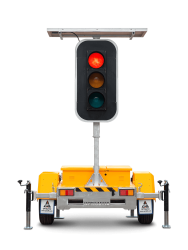



Choosing the right type of cables for an electronic traffic light setup ensures safety and efficiency. Each power cord must match the power cable’s ampacity, voltage, and insulation requirements. Technicians must select cables with proper certification for reliable performance. A power cord with the correct voltage rating prevents overheating. The right type of cables reduces the risk of failure in an electronic traffic light system. Power cable selection impacts the lifespan of cables and the entire power system. Every power cord must support the necessary power and voltage.
Using certified power cords and cables guarantees that the electronic traffic light operates safely at the correct voltage and power levels.
Understanding the Role of Power Cables in Electronic Traffic Lights
How power cables deliver electricity to the traffic light system
Power cables form the backbone of power distribution in every electronic traffic light system. These cables carry electricity from the main supply to the controller and then to each signal head. The process starts with determining the voltage and current requirements for the entire setup. Technicians calculate the total wattage by adding the power consumption of each light and controller. For example, if each signal uses 50 watts and there are six signals, the total wattage reaches 300 watts. The voltage rating of the system, often 120V or 240V, guides the selection of cables that can safely handle the load.
Ampacity, or the maximum current a cable can carry without overheating, plays a critical role. To calculate ampacity, divide the total wattage by the system voltage. For a 300-watt system at 120 volts, the current equals 2.5 amps. The chosen power cable must support this current, with a safety margin for unexpected surges. Proper power distribution ensures each electronic traffic light receives stable voltage and current, preventing flickering or failure.
The layout of the system also affects cable selection. A single intersection may use a centralized controller, while larger setups might distribute controllers across multiple locations. Longer cable runs increase resistance, which can cause a voltage drop. To maintain reliable power delivery, technicians often select thicker cables for longer distances. This approach minimizes energy loss and keeps voltage within safe limits for each electronic traffic light.
Tip: Always measure the distance from the power source to the farthest signal. Use this length to choose the correct cable size and prevent voltage drop.
Impact of power cable quality on performance and longevity
The quality of power cables directly influences the performance and lifespan of electronic traffic lights. High-quality cables use copper conductors that meet ASTM standards. These cables feature insulation made from materials like polyethylene or PVC, which resist sunlight and moisture. Such features protect the cables from harsh weather and physical damage, ensuring consistent power distribution.
Proper cable sizing and correct breaker ratings during installation protect both the power supply and the controller. When technicians follow these technical standards, the electronic traffic light system operates reliably for years. The use of certified cables, such as those recommended by OPTRAFFIC, helps maintain safety and efficiency. Reliable power cables reduce the risk of overheating, short circuits, and unexpected outages.
Technical data from inductive-loop detector systems in electronic traffic signals show how resistance, inductance, and capacitance affect energy delivery. For example, using #14 AWG wire with 100 feet of lead-in cable at 20 kHz frequency demonstrates how resistance and inductance combine to determine the quality factor. A higher quality factor means more efficient power delivery and less energy loss. These principles apply to all power cables in electronic traffic light systems, highlighting the need for careful selection and installation.
Common problems caused by inappropriate power cables
Using the wrong power cable can cause several issues in electronic traffic light systems. Undersized cables may overheat, leading to insulation failure or even fire. Excessive voltage drop can cause lights to dim or malfunction, disrupting traffic flow and safety. Poor-quality insulation may allow moisture to enter, resulting in corrosion or short circuits.
Improper power distribution can also lead to unbalanced loads. Load balancing ensures that each cable carries its fair share of the current. Without proper load balancing, some cables may become overloaded while others remain underused. This imbalance increases the risk of failure and shortens the lifespan of the entire system.
Inadequate cables may not meet certification standards, putting the electronic traffic light system at risk of non-compliance with local regulations. OPTRAFFIC recommends using only certified cables that match the voltage and current requirements of each installation. By following these guidelines, technicians can avoid common mistakes and ensure the long-term reliability of every electronic traffic signal.
Note: Always check for certification labels and follow installation guidelines to prevent costly repairs and downtime.
Key Factors to Consider When Choosing Power Cables
Cable Type and Material
Selecting the right type of power cable for an electronic traffic light system starts with understanding the conductor material. Copper and aluminum are the two most common choices. Copper cables offer lower resistance and higher conductivity. This means copper can carry more power over longer distances without significant voltage loss. Aluminum cables cost less and weigh less, but they have higher resistance. For most electronic traffic light installations, copper remains the preferred option because it ensures reliable power delivery and reduces the risk of overheating.
OPTRAFFIC recommends using copper conductors for critical applications like electronic traffic signals. Copper cables also provide better durability in harsh outdoor environments. When choosing a power cable, always check the material specification. The right material supports the system’s voltage and current needs, which helps maintain the safety and performance of every electronic traffic light.
Tip: Copper cables may cost more upfront, but they offer better long-term reliability for electronic traffic light systems.
Cable Size and Current Capacity
The size of a power cable, often measured by its American Wire Gauge (AWG), determines how much current it can safely carry. Thicker wires, which have a lower AWG number, offer less electrical resistance and greater strength. This makes them essential for longer cable runs or when the electronic traffic light system requires higher power. Choosing the correct cable gauge is critical for maintaining cable safety and preventing overheating.
To select the right cable size, calculate the total current load for the electronic traffic light setup. Divide the total wattage by the system voltage to find the current in amps. For example, a system using 300 watts at 120 volts draws 2.5 amps. Always choose a power cable that can handle more than the calculated current to provide a safety margin. This approach prevents cable failure and extends the lifespan of the electronic traffic light.
| AWG (Cable Gauge) | Maximum Current (Amps) | Typical Use Case |
|---|---|---|
| 14 | 15 | Short runs, low-power signals |
| 12 | 20 | Medium runs, standard signals |
| 10 | 30 | Long runs, high-power signals |
Note: Thicker cables reduce resistance and voltage drop, which is vital for the stable operation of electronic traffic lights.
Environmental Conditions
Environmental factors play a major role in power cable selection for electronic traffic light systems. Outdoor installations face exposure to sunlight, rain, temperature changes, and even chemicals from road treatments. Cables must have insulation that resists UV rays, moisture, and corrosion. PVC and XLPE are common insulation materials that protect cables in harsh conditions.
Electronic traffic light systems often operate in areas with wide temperature swings. The chosen power cable must have a temperature rating that matches the local climate. For example, cables with a higher temperature rating perform better in hot regions. OPTRAFFIC suggests using cables with robust insulation for intersections exposed to heavy rain or snow. This ensures the electronic traffic light continues to function safely and reliably.
Callout: Always inspect the installation site for environmental hazards before selecting a power cable.
Installation Environment
The installation environment affects both the type and routing of cables in an electronic traffic light system. Underground installations require cables with extra protection against moisture and physical damage. Overhead installations need cables that resist UV exposure and wind stress. The layout of the electronic traffic light system, including the distance between the power source and each signal, determines the required cable length and gauge.
Voltage drop becomes a concern for longer cable runs. As the distance increases, resistance in the power cable causes a reduction in voltage at the far end. To compensate, technicians use a thicker cable gauge. This practice maintains the correct voltage at each electronic traffic light and prevents dimming or malfunction. Calculating voltage drop involves considering the length of the cable, the current load, and the resistance of the conductor material.
Calculation Example:
Voltage Drop (V) = Current (A) × Resistance (Ohms) × Length (ft) / 1000
Keeping voltage drop below 3% ensures optimal performance for electronic traffic lights.
Proper planning for the installation environment also allows for future expansion. Technicians should leave extra capacity in the power cable to support additional electronic traffic signals if needed. OPTRAFFIC recommends reviewing local codes and standards before finalizing the cable selection.
Reminder: Never ignore the impact of installation conditions on cable performance. The right power cable ensures every electronic traffic light operates safely and efficiently.
Insulation and Environmental Protection

Insulation Types
Selecting the right insulation for a power cable is essential for every electronic traffic light installation. The most common insulation materials include PVC, XLPE, and rubber (EPR). Each material offers unique benefits for cables used in electronic traffic light systems. XLPE insulation provides higher dielectric strength and supports higher operating temperatures, reaching up to 90°C. This makes XLPE suitable for advanced electronic traffic light applications that demand long service life and higher current. PVC insulation, while less thermally robust, resists water and chemicals, making it a practical choice for general low-voltage power cable needs. Rubber insulation offers flexibility, which helps during installation in tight spaces, but it has lower thermal ratings. The National Electrical Code classifies these materials as thermoplastic (PVC) and thermosetting (XLPE, EPR). Thermosetting insulations maintain their shape under heat, providing a safety margin during temperature excursions. The Insulated Cable Engineers Association sets standards for short circuit protection, emphasizing the importance of insulation type in cable performance.
| Insulation Type | Long-term Operating Temperature | Short-circuit Max Conductor Temperature | Lifespan (approx.) | Combustion Characteristics |
|---|---|---|---|---|
| Rubber (EPR) | 65°C | N/A | N/A | N/A |
| PVC | 70°C | 160°C | ~20 years | Produces black smoke and toxic gases when burning |
| XLPE | 90°C | 250°C | ~40 years | Does not produce toxic halogen gases when burning |
Tip: OPTRAFFIC recommends XLPE-insulated power cables for electronic traffic light systems that require higher durability and longer service life.
Environmental Factors
Environmental conditions play a major role in the safety and reliability of power cables for electronic traffic light setups. Outdoor cables face exposure to sunlight, rain, chemicals, and physical damage. Proper cable protection ensures that cables resist moisture, UV rays, and corrosion. Field studies show that soil moisture and temperature changes can affect underground cable temperatures. For example, a study in Italy found that drying soil reduced heat dissipation, causing cable temperatures to rise by up to 26°C. This increase threatens cable joint integrity and insulation safety. Technicians must monitor and diagnose insulation health, especially in areas with seasonal changes. Saturated soil improves heat dissipation, while dry soil leads to heat buildup. These findings highlight the importance of choosing the right insulation and cable protection for each electronic traffic light installation.
- International standards such as IEC 60840 and IEC 62067 define test methods and maximum operating temperatures for extruded insulation cables like XLPE.
- Laboratory and field experiments confirm that soil moisture and temperature fluctuations impact insulation performance.
- Seasonal changes in temperature and soil moisture can stress cable insulation, affecting the safety of electronic traffic light systems.
- Medium and large-scale experiments validate the influence of environmental factors on cable insulation safety ratings.
Note: Always select power cables with robust cable protection to guard against environmental hazards in electronic traffic light and electronic traffic signal installations.
Temperature and Fire Ratings
Temperature and fire ratings determine the safety and performance of power cables in electronic traffic light systems. Each cable rating depends on the insulation material and installation environment. UL standards specify maximum safe operating temperatures for different insulation types. For example, XLPE-insulated cables can operate at 90°C, while PVC-insulated cables have a limit of 70°C. Flame tests such as UL 1666 and UL 1685 measure flame height, spread, and smoke release. These tests help assess the fire resistance of cables in utility tunnels and control rooms. Cone calorimeter tests provide data on heat release rate and time to ignition, which are critical for fire safety. FM 3972 and NFPA 262 evaluate flammability and smoke corrosivity, ensuring that cables meet strict safety standards.
- UL flame test standards include vertical and horizontal flame tests for different cable types.
- Temperature ratings are based on thermal aging, insulation resistance, and flammability testing.
- Additional UL criteria address outdoor exposure, UV resistance, and cable tray use.
- Low Smoke Zero Halogen (LSZH) cables reduce acid gas generation but require further fire safety testing.
Callout: OPTRAFFIC advises using power cables with high temperature and fire ratings for every electronic traffic light project to ensure long-term safety and compliance.
Compliance and Safety for Power Cables
Certifications and Standards
Every electronic traffic light system depends on strict certification to ensure safety and reliability. Power cord selection must always meet recognized safety certifications. UL and CSA provide the most widely accepted certification for power cord products in North America. These organizations test each power cord for fire resistance, insulation quality, and electrical performance. OPTRAFFIC recommends checking the UL Product iQ® database to verify certification status before installation. This database lists certified power cord products, components, and systems. UL also offers standards and testing services for lighting safety, including power cord and cable certification. Safety certifications help prevent hazards and guarantee that each power cord meets the requirements for electronic traffic light and electronic traffic signal systems.
- UL Product iQ® database allows users to verify power cord certification.
- UL and CSA offer safety certifications for power cord products.
- Certification ensures compliance with local and national codes.
IMSA Specifications
IMSA specifications set the standard for power cord use in electronic traffic light installations. IMSA Specification 50-2 covers loop detector lead-in cables, while IMSA 19-1 and 20-1 specify requirements for signal cables. These standards require polyethylene insulation, a 600-volt rating, and solid, multi-conductor copper wire. Iowa DOT Article 4185.12 also outlines insulation, voltage, and durability standards for power cord products. OPTRAFFIC follows these specifications to ensure every power cord in an electronic traffic light system meets rigorous safety and reliability criteria. IMSA standards also apply to tracer wire and communication cables, ensuring heat, water resistance, and electrical shielding.
- IMSA 50-2, 19-1, and 20-1 set requirements for power cord insulation and voltage.
- Iowa DOT Article 4185.12 ensures durability and safety.
- IMSA standards protect the integrity of electronic traffic light systems.
Grounding and Polarity
Proper grounding and bonding are essential for every power cord in an electronic traffic light system. Incorrect polarity or poor grounding and bonding can cause dangerous faults, shocks, or even fatalities. The following table shows real-world incidents caused by improper grounding and bonding in power cord installations:
| Incident Description | Location | Victim(s) | Cause/Issue | Outcome |
|---|---|---|---|---|
| 12-year-old girl shocked by in-ground electrical junction box | Salina, Kansas | Child | Contact voltage from faulty grounding | Death after months |
| Dog electrocuted by lamppost | Seattle, Washington | Dog | Insufficient grounding | Death |
| Three dogs shocked by manhole cover | New York City, NY | Dogs | Stray voltage | Injuries |
| Girl hospitalized after touching light pole | Manchester, Tennessee | Child | Faulty electrical infrastructure | Hospitalization |
| Dog electrocuted by faulty wire in pull box | Sarasota, Florida | Dog | Contact voltage from faulty wiring | Death |
| Puppy shocked by manhole cover | Chicago, Illinois | Dog | Stray voltage | Near fatal shock |
| Dogs electrocuted at apartment complex fence | Washington, D.C. | Dogs | Contact voltage, ignored complaints | Deaths |
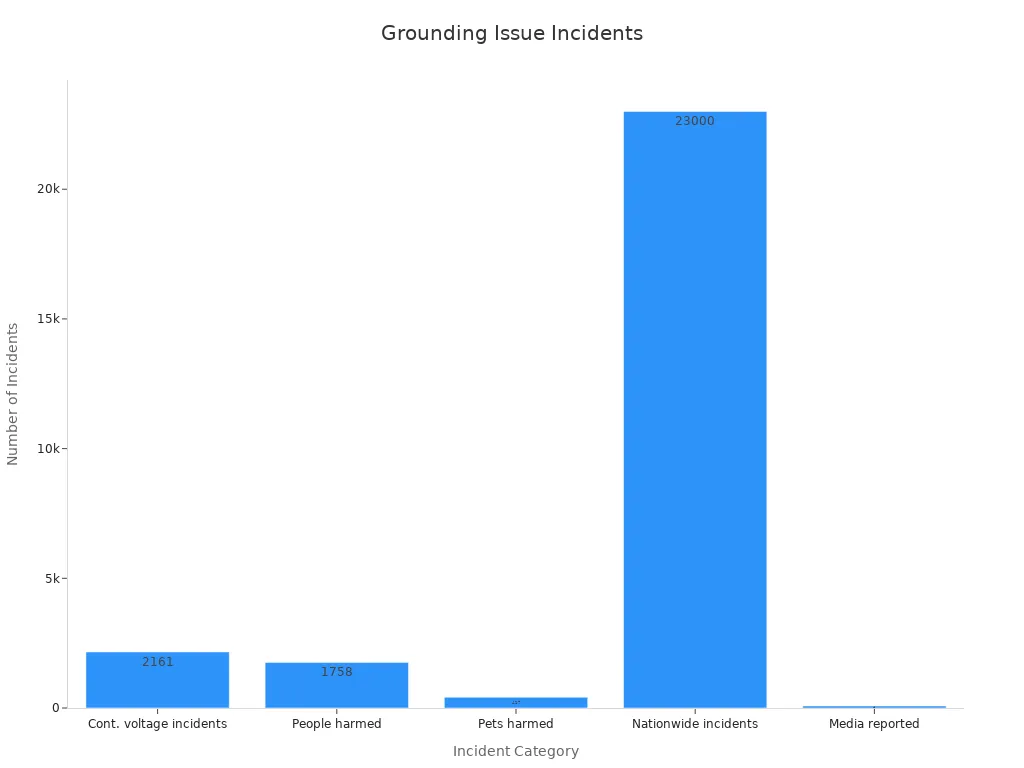
From 2007 to 2022, over 2,100 contact voltage incidents were reported in three states, with 1,758 harming people and 417 harming pets. Nationwide, an estimated 23,000 incidents occurred over 15 years. Most cases resulted from improper wiring, reversed polarity, insufficient grounding and bonding, or cable damage. OPTRAFFIC stresses the importance of correct grounding and bonding for every power cord in electronic traffic light and electronic traffic signal systems. Proper installation prevents stray voltage, protects lives, and ensures long-term system safety.
Tip: Always verify polarity and grounding and bonding for each power cord during installation to avoid dangerous faults.
Installation and Connection Best Practices
Cable Length and Routing
Accurate measurement of cable length is a key step in every electronic traffic light installation. Technicians should measure the distance from the power source to each signal, including all turns and elevation changes. Planning the route for each power cord helps avoid sharp bends and tight spaces. Good cable management keeps cables organized and reduces the risk of tangling or damage. When planning, technicians should allow extra length for future expansion or maintenance. Leaving a small amount of slack prevents tension on the cables and supports safe operation of the electronic traffic light system. Power cable management also involves grouping cables by function and labeling them for easy identification. This approach improves troubleshooting and supports best practices for using a power cord.
Connectors and End Finishing
Choosing the right connectors and finishing cable ends correctly ensures reliable power delivery to every electronic traffic light. Industry reports highlight several best practices for using a power cord and extension cord in these systems:
- Select connectors that match the electrical and environmental needs of the installation. Moisture-proof and corrosion-resistant connectors prevent failures in outdoor settings.
- Use proper clamps and cable ties made from materials that suit the environment. Correct sizing prevents wire damage.
- Maintain appropriate slack and bend radii, with a minimum bend of ten times the cable diameter, to protect cables from stress.
- Insulate and secure unused wires to prevent shorts.
- Minimize splicing, especially in high-vibration areas. When splicing is necessary, use self-insulated, environmentally sealed splices.
- Use proper insertion and extraction tools for connectors to maintain connection integrity.
- Follow environmental standards such as DO-160 to ensure connectors and cables withstand vibration, temperature extremes, and moisture.
Proper grounding and bonding of each power cord protect the electronic traffic light and electronic traffic signal from electrical faults. Secure connections help prevent power loss and reduce the risk of system failure. OPTRAFFIC recommends regular inspection of connectors and cable ends as part of routine maintenance.
Common Mistakes
Several common mistakes can compromise the safety and performance of an electronic traffic light system:
- Using an undersized power cord or extension cord increases the risk of overheating and fire.
- Failing to use adequate insulation exposes cables to moisture and physical damage.
- Ignoring certification requirements leads to non-compliance and potential hazards.
- Overlooking cable management results in tangled or damaged cables, making maintenance difficult.
- Using counterfeit connectors or low-quality extension cord products can cause unreliable power delivery.
- Not allowing for future expansion may require replacing a power cord or extension cord sooner than expected.
- Skipping regular inspections increases the chance of unnoticed wear or damage.
Technicians should always follow best practices for using a power cord and extension cord in electronic traffic light installations. OPTRAFFIC advises replacing a power cord or extension cord at the first sign of damage. Careful planning and attention to detail help ensure the long-term reliability of every electronic traffic light and electronic traffic signal.
Power Cord Selection Checklist
Step-by-Step Review
Selecting the right power cord for an electronic traffic light setup requires careful attention to detail. The following checklist helps technicians and installers ensure every electronic traffic light and electronic traffic signal operates safely and efficiently:
- Identify System Requirements
Determine the voltage and current needs for each electronic traffic light. Calculate the total wattage for the system. - Choose the Correct Cable Size
Select cables with the appropriate gauge based on ampacity and distance. Use thicker cables for longer runs to minimize voltage drop. - Select Conductor Material
Copper remains the preferred choice for most electronic traffic light installations. It provides better conductivity and durability than alternatives. - Check Insulation Type
Match the insulation material to the installation environment. For outdoor or underground setups, use cables with UV, moisture, and chemical resistance. - Verify Certifications
Ensure every power cord meets UL, CSA, and IMSA standards. Certified power cord products guarantee compliance and safety for electronic traffic light systems. - Plan Cable Routing
Measure the exact length needed for each power cord. Avoid sharp bends and allow extra slack for maintenance or future expansion. - Inspect Connectors and End Finishing
Use moisture-proof connectors and secure all cable ends. Proper finishing prevents faults in the electronic traffic light system. - Confirm Grounding and Polarity
Double-check grounding and polarity for each power cord. Proper installation prevents dangerous faults in electronic traffic light and electronic traffic signal setups.
Tip: Always document each step and keep records for future reference. This practice supports long-term reliability for every electronic traffic light.
When to Consult a Professional
Some electronic traffic light projects require expert guidance. Consult a licensed electrician or an OPTRAFFIC-certified technician in these situations:
- The power cord requirements exceed standard residential or commercial ratings.
- The installation involves complex routing, such as multiple intersections or underground cables.
- The electronic traffic light system shows signs of voltage drop, overheating, or frequent faults.
- Local codes or regulations require professional certification for power cord installation.
- There is uncertainty about cable selection, certification, or safety standards.
Note: Professional support ensures every power cord and cable meets the highest safety and performance standards for electronic traffic lights and electronic traffic signal systems.
Selecting the right power cord for an electronic traffic light setup protects both safety and performance. Every power cord must match the system’s voltage and current needs. Technicians should always check certifications before installing a power cord. Using the checklist helps prevent mistakes with each power cord. For complex projects, a professional can recommend the best power cord. Following standards ensures every power cord supports reliable operation. OPTRAFFIC reminds readers that a quality power cord keeps every electronic traffic light and electronic traffic signal running safely.
FAQ
What is the best way to determine the correct power cord length for an electronic traffic light setup?
Technicians measure the distance from the power source to each electronic traffic light. They add extra length for routing and future maintenance. This approach ensures the power cord fits the installation and supports reliable operation.
Can a standard household power cord be used for an electronic traffic light system?
A standard household power cord does not meet the requirements for an electronic traffic light or electronic traffic signal. OPTRAFFIC recommends using cables with proper certification and insulation designed for outdoor and high-demand environments.
How often should technicians inspect or replace the power cord in an electronic traffic light installation?
Technicians should inspect each power cord during routine maintenance. They look for signs of wear, damage, or overheating. OPTRAFFIC advises replacing any power cord that shows visible defects to maintain safety and system reliability.
Why is certification important when selecting a power cord for electronic traffic lights?
Certification ensures the power cord meets safety and performance standards. Certified products reduce the risk of faults and failures in electronic traffic light systems. OPTRAFFIC only recommends certified cables for every installation.
What should technicians do if the power cord gets damaged during installation?
Technicians must replace any damaged power cords immediately. Using a damaged cable can cause faults or failures in the electronic traffic light system. OPTRAFFIC stresses the importance of using only undamaged, certified cables for all electronic traffic signal projects.
Your Reliable Traffic Safety Equipment Partner
One-Stop Solution for Traffic Safety Equipment, since 2008, at OPTRAFFIC, we are more than just a manufacturer, we are your all-in-one for traffic safety solutions. We focus on innovation through our dedicated R&D team and uphold strict quality controls to ensure the durability and reliability of our products. Our equipment has been used in major global events, including the Beijing and London Olympic Games, and projects like the Sydney New Airport.
To serve our international customers effectively, we have established a network of local distributors in countries such as Canada, New Zealand, Australia, Ireland, and the Netherlands, ensuring prompt and efficient service worldwide.




Lighting First or Recording First? CCTV-Ready Light Tower vs Camera Trailer for Integrators and Hire Fleets
CCTV-ready light tower vs camera trailer: compare whose camera runs, which load gets night power, and how hire fleets use one unit for two jobs.
VMS Trailers for Renewable Energy Zone Construction: Oversize Deliveries, Detours and Community Notice
How VMS trailers support renewable energy zone construction: oversize delivery warnings, detours, night moves and community notice on REZ routes.
Imported vs Australian-Built VMS Trailers: Where Each Has the Edge
Imported vs Australian-built VMS trailers: where each has a real advantage, what compliance requires of both, and how to choose for your fleet.
What Should a VMS Trailer Quote Include in Australia? Line Items to Compare Before You Sign
What should a VMS trailer quote include? Ten line items to compare, from delivery and registration to software fees, warranty and local spare parts.
When to Order VMS Trailers for Bushfire Season: A Region-by-Region Guide for Australian Hire Fleets
When to order VMS trailers for bushfire season: a region-by-region guide for hire fleets, with order-by months, stock top-ups and pre-season checks.
What Makes a VMS Trailer Mine-Spec? Site Entry Requirements for Western Australian Mine Sites
Mine-spec VMS trailer requirements under WA’s 2026 mine traffic code: visibility, ID, isolation, documents and how to order a unit that passes site entry.