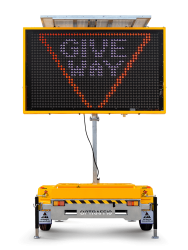
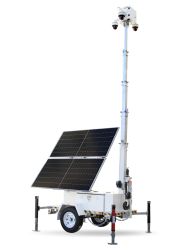
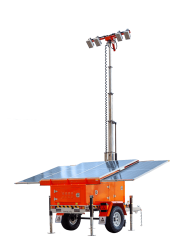
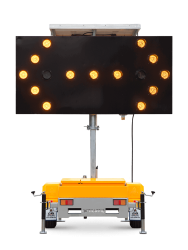
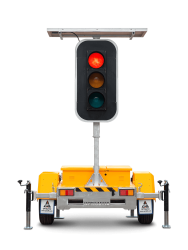
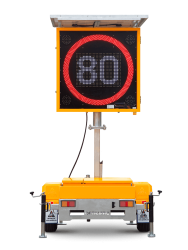
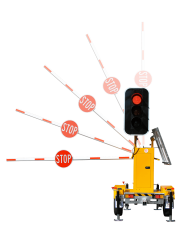



In the realm of construction, safety reigns supreme. The statistics paint a grim picture: portable traffic signals are indispensable tools in mitigating risks and ensuring the well-being of workers and drivers alike. These advanced systems offer adaptability, cost-effectiveness, and enhanced traffic control where traditional methods fall short. This blog delves into the pivotal role of portable traffic signals in revolutionizing safety practices within construction zones.
The Importance of Safety in Construction Zones
Construction safety expert witnesses should have knowledge in construction regulations, safety protocols, and risk management. Portable traffic signals play a crucial role in ensuring safety within construction zones by mitigating risks for both workers and drivers.
Risks in Construction Zones
Construction zones expert witnesses and consultants listed here may be able to form expert opinions, draft expert witness reports, provide expert witness testimony at deposition and/or trial as or serve as consulting (non-testifying) experts on construction zones. Worker Safety is a top priority in any construction environment. Ensuring the well-being of those working on-site is paramount to prevent accidents and injuries. Driver Safety is equally important, as road users must navigate through construction areas safely.
Traditional Traffic Control Methods
Construction zones require effective traffic control measures to maintain order and safety. Human Flaggers have been a common sight in directing traffic flow manually. However, relying solely on human intervention can lead to errors and delays. Static Traffic Signs provide essential information to drivers but lack the adaptability needed for dynamic construction environments.
Need for Modern Solutions
Innovations like portable traffic signals offer a more efficient and reliable alternative to traditional methods. These systems leverage technological advancements to streamline traffic flow and enhance safety measures. Their automated features reduce the margin for human error, ensuring consistent performance.
Benefits of Portable Traffic Signals
Enhancing safety in construction zones is paramount, and portable traffic signals play a pivotal role in achieving this goal. These advanced systems offer a range of benefits that contribute to the overall efficiency and effectiveness of traffic control measures.
Reduced Worker Risk
Implementing portable traffic signals significantly reduces the risk for workers in construction zones. By automating traffic flow management, these systems eliminate the need for manual intervention, minimizing the potential dangers associated with directing vehicles in high-traffic areas.
Improved Driver Awareness
Portable traffic signals enhance driver awareness by providing clear and consistent signals that guide them through construction zones. With improved visibility and predictable traffic patterns, drivers can navigate through work areas with confidence, reducing the likelihood of accidents or delays.
Cost-Effectiveness
The cost-effectiveness of portable traffic signals makes them a valuable investment for construction projects. By lowering operational costs and offering long-term savings, these systems provide an efficient alternative to traditional traffic control methods. The reduction in labor expenses and increased efficiency contribute to significant cost savings over time.
Versatility and Reliability
The adaptability of portable traffic signals to various conditions makes them a versatile solution for managing traffic in dynamic construction environments. Whether facing inclement weather or changing road configurations, these systems can adjust seamlessly to ensure continuous operation. Their reliability in maintaining consistent traffic flow enhances safety and efficiency on construction sites.
Specific Case Studies on Portable Traffic Signals
Case Studies:
- Improved Safety: A case study highlighted how the implementation of portable traffic signals led to a significant improvement in work zone safety.
- Efficiency Boost: Another study demonstrated how portable traffic signals enhanced traffic efficiency during roadwork projects.
- Cost Savings: A third case study showcased the long-term cost savings achieved by using portable traffic signals in construction zones.
Features of Effective Portable Traffic Signals
Durability and Reliability
Portable traffic signals are engineered with durability and reliability in mind to withstand the rigors of construction environments. These systems boast high wind resistance capabilities, ensuring stable operation even in adverse weather conditions. Their long design life guarantees extended functionality, providing a sustainable and cost-effective solution for traffic control needs.
Automated Systems
The integration of automated systems in portable traffic signals revolutionizes traffic flow management within construction zones. By leveraging advanced technology, these systems autonomously adjust signal timings based on real-time traffic volume and patterns. This automation reduces the reliance on manual intervention, minimizing the potential for human error and optimizing overall traffic efficiency.
Ease of Installation and Use
The user-friendly design of portable traffic signals simplifies their installation and operation, making them an ideal choice for dynamic work environments. With quick setup features, these systems can be deployed rapidly at various locations without extensive manual labor. Additionally, their intuitive interfaces enhance usability for operators, ensuring seamless control and monitoring capabilities.
- Portable traffic signals are indispensable tools for ensuring smooth vehicular movement in dynamic environments.
- Investing in portable traffic signals prioritizes the well-being of construction workers and drivers, creating safer roads.
- Portable traffic signals are essential for addressing temporary traffic control requirements effectively.
- Portable traffic signals provide a safer alternative to traditional traffic control devices.
- Portable temporary traffic signals are user-friendly products that enhance safety on busy construction sites.


What to Check Before Buying 500 Portable Changeable Message Signs: 7 Batch Delivery Checks for Rental Fleets
What to check before buying 500 portable changeable message signs: one build across batches, spares, DDP delivery and per-shipment tests.
How to Plan Message Signs for Weekend Highway Closures: Lessons from Atlanta’s I-285 Westside Closures
How to plan message signs for weekend highway closures: 5 steps, a 48-hour checklist and fleet control lessons from Atlanta’s I-285 closures.
Does EN 12966 Apply to LED Modules? What the Standard Covers and What a Datasheet Cannot Prove
Does EN 12966 apply to LED modules? See what the standard covers, what a module datasheet proves and 5 questions to ask a supplier.
Build vs Buy a Vehicle-Mounted Message Sign: What Fleets and Integrators Should Check
Build vs buy a vehicle-mounted message sign? Compare compliance, controls, mounting and support before you choose.
Work Zone Speed Feedback Trailer Placement: Where to Set It Up and When to Move It
Work zone speed feedback trailer placement explained: where DOT rules and research say to set the trailer, when to move it and what fleets must log.
WZDx Device Feed Requirements: What Work Zone Contractors and Hire Fleets Must Supply
WZDx device feed requirements explained for contractors and hire fleets: what the feed holds, what DOT specs ask for and how to prepare equipment.