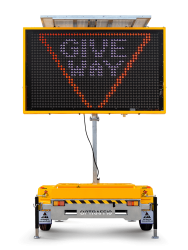
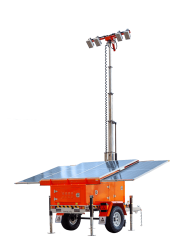
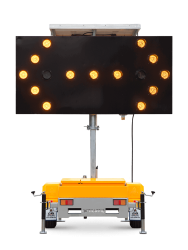
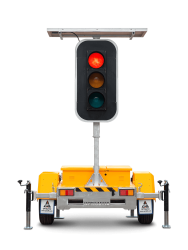
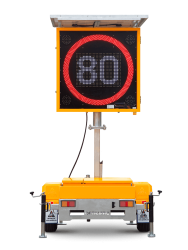
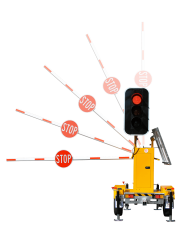
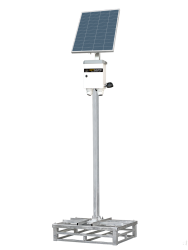



Evaluation of traffic control devices is crucial for ensuring road safety and efficiency. In this blog, we will provide insights into two innovative solutions: Portable Boom Gates and Boom Gate Trailers with Traffic Signals. By understanding their features and functionalities, readers can compare Portable Boom Gates and Boom Gate Trailers with Traffic Signals to make informed decisions when choosing the right device for their specific needs.
Functionality and Features
Portable Boom Gate
Portable boom gates offer a range of key features that enhance traffic control efficiency. These gates are equipped with LED lights for clear visibility, ensuring smooth traffic flow. The operational mechanism of portable boom gates involves a simple yet effective process. When a vehicle approaches, the gate rises vertically to restrict access, providing a secure barrier.
Boom Gate Trailer with Traffic Signal
The key features of boom gate trailers with traffic signals cater to versatile traffic management needs. These trailers are compact and easily deployable in various settings. Their operational mechanism involves synchronized traffic lights that guide vehicles effectively through designated paths, promoting safety and order on the road.
Compare Portable Boom Gate and Boom Gate Trailer with Traffic Signal
When comparing the two devices, efficiency is a crucial factor to consider. Portable boom gates excel in rapid deployment scenarios where immediate traffic control is required. On the other hand, boom gate trailers with traffic signals offer enhanced visibility and guidance for complex traffic patterns.
Portability and Setup
Portable Boom Gate
The OPPTRAFFIC® device is engineered for easy operation and exceptional stability. Its portability allows for seamless transport to various locations without the need for additional tools. The setup process is straightforward, with a fast assembly that does not require any tools. Additionally, the device boasts a long battery life, ensuring prolonged functionality even in remote areas. Moreover, it can withstand high wind speeds, making it a reliable choice for outdoor settings.
Ease of Transport
- Lightweight design for effortless movement
- Compact size for convenient transportation
Setup Process
- Tool-free assembly for quick deployment
- User-friendly interface for easy operation
Boom Gate Trailer with Traffic Signal
The Boom Gate Trailer offers unparalleled convenience in traffic management solutions. Its ease of transport makes it an ideal choice for temporary work zones or events requiring rapid deployment. The setup process is efficient and hassle-free, allowing users to establish traffic control measures promptly.
Ease of Transport
- Mobile design for on-the-go traffic control
- Versatile applications in various settings
Setup Process
- Quick installation without complex procedures
- Synchronized traffic lights for effective guidance
Compare Portable Boom Gate and Boom Gate Trailer with Traffic Signal
Mobility
The OPTRAFFIC® device excels in mobility due to its lightweight construction and compact size, enabling swift relocation as needed. In contrast, the Boom Gate Trailer’s mobile design offers flexibility in managing traffic flow efficiently across different locations.
Installation Time
Setting up the OPTRAFFIC® is a quick and straightforward process that requires minimal effort. On the other hand, the Boom Gate Trailer’s synchronized traffic lights ensure rapid installation without compromising on effectiveness.
Application Scenarios
Portable Boom Gate
Ideal Use Cases
- Construction Sites: Providing temporary access control at construction sites to ensure safety and regulate vehicle entry.
- Event Management: Managing traffic flow during events or festivals to prevent congestion and maintain order.
- Parking Facilities: Controlling entry and exit points in parking lots for efficient vehicle management.
Limitations
- Limited Reach: Portable boom gates may not be suitable for wide entrances or areas requiring extended coverage.
- Weather Sensitivity: Adverse weather conditions like strong winds or heavy rain can affect the operation of portable boom gates.
- Power Dependency: These devices rely on power sources, which may limit their functionality in remote locations.
Boom Gate Trailer with Traffic Signal
Ideal Use Cases
- Road Work Zones: Directing traffic around road maintenance areas with clear visual signals for enhanced safety.
- School Crossings: Ensuring safe pedestrian crossings near schools by controlling vehicle speed and providing clear guidance.
- Emergency Situations: Facilitating smooth traffic flow during emergencies by quickly deploying traffic control measures.
Limitations
- Space Constraints: Boom gate trailers may require sufficient space for deployment, limiting their use in compact urban settings.
- Complex Maintenance: The integration of traffic signals may require specialized maintenance, increasing operational costs.
- Regulatory Compliance: Adhering to local regulations regarding the placement and operation of trailer-mounted traffic signals is essential.
Compare Portable Boom Gate and Boom Gate Trailer with Traffic Signal
Versatility
Portable boom gates offer flexibility in temporary setups, making them ideal for short-term traffic control needs. In contrast, boom gate trailers with traffic signals provide a comprehensive solution for long-term applications requiring continuous traffic management.
Suitability for Different Environments
Portable Boom Gates are well-suited for dynamic environments that require frequent repositioning of traffic control devices. On the other hand, Boom Gate Trailers excel in static environments where consistent traffic guidance is essential for prolonged periods.
- Customer testimonials praise the reliability and versatility of these traffic control devices, emphasizing their effectiveness in ensuring road safety.


Work Zone Speed Feedback Trailer Placement: Where to Set It Up and When to Move It
Work zone speed feedback trailer placement explained: where DOT rules and research say to set the trailer, when to move it and what fleets must log.
WZDx Device Feed Requirements: What Work Zone Contractors and Hire Fleets Must Supply
WZDx device feed requirements explained for contractors and hire fleets: what the feed holds, what DOT specs ask for and how to prepare equipment.
Smart Work Zone Equipment: What Hire Fleets and Contractors Need for DOT Projects
Smart work zone equipment explained for hire fleets and contractors: what DOTs specify, what each device reports and how to prepare a fleet for bids.
How to Display Travel Times on Portable Message Boards: Data, Format and Rules for Hire Fleets
How to display travel times on portable message boards: data sources, platform integration, MUTCD phase rules and a go-live checklist for hire fleets.
Wanco Message Boards With Other Traffic Software: 3 Ways Hire Fleets Still Win the Tender
Wanco message boards with other traffic software: three ways hire fleets still bid when a city tender names the Optraffic Web System or another platform.
Variable Message Sign Software Integration: What Hire Fleets Do When a Tender Names Another Platform
Variable message sign software integration for hire fleets: what to do when a tender names a platform your mixed-brand VMS trailer fleet cannot run.