




Maximum Power Point Tracking (MPPT) represents a critical advancement in photovoltaic (PV) systems. MPPT technology optimizes the performance of solar panels by constantly tracking the maximum power point, significantly increasing the efficiency of solar power systems. Modern technology relies heavily on MPPT to enhance energy conversion and ensure system stability. Traffic equipment, such as light towers and traffic lights, benefits from MPPT by improving reliability and reducing operational costs.
Understanding MPPT
Definition and Basic Principles
What is MPPT?
Maximum Power Point Tracking (MPPT) represents a technique used in photovoltaic (PV) systems to optimize the power output from solar panels. MPPT technology continuously tracks the maximum power point, leading to higher efficiency in solar power systems. The primary goal involves matching the solar array with the battery bank or utility grid by converting higher voltage DC output from solar panels to the lower voltage needed to charge batteries.
How MPPT Works
MPPT controllers optimize the power output from solar panels by continuously adjusting the operating point to the maximum power point. These controllers act as a “smart DC-DC converter,” drawing current from the solar panel at the panel’s maximum power voltage. This process ensures efficient power conversion and maximizes energy extraction under varying conditions such as changes in solar irradiation and temperature.
Types of MPPT Techniques
Perturb and Observe
The Perturb and Observe technique involves periodically perturbing the operating voltage of the PV system and observing the resulting change in power output. If the power increases, the perturbation continues in the same direction. If the power decreases, the perturbation reverses direction. This method is simple and widely used but can sometimes lead to oscillations around the maximum power point.
Incremental Conductance
The Incremental Conductance technique calculates the derivative of the power with respect to voltage and compares it to the instantaneous conductance. When the derivative equals zero, the maximum power point has been reached. This method provides more accurate tracking than the Perturb and Observe technique, especially under rapidly changing environmental conditions.
Other Techniques
Other MPPT techniques include:
- Constant Voltage Method: Maintains the PV array voltage at a fixed value close to the maximum power point.
- Temperature Method: Adjusts the operating point based on temperature variations.
- Artificial Intelligence Methods: Utilizes algorithms like fuzzy logic and neural networks for more precise tracking.
Each technique offers unique advantages and can be selected based on specific application requirements and environmental conditions.
Role of MPPT in Traffic Equipment
Integration in Traffic Equipment
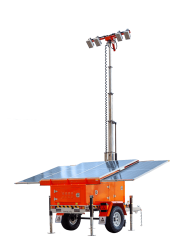
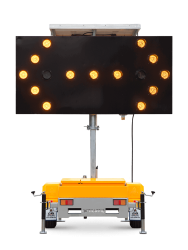
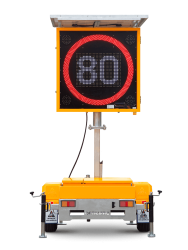
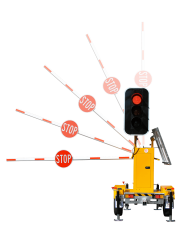
MPPT technology can be integrated into various types of traffic equipment to enhance performance and efficiency. Light towers equipped with solar panels can use MPPT controllers to maximize energy extraction, ensuring consistent illumination even under fluctuating weather conditions. Traffic lights powered by solar energy can benefit from MPPT by maintaining optimal power levels, reducing the likelihood of outages. Speed signs, often located in remote areas, can rely on MPPT to ensure reliable operation by efficiently managing the power generated from solar panels.

Benefits to Traffic Management Systems
Reliability and Consistency
MPPT enhances the reliability and consistency of traffic management systems. By continuously tracking the maximum power point, MPPT ensures that solar panels operate at their highest efficiency. This capability is crucial for traffic equipment that requires uninterrupted power, such as traffic lights and speed signs. The ability to maintain consistent power levels reduces the risk of equipment failure and enhances overall system reliability.
Cost Savings
Implementing MPPT in traffic equipment leads to significant cost savings. MPPT technology optimizes the power output from solar panels, reducing the need for additional energy sources. This optimization results in lower operational costs and decreased reliance on grid power. The reduction in energy consumption translates to financial savings for municipalities and organizations responsible for traffic management.
Operational Benefits
MPPT provides several operational benefits for traffic management systems. The technology improves energy conversion efficiency, ensuring that traffic equipment operates effectively even under varying environmental conditions. MPPT controllers adapt to changes in solar irradiation and temperature, maintaining optimal performance. This adaptability is particularly valuable for traffic equipment exposed to outdoor elements. Additionally, MPPT contributes to the longevity and reliability of solar power systems, reducing maintenance requirements and extending the lifespan of traffic equipment.
Advantages of MPPT in Solar Power Systems
Efficiency Improvement
MPPT technology significantly enhances the efficiency of solar power systems. By continuously tracking the maximum power point, MPPT ensures that solar panels operate at their optimal performance level. This process leads to a substantial increase in energy conversion efficiency. Studies have shown that MPPT systems can extract up to 30% more power compared to non-MPPT systems. The ability to adapt to varying weather conditions further boosts the efficiency of MPPT controllers.
Energy Harvesting
MPPT plays a crucial role in maximizing energy harvesting from solar panels. The technology adjusts the load characteristic as conditions change, ensuring that the solar array operates at its maximum power point. This capability is essential for optimizing energy extraction under different environmental conditions. Intelligent MPPT techniques, such as Artificial Neural Networks (ANN), demonstrate superior tracking capabilities, particularly under rapidly changing weather conditions. These advanced methods minimize steady-state oscillation and enhance overall system performance.
Longevity and Reliability
MPPT contributes to the longevity and reliability of solar power systems. By maintaining optimal operating conditions, MPPT reduces the stress on solar panels and other system components. This reduction in stress leads to a longer lifespan for the equipment. Additionally, MPPT controllers ensure consistent power output, which enhances the reliability of the entire system. Hybrid MPPT techniques, which combine multiple tracking methods, offer improved stability and accuracy. These techniques are particularly beneficial for complex applications susceptible to output power fluctuations.
Future Trends and Innovations
Emerging Technologies
MPPT technology continues to evolve with advancements in artificial intelligence (AI) and machine learning. Researchers have made significant progress in applying AI-based techniques for MPPT. These techniques improve the reliability and efficiency of photovoltaic (PV) systems. Machine learning algorithms, especially neural networks, predict the optimal operating point for PV panels. This predictive capability enhances energy extraction and system stability.
Hybrid MPPT methods combine traditional techniques with AI algorithms. These methods offer improved tracking accuracy and faster response times. The integration of AI reduces the oscillations around the maximum power point. This reduction leads to more stable and efficient solar power systems.
Expert Testimony:
“In recent times, there have been significant progressions in applying Artificial Intelligence (AI)-based techniques for MPPT due to their potential to significantly improve the reliability and efficiency of MPPT in PV systems.”
The use of AI in MPPT represents a promising development. These advancements pave the way for more intelligent and adaptive solar power systems.
Potential Developments
Future developments in MPPT technology focus on enhancing efficiency and reducing costs. Researchers aim to improve the conventional Perturb and Observe (P&O) algorithm. Enhancing this cost-effective method will increase its efficiency and tracking stability. This improvement will make MPPT technology more accessible for various applications.
Expert Testimony:
“To minimize the cost of MPPTs, further research should be conducted on improving the efficiency and tracking stability of the already existing conventional P&O algorithm, which is cost-effective.”
Emerging technologies also explore the integration of MPPT with other renewable energy sources. Hybrid systems combining solar and wind power benefit from advanced MPPT techniques. These systems optimize energy extraction from multiple sources, increasing overall efficiency.
The future of MPPT technology holds exciting possibilities. Continuous research and innovation drive the development of more efficient and reliable solar power systems. These advancements contribute to the broader adoption of renewable energy solutions.





Lighting First or Recording First? CCTV-Ready Light Tower vs Camera Trailer for Integrators and Hire Fleets
CCTV-ready light tower vs camera trailer: compare whose camera runs, which load gets night power, and how hire fleets use one unit for two jobs.
VMS Trailers for Renewable Energy Zone Construction: Oversize Deliveries, Detours and Community Notice
How VMS trailers support renewable energy zone construction: oversize delivery warnings, detours, night moves and community notice on REZ routes.
Imported vs Australian-Built VMS Trailers: Where Each Has the Edge
Imported vs Australian-built VMS trailers: where each has a real advantage, what compliance requires of both, and how to choose for your fleet.
What Should a VMS Trailer Quote Include in Australia? Line Items to Compare Before You Sign
What should a VMS trailer quote include? Ten line items to compare, from delivery and registration to software fees, warranty and local spare parts.

When to Order VMS Trailers for Bushfire Season: A Region-by-Region Guide for Australian Hire Fleets
When to order VMS trailers for bushfire season: a region-by-region guide for hire fleets, with order-by months, stock top-ups and pre-season checks.
What Makes a VMS Trailer Mine-Spec? Site Entry Requirements for Western Australian Mine Sites
Mine-spec VMS trailer requirements under WA’s 2026 mine traffic code: visibility, ID, isolation, documents and how to order a unit that passes site entry.