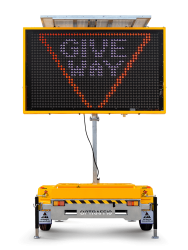
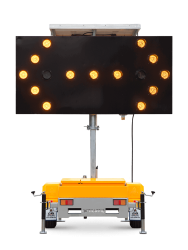
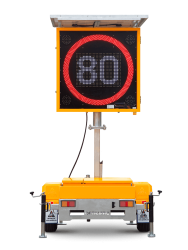



LED speed limit signs require regular attention to maintain clear visibility and long-term function. Technicians achieve proper cleaning by using only soft cloths and manufacturer-approved solutions. Before starting, they always power off the screen and disconnect the sign to prevent electrical risks. This approach protects the LED display screen from scratches or moisture damage. Consistent care ensures drivers see accurate information at all times.
Why Cleaning LED Speed Limit Signs Matters
Maintaining LED Display Screen Visibility
Preventing dirt build-up on clean LED screen
Dirt and dust often collect on the surface of an LED display screen. Regular cleaning and dust prevention remove these particles before they can obscure the sign. Technicians use soft brushes or microfiber cloths to gently wipe away debris. This simple step keeps the screen clear and bright.
Ensuring clear speed limit display for drivers
Drivers rely on LED speed limit signs to provide accurate information. A clean transparent LED screen ensures that numbers and symbols remain visible in all weather conditions. When the display is free from smudges or grime, drivers can react quickly and safely to speed limits.
Supporting compliance with road safety regulations
Authorities require clear and legible speed limit signs to meet road safety standards. Proper cleaning helps maintain compliance by preventing faded or unreadable displays. This supports safer roads and reduces the risk of accidents caused by unclear signage.
Tip: Schedule routine cleaning for flashing LED speed limit sign installations to maintain maximum visibility, especially in high-traffic or dusty environments.
Extending the Life of LED Speed Limit Signs
Reducing risk of permanent damage to LED display screen
Dust and moisture can cause long-term harm to the sensitive components inside speed limit LED signs. Consistent cleaning prevents build-up that may lead to corrosion or electrical faults. Battery maintenance also plays a key role, as corrosion or overcharging can shorten the lifespan of solar LED speed limit signs.
Minimising costly repairs and replacements
Neglecting cleaning and dust prevention often results in expensive repairs. When technicians remove dirt regularly, they help avoid issues that could require replacement parts or entire units. This approach saves both time and resources for operators.
Preserving optimal performance of clean transparent LED screens
Routine cleaning and annual professional inspections keep LED speed limit signs working at their best. Stable power supply and controlled humidity levels between 30% and 60% further protect the display. OPTRAFFIC recommends these practices to ensure reliable operation and long-lasting performance.
| Maintenance Task | Benefit |
|---|---|
| Cleaning and dust prevention | Clear display, less damage |
| Battery care | Longer operational life |
| Professional inspection | Early detection of problems |
Essential Tools and Materials for Cleaning LED Display Screens
Safe Cleaning Tools for LED Speed Limit Signs
Soft microfiber cloths or anti-static wipes
Technicians select a soft microfiber cloth or anti-static wipe for cleaning. These materials lift dust and dirt without scratching the surface. Microfiber traps particles, making it ideal for cleaning flexible led screens and other sensitive displays.
Lint-free gloves for handling clean LED screen
Lint-free gloves prevent fingerprints and smudges during cleaning. They also protect the LED display screen from oils and dirt that may transfer from hands. This step helps maintain the clarity of clean flexible led screens.
Small soft brush for edges and corners
A small, soft brush reaches into the edges and corners of the LED display screen. It removes debris that a cloth might miss. This tool proves essential for thorough cleaning, especially for flashing led speed limit sign installations.
Approved Cleaning Solutions for LED Display Screen
Distilled water to avoid mineral stains
Distilled water works well for cleaning led displays. It leaves no mineral stains and, when applied to a microfiber cloth, gently removes streaks. Technicians spray the solution onto the cloth, not directly on the screen, to avoid moisture damage.
Isopropyl alcohol (70% or less, if approved for your model)
For stubborn spots, isopropyl alcohol wipes offer an effective solution. Some manufacturers, including OPTRAFFIC, approve 70% isopropyl alcohol for cleaning. However, always check the manual before use. This method helps maintain the integrity of clean flexible led screens.
Manufacturer-recommended non-abrasive cleaning solutions
OPTRAFFIC recommends using only non-abrasive cleaning solutions approved for speed limit led signs. These solutions protect the screen coating and ensure long-term performance.
Spray bottles for controlled application (never spray directly)
Spray bottles allow for controlled application of cleaning solutions. Technicians spray onto the cloth, never directly onto the LED display screen, to prevent liquid from seeping into the device.
Items and Substances to Avoid When Cleaning
Ammonia-based or harsh chemical cleaners
Ammonia, ethyl alcohol, acetone, and ethyl chloride can cause yellowing or permanent damage to the screen.
Manufacturers warn against these chemicals, as they degrade the delicate coating on LED displays.
Paper towels or rough fabrics
Paper towels and rough cloths scratch the screen surface.
Abrasive materials may leave permanent marks on clean flexible led screens.
Direct spraying onto the LED display screen
Spraying liquid directly onto the screen risks moisture entering the edges or ports.
Excess moisture can cause internal damage and reduce the lifespan of OPTRAFFIC speed limit led signs.
Compressed air with moisture content
Compressed air containing moisture may introduce water into the device.
This can lead to corrosion or electrical faults in solar led speed limit signs.
Note: Always follow OPTRAFFIC’s cleaning guidelines to protect your investment and ensure the best performance from your LED speed limit signs.
Safety Precautions Before Cleaning LED Speed Limit Signs
Electrical and Power Safety for LED Display Screen
Switch off the LED speed limit sign completely
Technicians always switch off the LED speed limit sign before starting any cleaning task. This step prevents electrical shocks and protects the sensitive components inside the display. Powering down the sign also reduces the risk of accidental short circuits during cleaning.
Disconnect from mains or solar power sources
After switching off the sign, they disconnect it from all power sources. This includes both mains electricity and solar panels for solar led speed limit signs. Removing all power connections ensures that no residual current remains, which could cause harm or damage the equipment.
Allow the LED display screen to cool before cleaning
LED display screens can become warm during operation. Technicians allow the screen to cool fully before cleaning. This practice prevents thermal shock, which could crack the screen or damage internal parts. A cool surface also helps cleaning solutions evaporate evenly, reducing the chance of streaks.
Roadside and Personal Safety During Cleaning
Wear high-visibility clothing and PPE
Workers wear high-visibility clothing and personal protective equipment (PPE) to increase their safety. Reflective vests and gear make them more visible to drivers, especially in low light or busy traffic. PPE also protects against dust and cleaning solutions.
Use safety cones or signage to alert traffic
Technicians place safety cones and warning signs around the work area. These tools create a clear boundary between the cleaning zone and moving vehicles. Safety cones and traffic equipment act as both physical and visual barriers, guiding traffic safely and alerting drivers to slow down. Construction signs further communicate hazards and changes in road conditions, reducing the risk of accidents.
- PPE such as reflective vests reduces accidents by increasing worker visibility.
- Safety cones separate work zones from active traffic.
- Construction signs help drivers notice hazards and adjust their speed.
- Reflective gear and signage improve safety during poor visibility or heavy traffic.
Note: Traffic cones and barricades are essential for roadside operations, including cleaning LED signs. They provide clear warnings, guide traffic, and protect workers by marking work zones and creating safe boundaries.
Work in pairs for added safety when cleaning
Technicians often work in pairs when cleaning OPTRAFFIC LED speed limit signs. One person can focus on cleaning protocols, while the other monitors traffic and assists with equipment. This teamwork improves cleaning safety and ensures a quick response if an emergency occurs.
Step-by-Step Guide to Clean LED Screen Safely

Preparing to Clean Transparent LED Screens
Remove loose dust with a dry microfiber cloth
Technicians begin the cleaning process by switching off the LED speed limit sign and allowing it to cool. They use a dry microfiber cloth to remove loose dust from the surface. This step prevents particles from scratching the clean transparent LED screens during further cleaning. Research on dry cleaning methods for delicate surfaces, such as cultural artefacts, supports this approach. Removing dust first ensures that the screen remains free from abrasive debris and prepares it for wet cleaning.
Gently brush edges and corners of the LED display screen
After dusting the main surface, technicians use a small, soft brush to reach the edges and corners of the LED display screen. These areas often collect more dirt and require careful attention. A gentle brushing technique helps dislodge stubborn particles without damaging the screen. This method also supports cleaning and dust prevention, which is essential for maintaining the clarity of clean flexible LED screens.
Inspect for visible debris before wet cleaning
Before applying any liquid, technicians inspect the screen for visible debris. They check for sticky spots, fingerprints, or any residue that might need extra attention. This inspection ensures that the next steps of cleaning target problem areas effectively. Proper cleaning at this stage reduces the risk of spreading dirt across the clean LED screen.
Tip: Always complete dry cleaning steps before using any liquid solution. This practice protects the screen and improves the results of further cleaning.
Mixing and Applying Cleaning Solution
Mix distilled water with approved cleaning solution if needed
Technicians prepare the cleaning solution by mixing distilled water with a manufacturer-approved agent. Distilled water prevents mineral stains on clean transparent LED screens. The solution must match the recommendations in the OPTRAFFIC manual to avoid damaging the screen’s protective coating.
Pour the solution into a spray bottle (never spray directly on the screen)
They pour the prepared solution into a spray bottle for controlled application. Spraying directly onto the screen can cause liquid to seep into the edges or vents, which may harm the internal components of speed limit LED signs. Instead, technicians spray the solution onto a microfiber cloth.
Lightly dampen the cloth, not the LED display screen
The cloth should feel slightly damp, not wet. Excess moisture can damage flashing LED speed limit sign installations. By dampening only the cloth, technicians ensure that the cleaning solution stays on the surface and does not enter the device. This method aligns with best practices found in user-based studies and manufacturer guidelines.
Note: Always follow OPTRAFFIC’s instructions for cleaning solutions and application methods to maintain the integrity of solar LED speed limit signs.
Cleaning the LED Display Screen
Wipe gently in circular or horizontal motions
Technicians use a gentle wiping technique, moving the dampened cloth in circular or horizontal motions across the screen. This approach removes smudges and fingerprints without causing streaks. Studies recommend these motions for effective cleaning while protecting the anti-glare coating on clean transparent LED screens.
Avoid excessive pressure or scrubbing on a clean LED screen
Applying too much force can damage the delicate surface. Technicians avoid pressing hard or scrubbing, as this may leave marks or affect the screen’s performance. A light touch ensures that the cleaning process remains safe for all OPTRAFFIC speed limit LED signs.
Focus on stubborn spots with gentle, repeated motions
For stubborn spots, technicians use gentle, repeated motions rather than scrubbing. They may reapply a small amount of cleaning solution to the cloth if needed. This careful approach removes tough stains while preserving the quality of the screen.
Remember: Never use ammonia-based or harsh chemical cleaners. These substances can damage the screen’s protective layer and reduce the lifespan of OPTRAFFIC LED speed limit signs.
A proper cleaning routine, using the right tools and techniques, keeps clean transparent LED screens in optimal condition. Regular cleaning methods, such as those described above, help maintain the performance and appearance of OPTRAFFIC flashing LED speed limit signs and solar LED speed limit signs.
Drying and Inspecting the LED Speed Limit Sign
Use a dry microfiber cloth to remove any moisture
Technicians always finish the cleaning process by drying the LED display screen with a dry microfiber cloth. This step removes any remaining moisture from the surface of led speed limit signs. A dry cloth prevents water spots and streaks, which can affect visibility. OPTRAFFIC recommends using only lint-free, soft materials for this task. Microfiber cloths trap small droplets and leave the screen clear. Workers avoid rough fabrics, as these can scratch the display or leave fibres behind.
Tip: Always use a fresh, clean microfiber cloth for drying. This reduces the risk of transferring dirt or oil back onto the clean transparent LED screens.
Inspect for streaks, residue, or water ingress
After drying, technicians inspect the LED speed limit signs for any streaks, residue, or signs of water ingress. They check the entire surface under good lighting. Streaks or smudges can reduce the clarity of speed limit LED signs and make numbers hard to read. Residue from cleaning solutions may cause glare or attract more dust. Water ingress poses a serious risk to the internal electronics of flashing LED speed limit signs and solar LED speed limit signs.
A thorough inspection includes the following checklist:
The display screen appears clear and free from smudges or scratches.
No streaks or residue remain on the surface.
The radar sensor is unobstructed by dirt or debris.
Warning lights and sounds operate correctly after cleaning.
The display shows accurate, clear information without flickering or distortion.
All parts feel secure, with no loose components after cleaning or transport.
Technicians follow this checklist to ensure OPTRAFFIC led speed limit signs remain fully functional and safe for road use.
Note: Cleaning and inspection help maintain radar accuracy and display visibility. These steps support compliance with road safety regulations and extend the life of OPTRAFFIC led speed limit signs.
Ensure no liquid has seeped into the screen edges or vents
Technicians pay close attention to the edges and ventilation areas of the LED speed limit signs. They look for any signs of moisture or liquid that may have seeped into these parts. Even a small amount of water can cause corrosion or electrical faults in solar LED speed limit signs and flashing LED speed limit sign units. If they find any moisture, they dry the area immediately with a clean, dry cloth. They also check for loose parts or gaps that could allow water to enter during future cleaning or rain.
A careful inspection at this stage protects the sensitive electronics inside OPTRAFFIC speed limit led signs. Regular checks and proper drying help prevent costly repairs and keep the signs working reliably.
Remember: Never power on the OPTRAFFIC led speed limit signs until the screen and all edges are completely dry. This practice ensures the safety and longevity of the equipment.
By following these drying and inspection steps, technicians maintain the high performance and safety standards expected from OPTRAFFIC led speed limit signs. Regular care and attention to detail keep the display clear, accurate, and ready for use on any road.
Common Cleaning Mistakes and How to Avoid Damage
Harmful Practices When Cleaning the LED Display Screen
Using harsh chemicals like ammonia or acetone
Many technicians make the mistake of using strong chemicals such as ammonia or acetone during cleaning. These substances can strip away the protective coatings on LED speed limit signs. Over time, harsh agents cause permanent marks, yellowing, or even screen failure. OPTRAFFIC recommends avoiding unmixed alcohol, wax, detergents, and industrial cleaners. These products often scratch the surface or leave behind residues that attract more dust.
Applying too much force or pressure on a clean LED screen
Some people believe that scrubbing harder will remove stubborn stains. In reality, applying too much force damages the delicate surface of the LED display screen. Excessive pressure can cause micro-cracks or break the anti-glare layer. Technicians should always use a gentle touch with a soft microfiber cloth. This approach prevents scratches and preserves the clarity of flashing LED speed limit sign displays.
Cleaning while the LED speed limit sign is powered on
Cleaning the screen while it remains powered on poses a serious risk. Moisture can interact with live circuits, leading to short circuits or electrical faults. OPTRAFFIC advises switching off and disconnecting all speed limit LED signs before any cleaning begins. This step protects both the technician and the equipment.
Tip: Always follow the manufacturer’s user manual for safe cleaning procedures. Ignoring these guidelines increases the risk of hidden damage that may only appear over time.
Preventing Moisture Damage to LED Speed Limit Signs
Never spray cleaner directly onto the LED display screen
Spraying liquid directly onto the screen allows moisture to seep into the edges and cabinet. This practice often leads to internal corrosion and performance loss. Best practice involves spraying the cleaning solution onto a cloth first, then wiping the surface.
Avoid letting liquid enter the screen edges or ventilation
Moisture penetration along the edges or through ventilation gaps can cause serious problems. Over time, water seeps into the silicone encapsulant and die attach materials inside the LED package. This process leads to delamination, increased thermal resistance, and reduced brightness. Technicians should always check that no liquid collects near the edges after cleaning.
Do not use wet cloths that drip on clean transparent LED screens
A dripping wet cloth introduces excess moisture, which can travel into sensitive areas. Even small amounts of water can cause cracks, voids, or electrical faults in solar led speed limit signs. Always use a lightly dampened cloth and dry the screen thoroughly after cleaning.
Common mistakes include:
Spraying liquid directly on the screen
Using abrasive pads or paper towels
Not following OPTRAFFIC’s cleaning instructions
Note: Moisture damage may not show immediately but can degrade the performance of OPTRAFFIC LED speed limit signs over time.
Maintenance Tips for Long-Term LED Display Screen Health
Cleaning Frequency and Routine Inspections
Clean LED speed limit signs every 1–3 months based on the environment
Technicians should adjust the cleaning schedule for LED speed limit signs according to the surrounding environment. In high-traffic or industrial areas, monthly cleaning removes dust and grime that can reduce light output and clarity. In less exposed locations, such as quieter roads or sheltered installations, quarterly or biannual cleaning may suffice. This approach forms part of comprehensive tips to maintain optimal performance.
Perform regular visual checks for dirt, damage, or faded LEDs
Routine visual inspections help identify early signs of dirt build-up, physical damage, or faded LEDs. These checks are essential for digital signage maintenance, as they allow technicians to spot corrosion or dust accumulation before it affects the display. Smart LED systems sometimes provide real-time data, but manual inspections remain crucial for detecting issues that sensors might miss.
Look for signs of water ingress or malfunction
Water ingress can cause significant problems for LED speed limit signs. Technicians should look for moisture around screen edges, vents, or electrical components. Early detection prevents corrosion and electrical faults. Regular checks also help maintain the accuracy and reliability of flashing LED speed limit signs and solar LED speed limit signs.
Tip: Use a checklist during inspections to ensure no area is overlooked. This habit supports comprehensive tips to maintain the longevity of OPTRAFFIC speed limit led signs.
Professional Maintenance and Preventative Measures
Schedule annual professional maintenance for the LED display screen
Annual professional maintenance ensures that LED speed limit signs receive expert attention. Technicians inspect heat sinks for dust, check electrical integrity, and test all display functions. This process helps prevent heat build-up, which can shorten the lifespan of the LEDs.
Use protective covers or hoods where possible
Protective covers or hoods shield the display from direct sunlight, rain, and dust. These accessories reduce the frequency of cleaning and protect sensitive components. OPTRAFFIC recommends using covers for installations in harsh environments.
Always follow manufacturer’s maintenance guidelines for cleaning
Technicians should always consult the OPTRAFFIC manual for specific cleaning and maintenance instructions. Following these guidelines ensures that all procedures align with the manufacturer’s recommendations, reducing the risk of accidental damage.
| Maintenance Task | Frequency | Benefit |
|---|---|---|
| Cleaning | 1–3 months | Maintains clarity, prevents damage |
| Visual inspection | Monthly | Early detection of issues |
| Professional servicing | Annually | Extends lifespan, ensures safety |
- Technicians should use only gentle, approved methods and materials when cleaning LED speed limit signs.
- They must avoid harsh chemicals, excessive pressure, and direct moisture contact to prevent damage.
- Regular cleaning and maintenance help ensure optimal performance and extend the life of these signs.
Always consult the manufacturer’s specific instructions for each model to protect the LED display screen.
Your Reliable Traffic Safety Equipment Partner
One-Stop Solution for Traffic Safety Equipment, since 2008, at OPTRAFFIC, we are more than just a manufacturer, we are your all-in-one for traffic safety solutions. We focus on innovation through our dedicated R&D team and uphold strict quality controls to ensure the durability and reliability of our products. Our equipment has been used in major global events, including the Beijing and London Olympic Games, and projects like the Sydney New Airport.
To serve our international customers effectively, we have established a network of local distributors in countries such as Canada, New Zealand, Australia, Ireland, and the Netherlands, ensuring prompt and efficient service worldwide.



Imported vs Australian-Built VMS Trailers: Where Each Has the Edge
Imported vs Australian-built VMS trailers: where each has a real advantage, what compliance requires of both, and how to choose for your fleet.
What Should a VMS Trailer Quote Include in Australia? Line Items to Compare Before You Sign
What should a VMS trailer quote include? Ten line items to compare, from delivery and registration to software fees, warranty and local spare parts.
When to Order VMS Trailers for Bushfire Season: A Region-by-Region Guide for Australian Hire Fleets
When to order VMS trailers for bushfire season: a region-by-region guide for hire fleets, with order-by months, stock top-ups and pre-season checks.
What Makes a VMS Trailer Mine-Spec? Site Entry Requirements for Western Australian Mine Sites
Mine-spec VMS trailer requirements under WA’s 2026 mine traffic code: visibility, ID, isolation, documents and how to order a unit that passes site entry.
Portable VMS Requirements in Western Australia: Main Roads Rules, Remote Access and Local Supply
Portable VMS requirements in Western Australia: Main Roads character heights, colours, remote access rules and where WA fleets source VMS trailers locally.
How Long Does It Take to Get a VMS Trailer in Australia? Local Stock vs Custom Builds
How long does it take to get a VMS trailer in Australia? Local stock arrives in 1–2 weeks; custom builds take about 6 weeks. See what drives the gap.