



Staying updated on traffic alerts is crucial for navigating the Bay Area traffic efficiently. With the recent surge in traffic incidents, including fatal crashes and major disruptions, being informed is more important than ever. This blog aims to keep readers informed about the latest traffic alerts and their impacts, helping you plan your routes wisely and stay ahead of potential delays.
Traffic Incidents Overview
In Livermore, a fatal motorcycle crash shook the community, causing distress among residents. The incident details revealed a tragic outcome that impacted the flow of Bay Area traffic significantly. Meanwhile, in response to sideshow events raising safety concerns, the community united to address these issues promptly. The collaboration and vigilance of locals played a crucial role in ensuring public safety.
At the 101-880 interchange, a big-rig overturn created chaos on the roads, disrupting the usual traffic patterns. The incident details highlighted the challenges faced by authorities in managing such unexpected events efficiently. As a result, commuters experienced delays and diversions that tested their patience during peak travel times.
The recent surge in Bay Area traffic incidents underscores the importance of staying informed about road conditions and safety alerts. By being aware of potential disruptions, drivers can plan their routes strategically and avoid unnecessary delays. The collective efforts of communities and authorities are vital in maintaining smooth traffic flow and ensuring everyone’s well-being on the roads.
Major Traffic Disruptions
Big-Rig Fuel Spill
In the midst of the bustling Bay Area traffic, a significant incident unfolded as a big-rig experienced a fuel spill, creating a hazardous situation on the roads. The spillage led to immediate concerns about environmental impact and road safety. Authorities swiftly responded to contain the spill and prevent further complications. The cleanup efforts involved specialized teams working diligently to clear the affected area and ensure the safety of commuters passing through.
Incident Details
Bay Area traffic faced disruption when a big-rig encountered a fuel spill, prompting an urgent response from emergency services. The incident highlighted the risks associated with transporting hazardous materials on busy highways, emphasizing the need for stringent safety protocols and swift action in such scenarios.
Cleanup Efforts
Following the big-rig fuel spill, cleanup crews mobilized quickly to address the environmental and safety hazards posed by the incident. Specialized equipment and trained personnel were deployed to contain and remove the spilled fuel efficiently. Their coordinated efforts aimed to restore normal traffic flow while prioritizing public safety and minimizing any adverse effects on the surrounding area.
Bay Bridge Fire on Yerba Buena Island
Another notable event that disrupted Bay Area traffic was a fire that broke out on Yerba Buena Island, impacting travel along the iconic Bay Bridge. The blaze prompted lane closures and heightened concerns about commuter safety during peak travel times. Authorities worked diligently to manage the situation and mitigate its effects on traffic congestion.
Incident Details
A fire incident on Yerba Buena Island caused disruptions along the Bay Bridge, leading to lane closures and delays for motorists traveling between San Francisco and Oakland. The incident underscored the challenges of maintaining infrastructure safety in high-traffic areas, necessitating prompt responses to ensure public well-being.
Traffic Impact
The Bay Bridge fire resulted in significant traffic impacts, affecting commuters’ daily routines and highlighting vulnerabilities in critical transportation routes. As authorities addressed the aftermath of the incident, drivers navigated alternative routes while adjusting to ongoing changes in traffic patterns across the Bay Area.
President Biden’s Visit to San Francisco
Amidst routine Bay Area traffic, President Biden’s visit to San Francisco brought additional complexities as security measures altered regular travel routes within the city. Street closures and reroutes were implemented to accommodate presidential movements, causing temporary disruptions for residents and visitors navigating through downtown areas.
Incident Details
President Biden’s visit to San Francisco necessitated strategic street closures and reroutes to ensure his security while moving through various parts of the city. These adjustments aimed to streamline traffic flow around designated areas while safeguarding public access during official engagements.
Street Closures and Reroutes
During President Biden’s visit, specific streets in San Francisco underwent temporary closures or rerouting measures to facilitate smooth transitions for presidential motorcades. The coordinated efforts between law enforcement agencies and event organizers aimed at balancing security requirements with minimal disruptions for local communities.
Safety Concerns and Recommendations
Community Safety Measures
Local Initiatives
- AB 413 (Lee): Designed for geographical areas when specific criteria are met, imposing a civil penalty for drivers and vehicles used by locals. This measure aims to enhance safety through targeted enforcement strategies.
- Money from Fines for Traffic Calming Measures: To cover the cost of programs and implement traffic calming measures, funding is allocated for raised crosswalks and speed tables. These initiatives prioritize pedestrian safety in high-traffic zones.
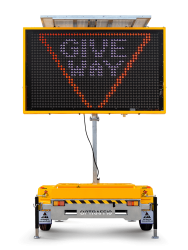
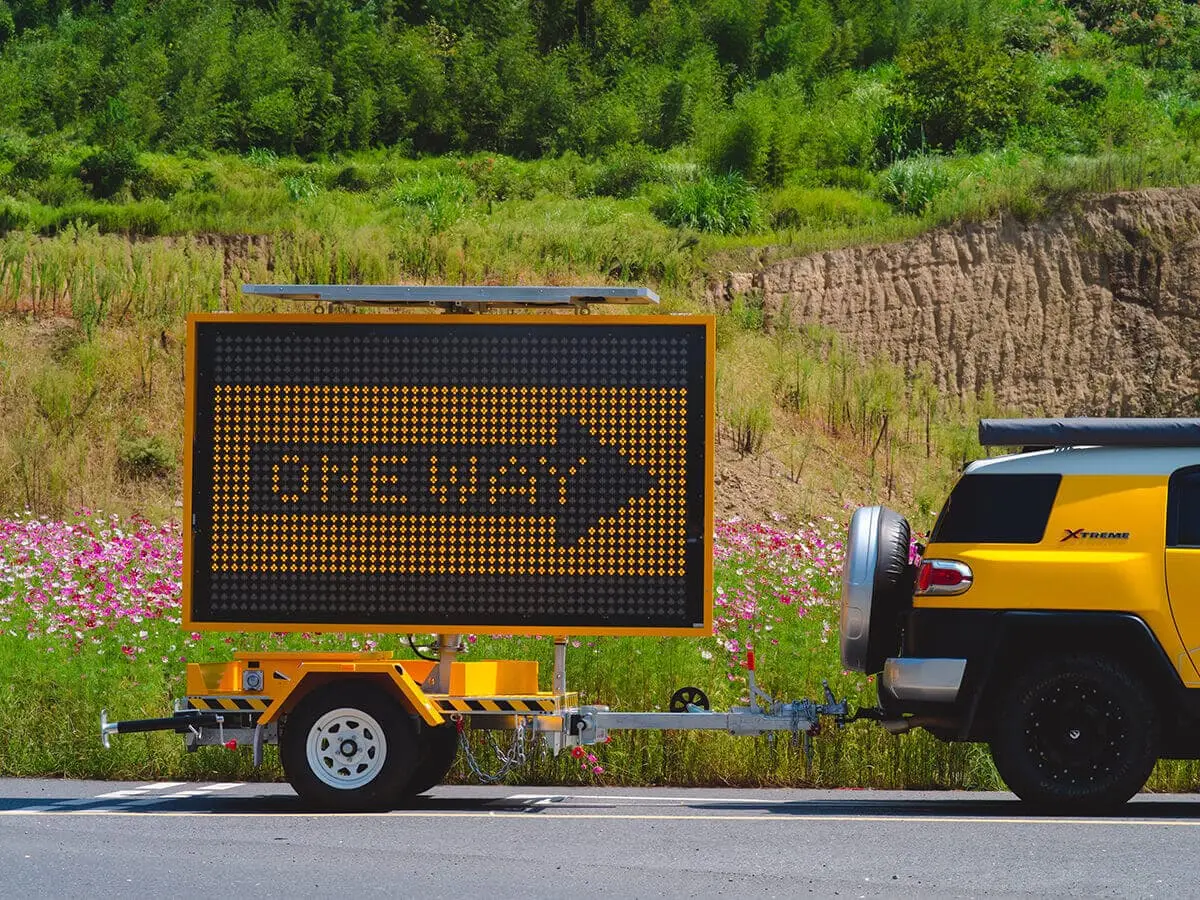
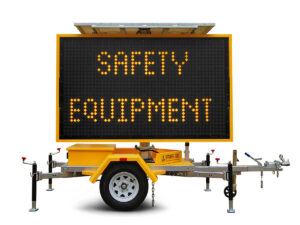
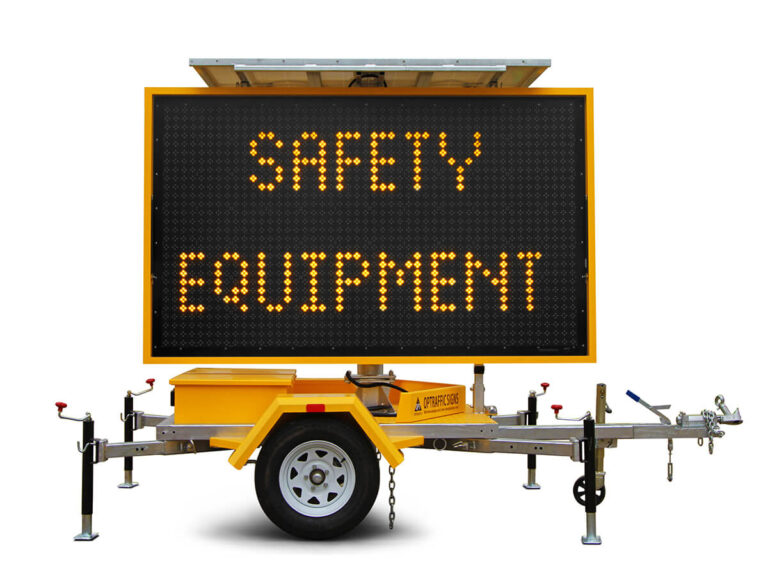
- Install portable changeable message boards: Deploy large, movable electronic devices along key roadways to alert drivers of accident-prone areas ahead. These signs can provide real-time updates about road conditions, construction zones, or recent accidents, helping drivers to stay informed and cautious.
Law Enforcement Efforts
- SB 434 (Min): Introduced to collect better data on harassment incidents on public transit, this bill mandates public outreach and surveys riders about their safety experiences. By enhancing reporting mechanisms, law enforcement can address safety concerns effectively.
- AB 361 (Ward): Authorizes the installation of forward-facing cameras on city-owned vehicles to monitor bicycle lane violations. This initiative expands the capacity to enforce regulations against cars blocking bike lanes, promoting safer cycling environments.



Lighting First or Recording First? CCTV-Ready Light Tower vs Camera Trailer for Integrators and Hire Fleets
CCTV-ready light tower vs camera trailer: compare whose camera runs, which load gets night power, and how hire fleets use one unit for two jobs.
VMS Trailers for Renewable Energy Zone Construction: Oversize Deliveries, Detours and Community Notice
How VMS trailers support renewable energy zone construction: oversize delivery warnings, detours, night moves and community notice on REZ routes.
Imported vs Australian-Built VMS Trailers: Where Each Has the Edge
Imported vs Australian-built VMS trailers: where each has a real advantage, what compliance requires of both, and how to choose for your fleet.
What Should a VMS Trailer Quote Include in Australia? Line Items to Compare Before You Sign
What should a VMS trailer quote include? Ten line items to compare, from delivery and registration to software fees, warranty and local spare parts.
When to Order VMS Trailers for Bushfire Season: A Region-by-Region Guide for Australian Hire Fleets
When to order VMS trailers for bushfire season: a region-by-region guide for hire fleets, with order-by months, stock top-ups and pre-season checks.
What Makes a VMS Trailer Mine-Spec? Site Entry Requirements for Western Australian Mine Sites
Mine-spec VMS trailer requirements under WA’s 2026 mine traffic code: visibility, ID, isolation, documents and how to order a unit that passes site entry.