


How Intelligent Scheduling for Mobile LED Boards Optimize Traffic Control

Intelligent scheduling revolutionizes traffic management. This technology optimizes the timing and placement of messages on LED boards. Mobile LED boards play a crucial role in traffic control. These boards provide real-time updates to drivers. Technology enhances traffic control by reducing congestion. Intelligent scheduling improves road safety and efficiency. The integration of advanced systems in traffic management offers significant benefits.
Introduction
Introduction to Intelligent Scheduling
Intelligent scheduling transforms traffic management. This technology uses algorithms to determine optimal message timing on LED boards. Traffic authorities rely on intelligent scheduling for efficient operations. Real-time data informs the scheduling process. Intelligent scheduling adapts to changing traffic conditions. The system prioritizes critical information delivery. Traffic flow improves with intelligent scheduling. Road safety benefits from timely alerts and updates.
Importance of Mobile LED Boards in Traffic Management
Mobile LED boards serve as essential tools in traffic management. Authorities deploy these boards for dynamic message dissemination. LED boards provide real-time traffic updates to drivers. The mobility feature allows strategic placement along roadways. Mobile LED boards enhance communication during emergencies. Traffic congestion reduces with effective message delivery. Road users receive important information promptly. Mobile LED boards contribute to safer travel environments.
Understanding Intelligent Scheduling Systems
The Conce pt of Intelligent Scheduling
Intelligent scheduling systems revolutionize traffic management. These systems utilize advanced algorithms to determine optimal message timing on LED boards. Traffic authorities implement intelligent scheduling to enhance operational efficiency. Real-time data plays a crucial role in informing the scheduling process. Intelligent scheduling systems adapt to fluctuating traffic conditions. The prioritization of critical information delivery remains a key feature. Improved traffic flow results from the implementation of intelligent scheduling systems. Road safety benefits significantly from timely alerts and updates.
Components of Intelligent Scheduling
Scheduling Framework
The scheduling framework forms the backbone of intelligent scheduling systems. This framework establishes the rules and protocols for message deployment. Traffic management authorities rely on the framework to ensure consistency. The framework supports the integration of real-time data. Efficient scheduling depends on a robust framework. The framework adapts to changes in traffic patterns. Authorities maintain control over message timing through the framework.
Database Integration
Database integration enhances the functionality of intelligent scheduling systems. Traffic data gets stored and accessed through integrated databases. Real-time data retrieval becomes possible with database integration. Authorities utilize databases to analyze traffic patterns. The integration ensures accurate and timely message delivery. Databases support the storage of historical traffic data. Intelligent scheduling systems benefit from comprehensive data analysis.
Triggers and Task Executors
Triggers and task executors play a vital role in intelligent scheduling systems. Triggers initiate actions based on predefined conditions. Task executors carry out the scheduled tasks efficiently. The system relies on triggers to respond to real-time traffic changes. Task executors ensure timely message deployment on LED boards. Authorities configure triggers to prioritize urgent messages. The coordination between triggers and task executors enhances system responsiveness.
Time Rules in Scheduling
First Time Unit and Second Time Unit
Time rules govern the scheduling process in intelligent systems. The first time unit defines the initial scheduling interval. Authorities set the first time unit based on traffic patterns. The second time unit adjusts the schedule according to real-time data. Flexibility in time units allows for dynamic scheduling. Traffic management benefits from adaptable time rules. Authorities optimize message delivery through precise time units.
Setting Time Intervals and Nodes
Setting time intervals and nodes is essential for effective scheduling. Authorities establish intervals to regulate message frequency. Nodes represent specific locations for message deployment. Time intervals ensure consistent message updates. Nodes facilitate strategic placement of mobile LED boards. Authorities adjust intervals based on traffic density. Effective scheduling requires careful consideration of intervals and nodes.
Execution Logic
Trigger Query and Execution
Execution logic in intelligent scheduling systems relies on trigger queries. Traffic management authorities design trigger queries to identify specific conditions. These conditions activate message deployment on mobile LED boards. Real-time data informs the trigger queries. The system evaluates traffic patterns and congestion levels. Trigger queries ensure timely and relevant information delivery. The execution process initiates once a trigger condition is met. Mobile LED boards display messages promptly to guide road users.
Handling Unexecuted Triggers
Handling unexecuted triggers is crucial for maintaining system efficiency. Traffic management systems monitor unexecuted triggers continuously. Authorities analyze reasons for unexecuted triggers. System adjustments follow to prevent future occurrences. The analysis includes evaluating data accuracy and system responsiveness. Authorities implement corrective measures to enhance trigger execution. Efficient handling of unexecuted triggers ensures consistent message delivery. Traffic management benefits from improved system reliability and performance.
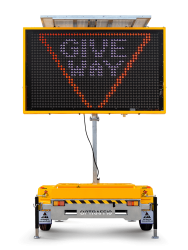
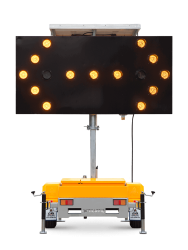
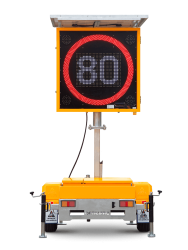
OPTraffic VMS boards have been already equipped this kind of intelligent scheduling system that can better manage traffic flow.

How Intelligent Scheduling Optimizes Mobile LED Boards
Dynamic Deployment Based on Real-Time Data
Intelligent scheduling systems utilize real-time data to optimize the deployment of mobile LED boards. Traffic management authorities analyze current traffic conditions to determine the most effective locations for LED boards. This approach ensures that drivers receive timely and relevant information. Real-time data allows for quick adjustments in deployment strategies. Authorities can respond to sudden changes in traffic flow or emergencies. Dynamic deployment enhances the overall efficiency of traffic management systems.
Efficient Content Management
Efficient content management is crucial for the effectiveness of mobile LED boards. Intelligent scheduling systems organize and prioritize messages based on urgency and relevance. Traffic authorities ensure that critical information reaches drivers promptly. The system categorizes messages to streamline content delivery. Authorities can update or change messages as needed. This flexibility allows for the dissemination of accurate and up-to-date information. Efficient content management contributes to improved road safety and reduced congestion.
Energy and Resource Optimization
Intelligent scheduling systems play a significant role in optimizing energy and resource usage for mobile LED boards. Traffic management authorities monitor energy consumption to minimize waste. The system schedules LED board operations during peak traffic hours. This strategy ensures maximum impact with minimal energy expenditure. Authorities also manage resources by deploying LED boards only when necessary. Resource optimization reduces operational costs and environmental impact. Efficient use of energy and resources supports sustainable traffic management practices.
Enhancing Traffic Flow and Safety
Intelligent scheduling systems significantly enhance traffic flow. Traffic management authorities strategically position LED boards to guide drivers. Real-time data informs the placement of LED boards. Authorities analyze traffic patterns to determine optimal locations. LED boards display crucial information to facilitate smooth traffic movement. Timely updates reduce congestion and prevent bottlenecks.
LED boards play a vital role in road safety. Authorities use LED boards to communicate important safety messages. Drivers receive alerts about road conditions and potential hazards. LED boards provide warnings about accidents or construction zones. Prompt information helps drivers make informed decisions. Road users benefit from increased awareness and reduced accident risks.
Traffic management systems prioritize emergency communication. LED boards deliver urgent messages during critical situations. Authorities ensure that emergency information reaches drivers quickly. LED boards alert drivers to evacuations or detours. Effective communication minimizes confusion and enhances public safety. LED boards contribute to a safer driving environment.
LED boards support efficient traffic control during peak hours. Authorities adjust message content based on traffic density. LED boards guide drivers through high-traffic areas. Dynamic messaging helps maintain steady traffic flow. Authorities monitor traffic conditions to update messages as needed. LED boards ensure consistent communication with road users.
LED boards enhance community engagement by promoting local events. Authorities use LED boards to inform drivers about upcoming activities. Community messages foster a sense of connection among residents. LED boards encourage participation in local initiatives. Authorities leverage LED boards to support community development. Increased awareness leads to higher event attendance and involvement.
Intelligent scheduling plays a pivotal role in optimizing traffic control. Traffic management systems benefit from enhanced efficiency and safety. The future holds promising prospects for technology in traffic management. Innovations will continue to transform urban mobility. Researchers should explore new methodologies and applications. Development in this field will drive advancements in transportation systems. The commitment to research and development will ensure sustainable and effective traffic solutions.
Facebook
Twitter
LinkedIn
Email
Newsletter
Subscribe to our Newsletter & Event right now to be updated.
Latest Posts





Latest Posts
Lighting First or Recording First? CCTV-Ready Light Tower vs Camera Trailer for Integrators and Hire Fleets
CCTV-ready light tower vs camera trailer: compare whose camera runs, which load gets night power, and how hire fleets use one unit for two jobs.
2026-10-09
VMS Trailers for Renewable Energy Zone Construction: Oversize Deliveries, Detours and Community Notice
How VMS trailers support renewable energy zone construction: oversize delivery warnings, detours, night moves and community notice on REZ routes.
2026-10-08
Imported vs Australian-Built VMS Trailers: Where Each Has the Edge
Imported vs Australian-built VMS trailers: where each has a real advantage, what compliance requires of both, and how to choose for your fleet.
2026-10-07
What Should a VMS Trailer Quote Include in Australia? Line Items to Compare Before You Sign
What should a VMS trailer quote include? Ten line items to compare, from delivery and registration to software fees, warranty and local spare parts.
2026-10-06
When to Order VMS Trailers for Bushfire Season: A Region-by-Region Guide for Australian Hire Fleets
When to order VMS trailers for bushfire season: a region-by-region guide for hire fleets, with order-by months, stock top-ups and pre-season checks.
2026-10-05
What Makes a VMS Trailer Mine-Spec? Site Entry Requirements for Western Australian Mine Sites
Mine-spec VMS trailer requirements under WA’s 2026 mine traffic code: visibility, ID, isolation, documents and how to order a unit that passes site entry.
2026-10-02