How to Light a Flood Rescue Scene at Night: Light Tower Placement for Swiftwater Operations
Flood Rescue Lighting
Light the water’s edge without fuel runs or generator noise
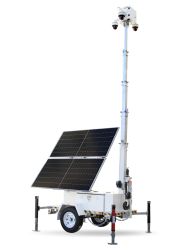
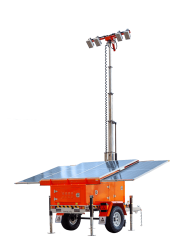
Solar light towers run over 35 hours per full charge, depending on configuration. Rotatable LED heads aim light across the water, and remote timers keep crews out of the scene.
Flood calls do not wait for daylight. Rescue teams then work beside fast, cold water with no street lights and no grid power. Vehicle headlights and handheld lights cover small patches and blind the people facing them. Knowing how to light a flood rescue scene at night keeps rescuers safe and victims visible. Agencies and hire fleets increasingly stage portable light towers for these callouts. The Optraffic team builds solar and hybrid light towers for night rescue and recovery work. This guide covers lighting zones, placement on high ground, glare on water and power for multi-night operations.
Key Takeaways
Solar light towers: Run without fuel deliveries into flooded areas, for over 35 hours per charge by configuration.
Quiet solar operation: Keeps generator noise away, so rescuers can hear calls for help and radio traffic.
Rotatable LED heads: Turn and tilt light away from the water surface and rescuers’ eyes.
Free remote control: Sets dusk-to-dawn timers from a web platform or smartphone app, without crews entering the scene.
Hybrid light towers: Add a diesel generator for long recovery phases when sunlight runs short.
Why Flood Rescue Scenes Need Their Own Lighting Plan
Short answer: Water reflects light, grid power fails, and the scene moves as water rises. A general worksite lighting plan does not cover these risks.
Flood rescue differs from other night scenes in four ways:
Reflective water: Light bounces off the surface and dazzles rescuers and boat crews.
No grid power: Floods often knock out street lights and power lines.
A moving edge: Rising water can swallow equipment placed too low.
Long operations: Search, rescue and recovery can stretch over several nights.
Storm preparation is already underway in California. A very strong El Niño is forecast this winter. On October 8, 2026, the state announced a new swiftwater rescue fleet for 13 local fire departments. Each team receives tow vehicles, rescue trailers and two motorized inflatable boats. Boats and rescuers need light on shore to work safely at night. Road crews face the same storms on flooded routes. See how message signs warn drivers during El Niño road closures in California.
Flood Rescue Lighting Zones
Short answer: Split the scene into zones, then give each zone the light level and aim it needs.
A single bright tower rarely suits a whole flood scene. Different areas need different light. US construction rules offer a useful benchmark. OSHA 29 CFR 1926.56 sets minimum lighting for construction work. It applies to many debris removal and recovery tasks after a flood. It lists 5 foot-candles for general construction areas and 3 for access ways. It lists 30 foot-candles for first aid stations.
Scene zone
Purpose
Light priority
Tower placement
Command post
Planning, radio, mapping
Even light for reading and maps
Beside the post, aimed down
Staging area
Vehicles, boats, equipment
Wide, even coverage
On high, firm ground near access
Boat launch point
Launch and recovery of boats
Bright, low-glare light on the ramp
Behind the launch, aimed toward land
Water edge and search area
Spotting people and hazards
Long throw across the water
High ground, angled across, not into, the water
Triage and first aid
Patient assessment
Brightest, most even light
Close by, with no shadows on the patient
Access routes
Safe movement of crews
Steady light on walkways
Along the route, away from the water
Lighting the Boat Launch Point
The launch point carries the most movement. Crews carry boats, attach lines and help victims ashore. Slips and trips cause injuries here. Light the ramp and the first metres of water evenly. Place the tower behind the launch, so light falls toward the water at a low angle. Keep the beam off the path boats take back to shore.
Lighting Triage and First Aid Areas
Medics need to see skin colour, wounds and small details. Shadows hide injuries. Use two light sources from different angles where possible. Keep triage away from the water edge and from vehicle traffic. Give it the brightest, most even light on the scene.
How Many Light Towers a Flood Rescue Scene Needs
Count zones, not acres. A small scene may need one tower for staging and one for the launch point. A large scene with triage and a long search edge may need four or more. Plan for one spare tower if the water moves. Review the plan each shift as the scene changes.
Short answer: Place every tower above the expected flood line, on firm ground, with a clear way out.
Light tower placement on high ground protects both the tower and the crew. A tower lost to rising water leaves a zone in darkness at the worst time. Follow these steps:
Ask the incident commander for the expected water rise.
Place towers well above that line, not at the current edge.
Choose firm, level ground that will not soften as it gets wet.
Keep towers out of vehicle paths and boat trailer routes.
Leave a clear route to tow or move each tower uphill.
Lower masts in high winds, following the maker’s limits.
Avoiding Common Placement Mistakes
Crews under pressure repeat the same errors. They park towers too close to the water, or point them straight at the search area. Review these common lighting tower placement mistakes before storm season.
Controlling Glare on Water at Night
Short answer: Light across the water from the side and from behind rescuers, never straight into their eyes.
Controlling glare on water matters more at flood scenes than almost anywhere else. Water acts like a mirror. A light aimed straight at it bounces back into the eyes of rescuers and boat crews. People in the water also become harder to see.
Use these aiming rules:
Aim down and across: Point heads at a low angle across the water, not into it.
Light from behind the crew: Rescuers should face away from the light source.
Avoid lighting boat crews’ faces: Keep beams off the boat’s path toward shore.
Tilt heads to cut spill: Rotatable, tiltable LED heads let crews adjust aim without moving the tower.
Check from the water: Ask a boat crew how the scene looks from their side.
Generators are loud. At a flood scene, noise hides calls for help and radio traffic. Solar light towers run without engine noise. Rescuers hear more, and command staff talk without shouting.
Powering Light Towers Through Multi-Night Rescue and Recovery
Short answer: Use solar towers where fuel is hard to deliver. Use hybrid towers for long recovery with little sun.
Rescue may last one night. Recovery often lasts several. Fuel delivery into a flooded area adds risk and cost. Powering light towers through multi-night rescue and recovery needs a clear choice between power types.
Factor
Solar light tower
Hybrid light tower
Fuel deliveries
None
Needed when the generator runs
Noise
Silent operation
Quiet on battery; generator noise when charging
Cloudy, stormy weeks
Depends on battery reserve
Generator tops up batteries
Best phase
Rescue nights and short recovery
Long recovery and debris work
Remote control
Dusk-to-dawn timers from an app
Same remote timer control
Check each model’s rated runtime per full charge. Some solar towers run over 35 hours, depending on configuration. Storm weeks can still drain batteries. Check charge levels each day of a long operation. For the trade-off in remote settings, compare solar light towers and diesel light plants over a 30-day runtime.
Remote Timers and Fewer Trips Into the Scene
Every trip to a tower is a trip near the water. Remote control cuts those trips. A web platform or smartphone app sets dusk-to-dawn timers for each tower. Crews then focus on rescue, not equipment.
Pre-Positioning Light Towers Before Storm Season
Short answer: Agree where towers will come from, and stage them before the first big storm.
Night floods leave no time to source equipment. Pre-positioning light towers before storm season turns a frantic search into a phone call. Use this checklist:
Agree supply terms with a hire fleet or keep agency-owned units.
Stage towers near flood-prone rivers and low crossings.
Charge batteries and test lights before the season.
Reliability counts most on the worst nights. Proven LED fixtures, sealed components and simple setup keep towers ready after months in storage.
Lighting the Recovery Phase After the Water Drops
Rescue ends, but the scene stays dark. Utility crews restore power lines and pumps. Debris teams clear roads and drains. Move towers from the water edge to these work fronts as the scene changes. For repair crews, read rapid response lighting for emergency utility repairs. Flood lighting sits within wider public safety equipment planning.
FAQ
How bright should a flood rescue scene be?
Brightness varies by zone. As a benchmark, OSHA 29 CFR 1926.56 sets 5 foot-candles for general construction areas. It sets 30 foot-candles for first aid stations. Triage areas need the brightest, most even light.
Where should light towers go at a flood rescue?
Place them on high, firm ground above the expected water rise. Aim them across the water from behind rescuers. Keep them out of vehicle and boat routes.
How do you reduce glare on floodwater?
Aim lights down and across the water, never straight into it. Light from behind the crew. Tilt the heads to cut spill toward boat crews.
Should light towers run all night at a flood scene?
Yes, while crews work near the water. Use timers to switch towers on at dusk. Keep triage and launch lights on until the last crew leaves the water.
Are solar light towers suitable for flood rescue?
Yes, for most rescue nights. They run without fuel deliveries and without generator noise. For long recovery phases with little sun, hybrid towers add backup power.
Conclusion
Knowing how to light a flood rescue scene at night comes down to four things. Plan zones, use high ground, control glare and keep power steady. Plan these before the storm, not during it. Optraffic supplies solar and hybrid light towers with rotatable LED heads and free remote timer control. Agencies and hire fleets can contact the Optraffic team to stage towers before the next flood season.