



Parking brakes play a critical role in ensuring the safety and stability of sign trailers during stationary operations. Improper or inadequate parking brakes increase the risk of unintended movement, especially on uneven terrains or slopes. Such incidents compromise both safety and equipment functionality. Parking brakes also maintain the operational reliability of sign trailers by preventing unnecessary strain on other mechanical components. Regular use and proper maintenance of parking brakes enhance their effectiveness, reducing the likelihood of corrosion and system failure.
Understanding Parking Brakes and Their Role in Sign Trailers
What Are Parking Brakes?
Definition and Primary Function
Parking brakes are mechanical systems designed to secure vehicles or trailers in a stationary position. These brakes prevent unintended movement by locking the wheels through mechanical force. In the context of sign trailers, parking brakes ensure stability during operations, especially when the trailer remains stationary for extended periods. The system operates independently from service brakes, providing an additional layer of safety.
Types of Parking Brakes Commonly Used
Parking brakes come in various types, each suited for specific applications.
Manual Parking Brakes: Operated using a lever or handle, manual brakes rely on physical force to engage or disengage the system.
Electric Parking Brakes: These brakes use electronic controls to activate the braking mechanism, offering convenience and precision.
Hydraulic Parking Brakes: Hydraulic systems utilize fluid pressure to lock the wheels, making them ideal for heavy-duty applications like sign trailers.
Each type has unique features that cater to different operational needs, ensuring flexibility in choosing the right system for sign trailers.
Why Are Parking Brakes Crucial for Sign Trailers?
Safety Considerations for Stationary Positioning
Safety is a primary concern when operating sign trailers. Parking brakes provide a reliable solution to keep trailers securely in place. This feature is essential during loading, unloading, or when trailers are stationed on busy roads. A properly engaged parking brake minimizes the risk of accidents caused by unexpected movements.
Preventing Unintended Movement in Various Terrains
Sign trailers often operate on uneven surfaces or sloped terrains. Parking brakes prevent unintended rolling or shifting by locking the wheels firmly. This capability ensures that trailers remain stable, even under challenging environmental conditions. The use of parking brakes also reduces wear on other components, enhancing the overall longevity of the trailer.
Key Features to Look for in Parking Brakes
Durability and Material Quality
Durability is a critical factor when selecting parking brakes for sign trailers. High-quality materials, such as corrosion-resistant metals, ensure long-lasting performance. Components like levers, cables, and clamps must withstand repeated use without compromising functionality. Reliable materials reduce maintenance requirements and enhance safety.
Compatibility with Sign Trailer Design and Weight
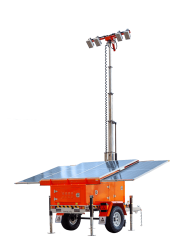
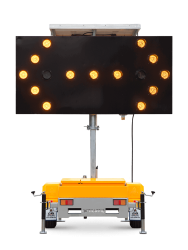
The design and weight of sign trailers influence the choice of parking brakes. Brakes must match the trailer’s specifications to provide optimal performance. For lightweight trailers, manual or electric brakes may suffice. Heavy-duty trailers, such as those used for light tower trailers or arrow board trailers, often require hydraulic systems to handle the increased load. Compatibility ensures that the braking system functions effectively under all conditions.
Types of Parking Brakes for Sign Trailers
Manual Parking Brakes
How they work
Manual parking brakes operate through a mechanical lever system. A lever or handle engages the brake cables, which apply force to the wheels. This force locks the wheels in place and prevents movement. The system relies on physical effort to activate and deactivate the brakes. Manual parking brakes are commonly used for smaller sign trailers due to their simplicity and effectiveness.
Pros and cons of manual systems
Manual systems offer several advantages. The design is straightforward, which makes installation and maintenance easy. The cost of manual parking brakes is often lower compared to other systems. The operation does not depend on external power sources, ensuring reliability in remote locations.
However, manual brakes have limitations. The effectiveness depends on the physical strength applied during engagement. Larger or heavier sign trailers may require more force than the system can handle. Manual systems may also wear out faster with frequent use, especially under heavy loads.
Electric Parking Brakes
Mechanism and functionality
Electric parking brakes use electronic controls to engage the braking mechanism. A button or switch activates the system, sending an electrical signal to the brake actuator. The actuator applies force to the wheels, locking them securely. Electric parking brakes provide precision and ease of use, making them suitable for modern sign trailers.
Advantages and limitations
Electric systems offer significant benefits. The operation is user-friendly, requiring minimal effort. The precision of electronic controls ensures consistent performance. Electric parking brakes integrate well with advanced trailer systems, enhancing overall functionality. These features make electric brakes ideal for applications like message board trailers.
Despite the advantages, electric brakes have drawbacks. The reliance on electrical components makes the system vulnerable to power failures. Maintenance costs may increase due to the complexity of electronic parts. Harsh environmental conditions, such as extreme heat or moisture, can affect performance over time.
Hydraulic Parking Brakes
Overview of hydraulic systems
Hydraulic parking brakes use fluid pressure to lock the wheels. A hydraulic pump generates pressure, which activates the braking mechanism. The system provides powerful and consistent braking force. Hydraulic brakes are designed for heavy-duty applications, including light tower trailers and arrow board trailers.
Suitability for heavy-duty sign trailers
Hydraulic systems excel in handling the demands of heavy-duty sign trailers. The high braking force ensures stability, even for trailers with substantial weight. The durability of hydraulic components reduces wear and tear, extending the lifespan of the system. Hydraulic brakes perform reliably on uneven terrains and in challenging conditions.
However, hydraulic brakes require regular maintenance to ensure optimal performance. The system may involve higher initial costs compared to manual or electric options. Proper installation and periodic inspections are essential to prevent fluid leaks and maintain efficiency.
Factors to Consider When Choosing Parking Brakes for Sign Trailers

Weight and Size of the Sign Trailer
Impact of Trailer Weight on Brake Performance
The weight of sign trailers directly affects parking brake performance. Heavier trailers require brakes with higher holding capacity to ensure stability. Insufficient braking force can lead to unintended movement, especially during loading or unloading. Hydraulic parking brakes often perform better for heavy-duty applications due to their ability to generate consistent pressure.
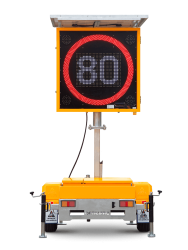
Lighter trailers, such as those used for message board trailer setups, may rely on manual or electric brakes. These systems provide adequate force without overcomplicating the design. Selecting a brake system that matches the trailer’s weight ensures reliable operation and reduces wear on the braking components.
Matching Brake Capacity to Trailer Specifications
Matching brake capacity to the specifications of sign trailers is essential for safety. Each trailer design has unique requirements based on its size, weight, and intended use. For example, light tower trailers often demand hydraulic systems due to their substantial weight and frequent use in challenging conditions. Electric brakes may suit smaller trailers with less demanding operational needs.
Ignoring compatibility between the brake system and trailer specifications can compromise stability. Properly matched brakes enhance performance and reduce maintenance needs. This alignment also prevents premature wear of critical components, ensuring long-term reliability.
Terrain and Environmental Conditions
Challenges of Uneven or Sloped Surfaces
Sign trailers frequently operate on uneven or sloped surfaces. These terrains pose risks of unintended movement if parking brakes fail to hold securely. Hydraulic brakes excel in such conditions due to their ability to generate strong and consistent force. Manual systems may struggle to provide sufficient holding power on steep inclines.
Electric brakes offer precision in locking wheels, making them suitable for moderately uneven terrains. However, reliance on electrical components may reduce effectiveness in extreme environments. Selecting a braking system capable of handling specific terrain challenges ensures safety and stability during operations.
Weather Resistance and Durability
Weather conditions significantly impact the durability of parking brakes. Exposure to moisture, heat, or cold can cause corrosion or reduced functionality. High-quality materials, such as corrosion-resistant metals, improve the longevity of braking systems. Hydraulic brakes often feature sealed components, providing better resistance to harsh weather.
Manual and electric brakes may require additional protective measures to maintain performance in adverse conditions. Regular inspections and maintenance help identify potential issues caused by environmental factors. Durable brakes ensure consistent performance, even in challenging weather, enhancing the reliability of sign trailers.
Ease of Installation and Maintenance

Installation Requirements for Different Brake Types
Installation complexity varies among different types of parking brakes. Manual brakes typically involve straightforward mechanical setups, making them easier to install. Electric brakes require integration with electronic systems, which may increase installation time and cost. Hydraulic systems demand precise alignment and fluid connections, requiring professional expertise.
Proper installation ensures optimal performance and reduces the risk of malfunctions. Following manufacturer guidelines during installation enhances the safety and reliability of sign trailers. Investing in professional installation services for complex systems, such as hydraulic brakes, minimizes errors and ensures long-term efficiency.
Maintenance Frequency and Cost Considerations
Maintenance plays a crucial role in the performance of parking brakes. Manual systems often require frequent adjustments due to wear on cables and levers. Electric brakes may involve higher costs for replacing electronic components. Hydraulic systems demand regular checks for fluid levels and potential leaks.
Neglecting maintenance can lead to brake failure, increasing the risk of accidents. Routine inspections prevent issues caused by wear or environmental factors. Investing in high-quality materials reduces maintenance frequency, lowering overall costs. Well-maintained brakes ensure the safety and functionality of sign trailers during prolonged use.
Budget and Cost-Effectiveness
Balancing Quality with Affordability
Parking brakes for sign trailers require careful consideration of quality and cost. High-quality materials like corrosion-resistant metals ensure durability, reducing the need for frequent replacements. Systems with robust components, such as hydraulic brakes, provide reliable performance under heavy loads. Investing in durable materials minimizes long-term expenses caused by wear or failure.
Affordable options like manual parking brakes suit lightweight trailers, including message board trailers. These systems offer simplicity and lower initial costs. Electric parking brakes provide a balance between affordability and advanced functionality. For moderate budgets, electric systems deliver precision and ease of use without compromising safety.
Hydraulic brakes often involve higher upfront costs due to their complex design. However, these systems excel in heavy-duty applications, such as light tower trailers or arrow board trailers. The ability to handle substantial weight justifies the investment for trailers requiring maximum stability. Selecting brakes based on operational needs ensures cost-effectiveness without sacrificing safety.
Long-Term Cost Implications of Different Brake Types
The long-term costs of parking brakes depend on maintenance, durability, and compatibility. Manual brakes require frequent adjustments, increasing maintenance expenses over time. Wear on cables and levers may lead to additional costs for replacements. For lightweight sign trailers, the simplicity of manual systems offsets these recurring expenses.
Electric parking brakes involve higher initial costs but reduce long-term maintenance needs. Electronic components provide consistent performance, minimizing wear. However, repairs for electrical malfunctions can increase expenses. Regular inspections prevent costly failures, ensuring reliability for trailers operating in diverse conditions.
Hydraulic brakes demand regular checks for fluid levels and potential leaks. The durability of hydraulic systems reduces wear, lowering maintenance frequency. For heavy-duty sign trailers, the longevity of hydraulic brakes offsets the initial investment. Proper installation and periodic servicing ensure optimal performance, preventing expensive repairs.
Cost-effective decisions depend on matching brake types to trailer specifications. Investing in high-quality systems reduces risks of unintended movement, enhancing safety. Reliable brakes improve operational efficiency, minimizing expenses caused by accidents or equipment damage.
How to Properly Maintain and Test Parking Brakes
Regular Maintenance Tips for Parking Brakes to Ensure Long-Lasting Performance
Parking brakes require consistent maintenance to ensure reliable operation. Cleaning brake components regularly removes dirt and debris that can hinder performance. Lubricating moving parts, such as levers and cables, prevents wear and ensures smooth functionality. Inspecting the brake system for signs of corrosion or damage helps identify potential issues early.
Replacing worn-out components, including brake pads or cables, maintains optimal braking efficiency. Hydraulic parking brakes demand periodic checks of fluid levels to prevent leaks and maintain pressure. Electric systems benefit from testing electronic connections to avoid malfunctions. High-quality materials in parking brakes reduce maintenance frequency, enhancing durability for sign trailers.
Steps for Testing Parking Brakes to Guarantee They Hold the Trailer in Place Securely
Testing parking brakes involves a systematic approach to verify their effectiveness. Engaging the brake system fully ensures the wheels lock securely. Applying force to the trailer confirms the brakes prevent movement. Testing on various surfaces, including slopes, evaluates the system’s ability to hold under different conditions.
Hydraulic systems require monitoring of fluid pressure during testing to ensure consistent force. Electric brakes benefit from verifying the responsiveness of electronic controls. Manual systems rely on assessing the tension in cables and levers. Regular testing prevents potential failures, ensuring safety for sign trailers during stationary operations.
Importance of Regular Inspections, Especially Before Setting Up Sign Trailers in Active Work Zones
Regular inspections of parking brakes enhance safety and reliability in active work zones. Examining brake components before deployment ensures the system functions effectively. Identifying wear or damage early reduces the risk of accidents caused by brake failure. Frequent inspections maintain the stability of sign trailers during prolonged use.
Work zones often involve uneven terrains or heavy loads, increasing the strain on parking brakes. Hydraulic systems excel in such conditions due to their durability and consistent performance. Electric brakes require checks of electronic components to ensure functionality. Manual systems benefit from inspecting cables and levers for signs of wear. Reliable brakes improve safety and operational efficiency for sign trailers in demanding environments.
Common Mistakes to Avoid When Selecting Parking Brakes
Overlooking Compatibility Issues
Ensuring Brakes Fit the Sign Trailer’s Design
Parking brakes must align with the structural design of sign trailers. Mismatched systems can lead to improper functioning, reducing safety and stability. Each trailer has unique specifications, including weight and axle configuration. Selecting brakes that fail to meet these specifications can compromise performance. Hydraulic brakes often suit heavy-duty models like light tower trailers, while manual or electric systems may work better for smaller setups. Proper evaluation of the trailer’s design ensures effective braking.
Avoiding Mismatched Systems
Mismatched parking brake systems create operational inefficiencies. For example, using a manual system on a heavy-duty trailer may result in insufficient holding power. Similarly, installing hydraulic brakes on lightweight trailers can lead to unnecessary complexity and cost. Compatibility between the brake system and the trailer’s operational needs prevents accidents and extends the lifespan of the equipment. Regular consultation with experts helps avoid mismatched systems.
Ignoring Maintenance Requirements
Consequences of Neglecting Regular Upkeep
Neglecting maintenance leads to brake failures and safety risks. Parking brakes exposed to harsh conditions can corrode without proper care. Corroded components reduce braking efficiency, especially during emergencies. Lack of maintenance also increases wear on cables, levers, and other parts. Frequent inspections prevent issues like brake fade, which occurs when brakes lose effectiveness due to overheating or misalignment. Regular upkeep ensures the safety of sign trailers during stationary operations.
Tips for Maintaining Brake Efficiency
Consistent maintenance practices enhance the performance of parking brakes. Cleaning brake components removes dirt and debris that hinder functionality. Lubricating moving parts reduces wear and ensures smooth operation. Hydraulic systems require periodic checks for fluid levels to prevent leaks. Electric brakes benefit from testing electronic connections to maintain reliability. Manual systems demand frequent adjustments to keep cables and levers in optimal condition. Maintenance schedules tailored to specific brake types improve efficiency and safety.
Choosing Based Solely on Price
Risks of Opting for the Cheapest Option
Choosing low-cost parking brakes often compromises quality and durability. Inexpensive materials may corrode quickly, leading to frequent replacements. Poor-quality systems fail to provide adequate holding power, especially for heavy-duty sign trailers like arrow board trailers. Safety risks increase when brakes malfunction due to inferior construction. Investing in reliable systems reduces long-term expenses caused by accidents or equipment damage.
Importance of Prioritizing Safety and Quality
Prioritizing safety and quality ensures the longevity of parking brakes. High-quality materials, such as corrosion-resistant metals, withstand harsh conditions and repeated use. Durable systems reduce maintenance frequency and enhance operational reliability. Hydraulic brakes provide consistent performance for heavy-duty applications, while electric systems offer precision for modern trailers. Balancing cost with quality prevents unnecessary risks and ensures the stability of sign trailers in various environments.
Selecting the correct parking brakes for sign trailers ensures operational safety and stability. Proper evaluation of trailer weight, terrain conditions, and brake compatibility prevents unintended movement and equipment failures. Regular maintenance and testing enhance braking performance and extend system lifespan. High-quality materials and reliable designs reduce risks associated with environmental factors or mechanical wear. Informed decisions about parking brakes improve the functionality of sign trailers in diverse conditions. Prioritizing safety and durability safeguards operations and minimizes potential hazards.
Your Reliable Traffic Safety Equipment Partner
One-Stop Solution for Traffic Safety Equipment, since 2008, at OPTRAFFIC, we are more than just a manufacturer, we are your all-in-one for traffic safety solutions. We focus on innovation through our dedicated R&D team and uphold strict quality controls to ensure the durability and reliability of our products. Our equipment has been used in major global events, including the Beijing and London Olympic Games, and projects like the Sydney New Airport.
To serve our international customers effectively, we have established a network of local distributors in countries such as Canada, New Zealand, Australia, Ireland, and the Netherlands, ensuring prompt and efficient service worldwide.




Lighting First or Recording First? CCTV-Ready Light Tower vs Camera Trailer for Integrators and Hire Fleets
CCTV-ready light tower vs camera trailer: compare whose camera runs, which load gets night power, and how hire fleets use one unit for two jobs.
VMS Trailers for Renewable Energy Zone Construction: Oversize Deliveries, Detours and Community Notice
How VMS trailers support renewable energy zone construction: oversize delivery warnings, detours, night moves and community notice on REZ routes.
Imported vs Australian-Built VMS Trailers: Where Each Has the Edge
Imported vs Australian-built VMS trailers: where each has a real advantage, what compliance requires of both, and how to choose for your fleet.
What Should a VMS Trailer Quote Include in Australia? Line Items to Compare Before You Sign
What should a VMS trailer quote include? Ten line items to compare, from delivery and registration to software fees, warranty and local spare parts.
When to Order VMS Trailers for Bushfire Season: A Region-by-Region Guide for Australian Hire Fleets
When to order VMS trailers for bushfire season: a region-by-region guide for hire fleets, with order-by months, stock top-ups and pre-season checks.
What Makes a VMS Trailer Mine-Spec? Site Entry Requirements for Western Australian Mine Sites
Mine-spec VMS trailer requirements under WA’s 2026 mine traffic code: visibility, ID, isolation, documents and how to order a unit that passes site entry.