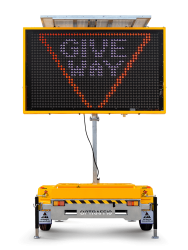
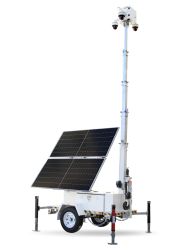
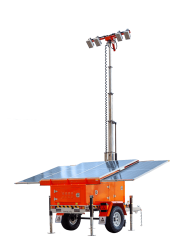
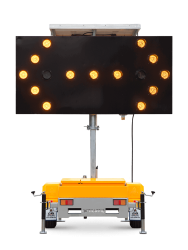



Integrators and hire fleets face the same question on many night jobs. Does the site need light with a camera, or a camera with optional light? The CCTV-ready light tower vs camera trailer choice turns on that difference. A CCTV-ready light tower lights the work area and accepts a camera the buyer chooses. A camera trailer records first and treats lighting as secondary. For lighting-first jobs, the Optraffic team manufactures solar light towers with optional camera packages. This guide compares four factors buyers rarely see side by side.
Key Takeaways
- Optional factory camera package: Supplies a camera-included tower when the end client runs no camera system.
- Solar-battery power system: Runs floodlights and a camera overnight without refuelling visits.
- LED floodlight modules: Keep maintenance low across long hire cycles, helping fleets keep units on rent.
- In-house manufacturing: Builds tower, mast and power system together, removing third-party integration markups.
CCTV-Ready Light Tower vs Camera Trailer: The Short Answer
Choose a CCTV-ready light tower when lighting is the main job and one camera adds deterrence. Choose a camera trailer when recording is the main job and the site needs several views. A camera-ready light tower ships prepared for a camera, without one fitted. For a full definition, see what a CCTV surveillance light tower is.
| Factor | CCTV-ready light tower | Camera trailer |
|---|---|---|
| Main job | Site lighting; camera adds deterrence | Recording and monitoring |
| Who supplies the camera | Buyer, integrator or optional factory package | Trailer supplier, as part of the unit |
| Night power priority | Floodlights first, camera alongside | Cameras and recording first |
| Hire use | One unit serves lighting-only and lighting-plus-security jobs | Serves security jobs |
| Light-camera interference | Must be managed on one mast | Rarely an issue; lighting is minimal or absent |
Whose Camera? Light Tower or Camera Trailer for Site Security
The first factor is ownership of the camera, not the hardware itself. Many integrators run one camera brand and one video management platform across every client. A camera trailer usually arrives with its own cameras and software. That leaves the integrator with a second system to support.
A CCTV-ready light tower avoids that split. The integrator fits a camera from its standard range. Footage flows into the platform the client already uses. Support, firmware updates and user accounts stay in one place.
The trade-off sits with responsibility. When the integrator fits the camera, the integrator owns camera setup and compatibility. Ask the tower supplier three questions first:
- Does the camera supply point match your camera’s power needs?
- Is there a fixed mounting position, and what load does it accept?
- How will footage leave the site: tower router or your own?
Adding a security camera to a light tower also changes who acts as data controller. In the UK, that party needs signage, retention rules and an access-request route. The UK mobile CCTV data protection checklist covers each duty.
Night Power Priority: Lights or Recording?
Floodlights and cameras draw from the same battery after dark. On a long winter night, both loads compete. The CCTV-ready light tower vs camera trailer choice decides which load wins.
Timing matters here. TrueLook’s 2026 State of Construction Site Security Report counted 2,639 confirmed break-ins at active US sites in 2025. That figure rose 50% on 2024. The report placed the highest-risk window between 11 p.m. and 3 a.m., according to NRCA. Recording must therefore last until dawn, not just the early evening.
A camera trailer protects that window by design. Its power system serves cameras and recording first. A CCTV-ready light tower serves floodlights first, with the camera alongside. Ask the supplier how the tower manages both loads when charge runs low. Lighting-first works well when night crews need light and theft risk is moderate. Recording-first fits unmanned sites where footage is the whole point.
For the arithmetic behind camera loads, read how camera load determines solar runtime. For low-sun months, compare solar hybrid and pure solar towers.
One Unit, Two Hire Uses: Fleet Utilisation
Hire fleets earn money only while units are on rent. A lighting-only tower sits idle between night-works contracts. A security-only trailer sits idle when clients need light instead.
A camera-ready light tower narrows both gaps. The fleet sends it out as lighting on one job. It returns, takes a camera, and goes out as lighting plus security. The fleet holds one asset type for two rental lines.
This model suits fleets that serve construction projects, where both needs often appear on one site. It suits less well where clients demand multi-camera coverage with alarm response. Those jobs still call for a dedicated camera trailer.
Three questions help fleets decide on the mix:
- What share of lighting jobs also ask for a camera?
- Do security clients need one view or several?
- Who fits and removes cameras between hires: the fleet or the integrator?
Light-Camera Interference on One Mast
A CCTV-ready light tower carries lights and camera on the same mast. Their positions interact in ways a camera trailer rarely faces.
Two problems appear most often:
- Glare. Floodlights aimed toward the lens wash out faces and number plates.
- Silhouettes. Strong light behind a target hides detail on the side facing the camera.
Three placement rules reduce both:
- Aim floodlights away from the camera’s field of view.
- Keep the lit zone in front of the camera, not behind the target.
- Point the camera into the brightest area, where detail is strongest.
A camera trailer avoids most of this because lighting plays a minor role. That is one reason recording-first sites still favour camera trailers.
Factors Already Covered in Other Guides
Several comparison factors apply to both options and have their own guides:
- Unit size and redeployment: see surveillance trailer vs compact camera tower.
- Relocation cost: see the real cost of relocating a surveillance tower.
- Camera coverage distance: see how far a security camera trailer can see.
- Light tower size and fleet mix: see choosing between compact and large towers.
- Solar basics: see what a solar light tower is.
When to Choose a Camera Trailer: Decision Table
| Site situation | Better fit | Deciding factor |
|---|---|---|
| Night works needing light, with moderate theft risk | CCTV-ready light tower | Lighting is the main job |
| Integrator with one standard camera platform | CCTV-ready light tower | Keeps one system across clients |
| Hire fleet with mixed lighting and security demand | CCTV-ready light tower | One asset serves two rental lines |
| Unmanned site, high theft risk, several blind spots | Camera trailer | Needs multiple views all night |
| Monitored site with alarm response | Camera trailer | Recording and alerts come first |
| Short event or emergency callout | Either | Decide whether the area also needs light |
FAQ
Is a CCTV-ready light tower the same as a camera trailer?
No. A CCTV-ready light tower lights the site first and accepts a camera. A camera trailer records first, with lighting minimal or absent.
Does a camera-ready light tower come with a camera?
Usually not. A camera-ready light tower ships prepared for one. Many suppliers also offer an optional factory camera package.
Should I use a light tower or camera trailer for site security?
Use a light tower when crews need light and one camera is enough. For light tower or camera trailer for site security decisions on unmanned sites, a camera trailer fits better.
Does adding a security camera to a light tower reduce lighting time?
It can. Adding a security camera to a light tower adds a constant overnight load. Ask the supplier how both loads share the battery at low charge.
When to choose a camera trailer over a light tower?
Choose a camera trailer when footage matters more than light. When to choose a camera trailer usually comes down to theft risk, view count and monitoring needs.
Conclusion
The CCTV-ready light tower vs camera trailer decision is a question of priority. Lighting-first sites, integrators with one camera standard and mixed hire fleets suit a CCTV-ready light tower. Recording-first sites with high theft risk suit a camera trailer.
The Optraffic team manufactures both product lines, from mast and solar power system to LED floodlights. That lets buyers match the unit to the job without mixing suppliers or paying third-party integration markups. Planning to fit your own cameras, or need a specific camera setup? Talk to the Optraffic sales team about your site, camera platform and hire model.


What to Check Before Buying 500 Portable Changeable Message Signs: 7 Batch Delivery Checks for Rental Fleets
What to check before buying 500 portable changeable message signs: one build across batches, spares, DDP delivery and per-shipment tests.
How to Plan Message Signs for Weekend Highway Closures: Lessons from Atlanta’s I-285 Westside Closures
How to plan message signs for weekend highway closures: 5 steps, a 48-hour checklist and fleet control lessons from Atlanta’s I-285 closures.
Does EN 12966 Apply to LED Modules? What the Standard Covers and What a Datasheet Cannot Prove
Does EN 12966 apply to LED modules? See what the standard covers, what a module datasheet proves and 5 questions to ask a supplier.
Build vs Buy a Vehicle-Mounted Message Sign: What Fleets and Integrators Should Check
Build vs buy a vehicle-mounted message sign? Compare compliance, controls, mounting and support before you choose.
Work Zone Speed Feedback Trailer Placement: Where to Set It Up and When to Move It
Work zone speed feedback trailer placement explained: where DOT rules and research say to set the trailer, when to move it and what fleets must log.
WZDx Device Feed Requirements: What Work Zone Contractors and Hire Fleets Must Supply
WZDx device feed requirements explained for contractors and hire fleets: what the feed holds, what DOT specs ask for and how to prepare equipment.